How to Pay Off Credit Card Debt: A Working Plan Based on What You Can Actually Afford

How To Pay Off Credit Card Debt

The math of credit card debt is unforgiving. Paying only the minimum on a high interest account can trap you in a repayment cycle lasting 15 to 20 years. A successful payoff strategy depends entirely on your financial reality. You must match your plan to your budget surplus and your current credit score. If your … Read more

Can Your Employer Fire You for Wage Garnishment? The One-Debt Rule

Can Employer Fire You For Wage Garnishment

Federal law protects your job if your wages are garnished for a single debt, regardless of how many times a creditor attempts to levy that specific debt. This protection disappears the moment your employer receives a garnishment order for a second, separate debt. The law protects you from being fired, but courts have also ruled … Read more

Debt Collection Lawsuit Court Hearing: What Actually Happens and How to Prepare

Debt Collection Lawsuit Court Hearing

Most debt collection hearings take place in small claims or justice courts, which are informal settings designed for people representing themselves, not formal jury trials. The collector’s attorney will likely approach you in the hallway before seeing the judge to push for a settlement. You do not have to accept their first offer. Debt buyer … Read more

How Many Times Can a Debt Collector Call You? The 7-in-7 Rule Explained

How Many Times Can Debt Collectors Call

Federal law presumes a debt collector is violating the rules if they call you more than seven times in a seven-day period about the same debt. Once you have an actual conversation with a collector about the debt, they are prohibited from calling you again about that specific account for seven days. The number seven … Read more

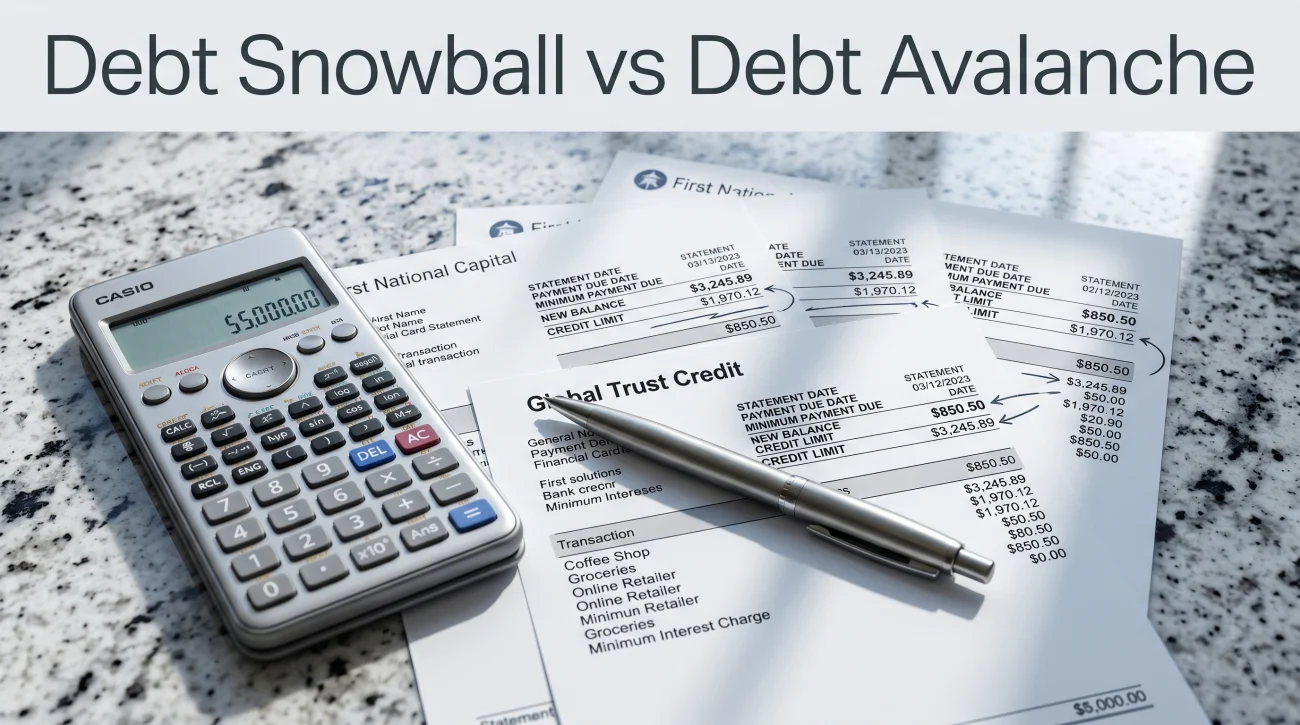
Debt Snowball vs Debt Avalanche: Which Pays Off Debt Faster – and Which One You’ll Actually Finish

Debt Snowball Vs Avalanche

The math says you should use the debt avalanche method. Behavioral research proves you are much more likely to complete the debt snowball method. The best strategy is whichever one you will actually finish. The debt avalanche minimizes total interest by targeting your highest-rate accounts first, but progress can feel painfully slow on large balances. … Read more

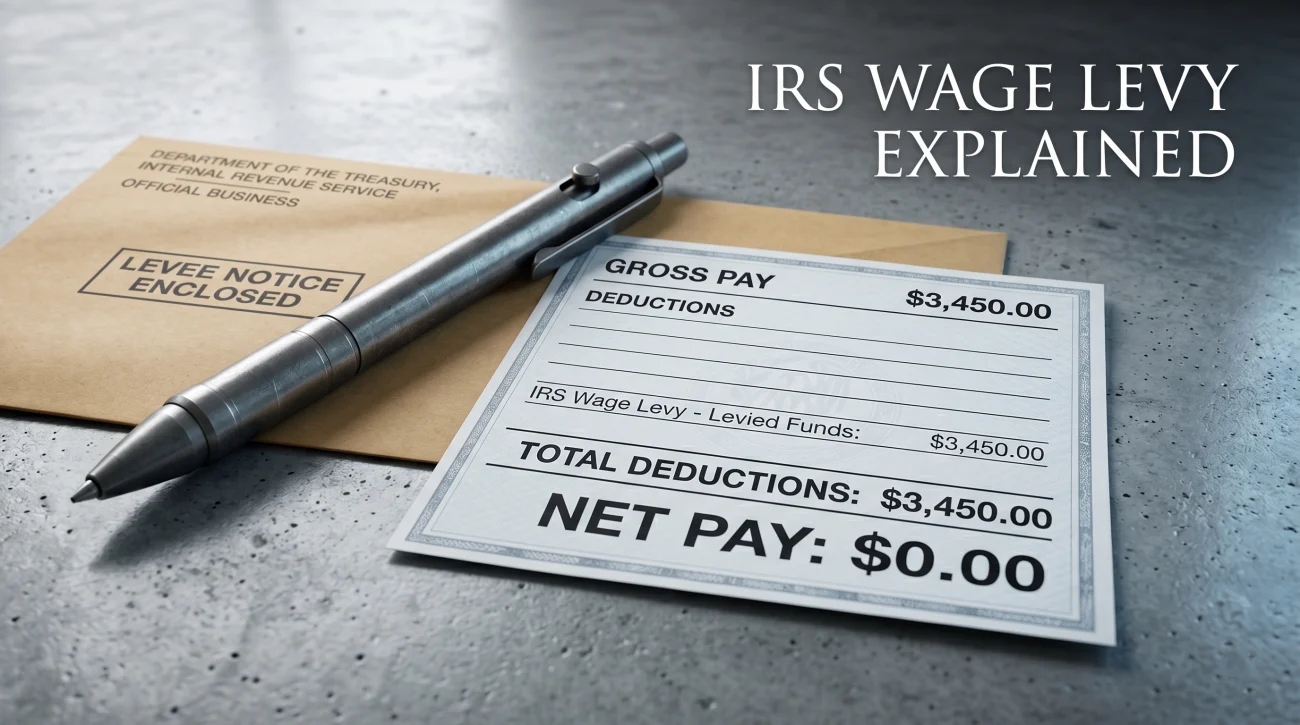
IRS Wage Levy: Why It’s Different and How the IRS Can Take Almost Everything

Irs Wage Levy

An IRS wage levy does not require a court order or a lawsuit. The agency can order your employer to withhold wages administratively without ever taking you to a judge. Unlike consumer debt collection, the IRS is not bound by the 25 percent garnishment cap. They use a fixed exemption table that can legally take … Read more

Improper Service in a Debt Collection Lawsuit: When ‘Sewer Service’ Is Why You Never Got the Papers

Improper Service Debt Collection Lawsuit

Learning about a debt collection lawsuit for the first time through a frozen bank account or a wage garnishment often means you were a victim of “sewer service” or improper delivery of court papers. Process servers sometimes falsely certify that they delivered lawsuit papers when they actually dumped them or delivered them to an incorrect … Read more

Debt Collectors and Social Media: What They’re Allowed to Do (And What They’re Not)

Can Debt Collectors Contact You On Social Media

Since a major federal rule update in 2021, debt collectors are legally allowed to contact you through private direct messages on social media platforms like Facebook and Instagram. Legitimate collectors must clearly identify themselves upfront. If an account asks for payment via gift cards or peer-to-peer apps, or threatens you with arrest via a direct … Read more

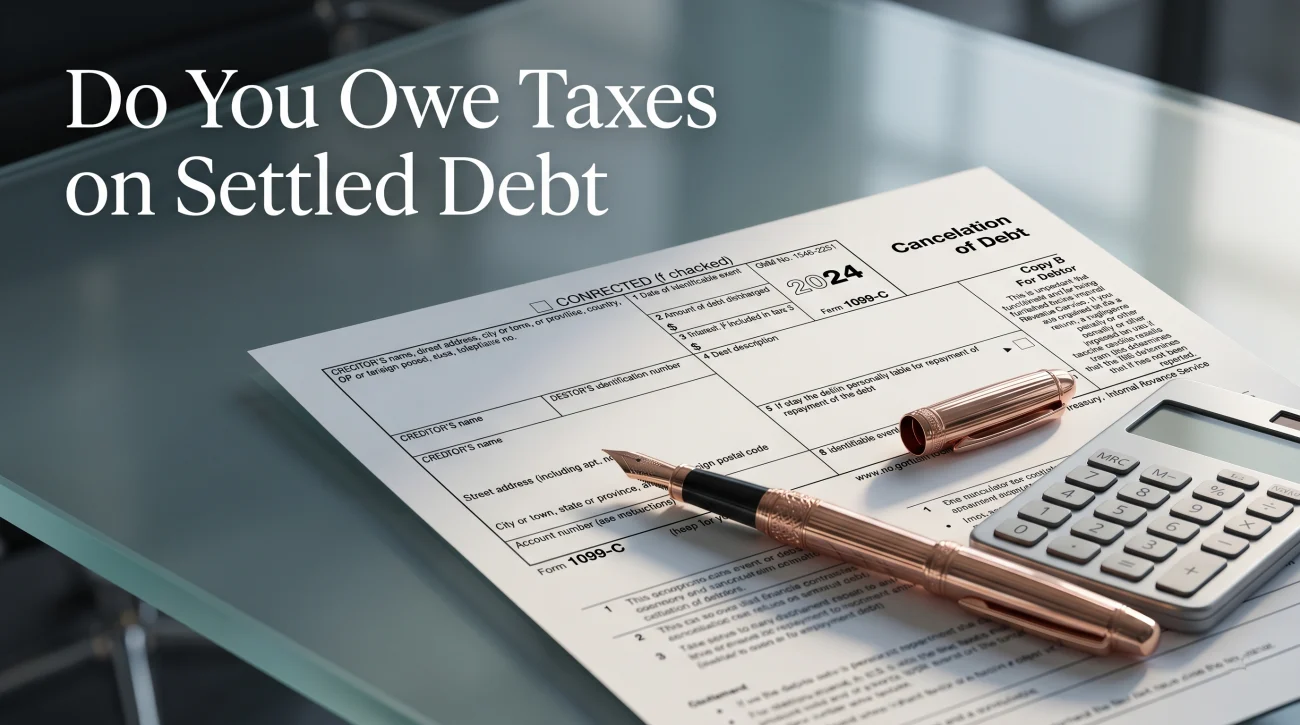
Do You Owe Taxes on Settled Debt? The 1099-C, the Insolvency Exclusion, and What to Do

Do I Owe Taxes On Settled Debt

When a creditor forgives $600 or more of your debt, the IRS generally considers that canceled amount as taxable income, triggering a Form 1099-C. Most people who settle debts do not actually owe taxes on the forgiven amount because they qualify for the IRS “insolvency exclusion.” If your total liabilities exceeded the total value of … Read more

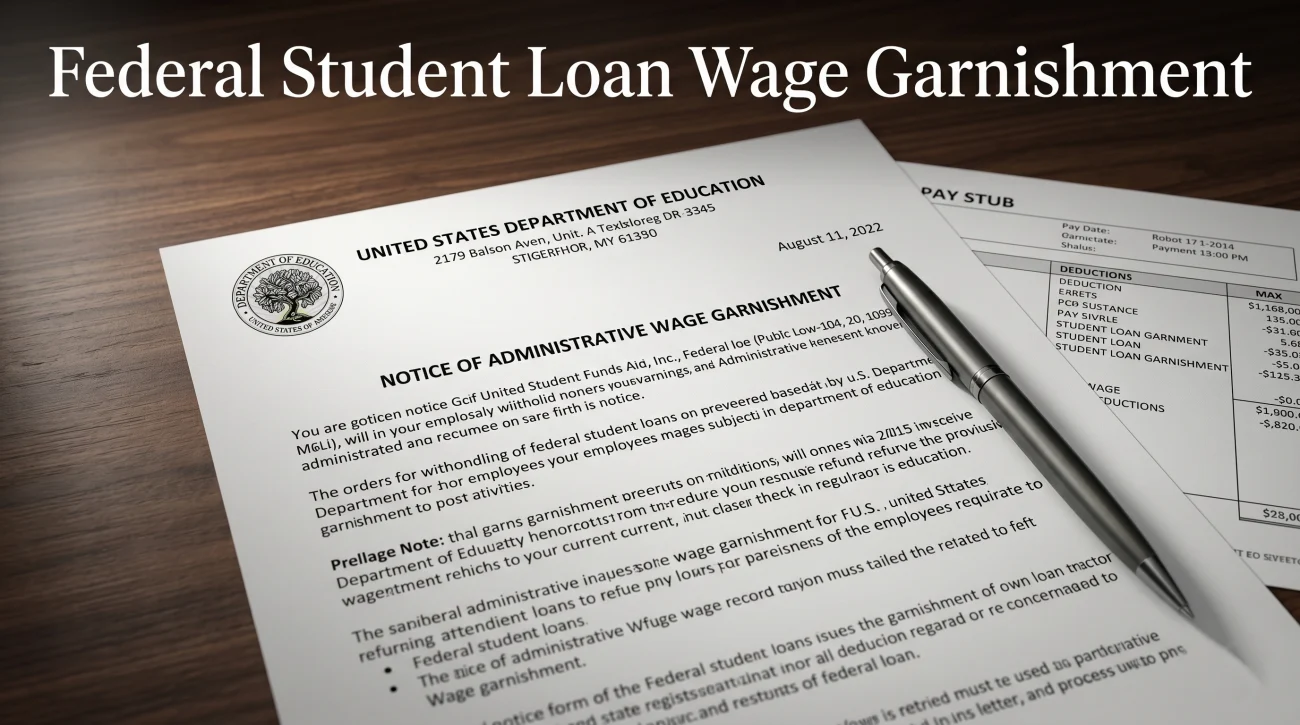
Federal Student Loan Wage Garnishment: How Administrative Garnishment Works and Why 2025-2026 Changes Everything

Federal Student Loan Wage Garnishment

The Department of Education does not need a court judgment to garnish your wages. They use an administrative process that bypasses the local court system entirely. Federal student loan garnishment is limited to 15 percent of your disposable earnings, which is lower than the standard limit for consumer debts. You have exactly 30 days from … Read more

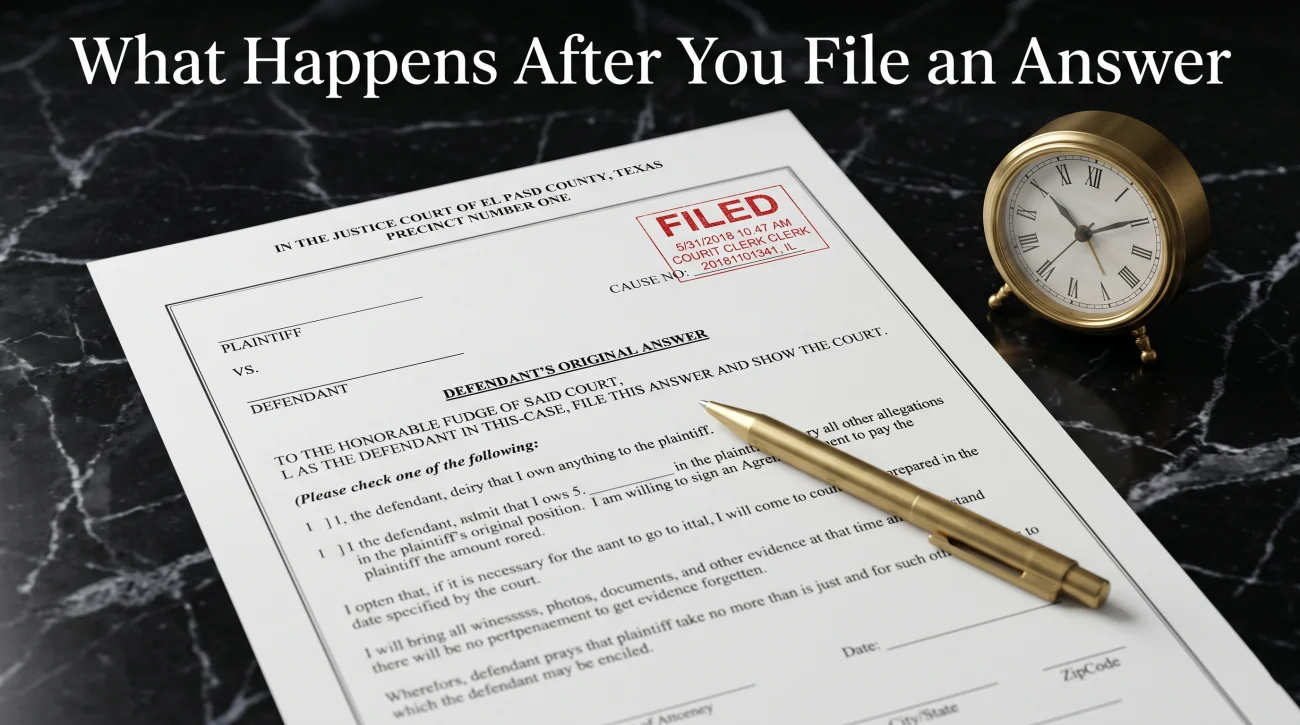
What Happens After You File an Answer to a Debt Collection Lawsuit

What Happens After Answering Debt Lawsuit

Filing an Answer does not end the lawsuit, but it successfully prevents an automatic default judgment against you. Your case will generally take one of four paths next: a settlement offer, a court hearing, formal discovery, or a voluntary dismissal by the collector. Debt buyers frequently abandon lawsuits (voluntary dismissal) when a defendant responds, especially … Read more

Can Debt Collectors Come to Your House? What the Law Says (and What’s Usually a Bluff)

Can Debt Collectors Come To Your House

The Fair Debt Collection Practices Act does not explicitly ban collectors from visiting your home, but it is extremely rare for unsecured consumer debt. When a collector says they are sending someone to your house, it is almost always a psychological bluff designed to create panic and force an immediate payment. If someone actually shows … Read more

How to Negotiate Debt Yourself: Hardship Programs and Settlements

How To Negotiate Debt Yourself

Your ability to successfully negotiate debt depends entirely on two factors: how many days delinquent the account is, and whether the original creditor or a debt buyer owns it. If you are current on your payments, do not ask for a settlement. You must ask for a hardship program, which typically involves temporary rate reductions … Read more

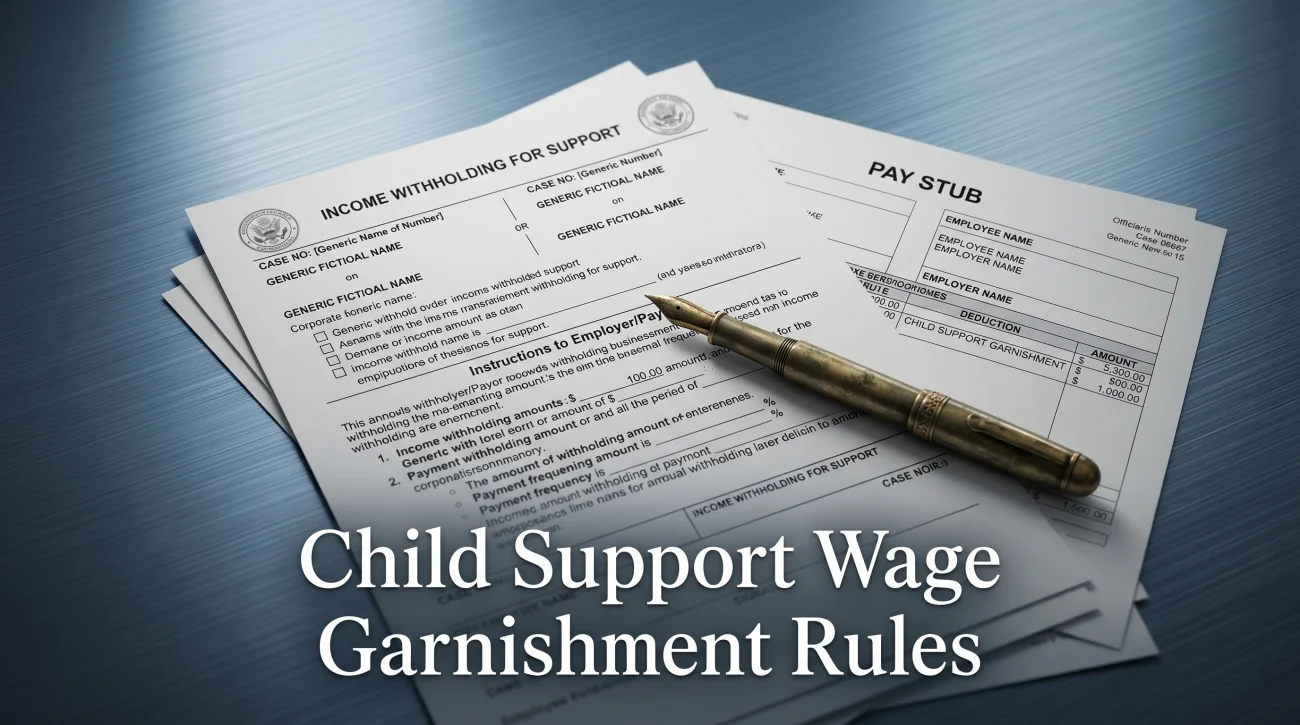
Child Support Wage Garnishment: Why the Rules Are Different – and What You Can Actually Do

Child Support Wage Garnishment

Child support wage garnishment does not require a court lawsuit or a trial to begin; an Income Withholding Order is issued automatically by state agencies. Federal law allows child support to take up to 65 percent of your disposable earnings, which is drastically higher than the 25 percent limit for standard consumer debts. Filing for … Read more

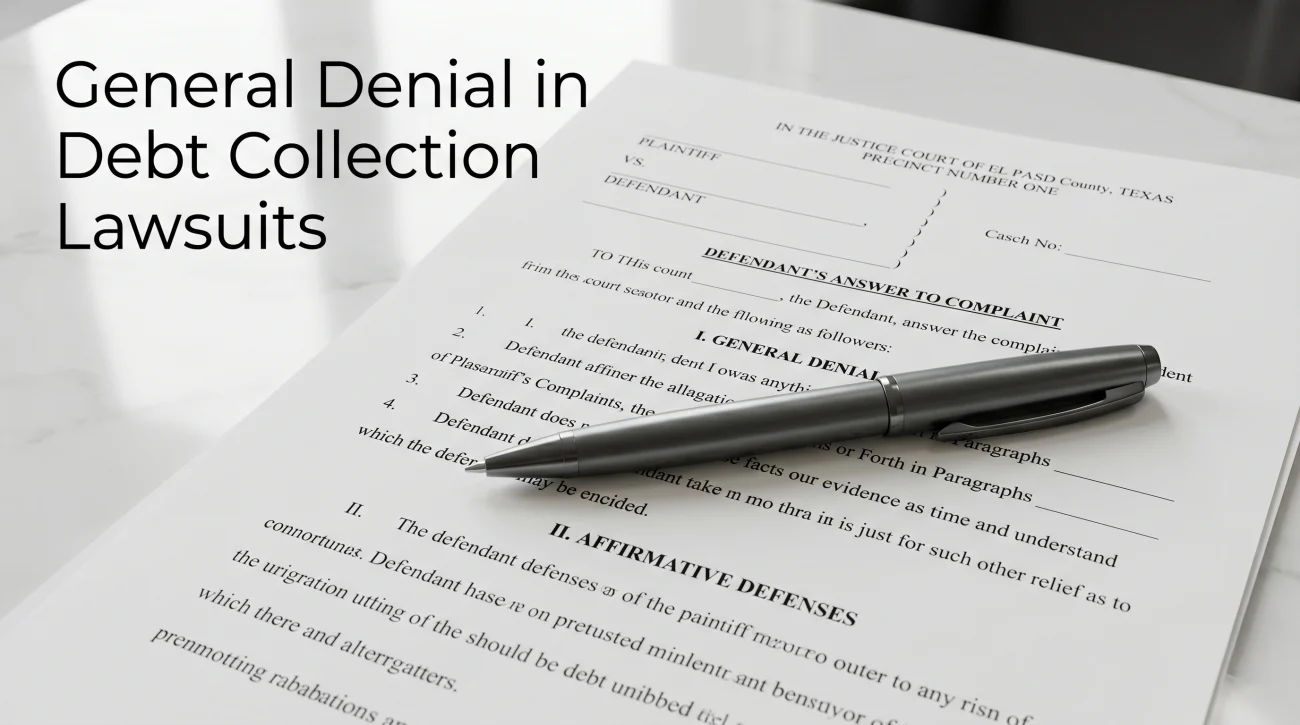
General Denial in Debt Collection Lawsuits: What It Does, What It Doesn’t, and Why It’s Usually the Right Move

General Denial Debt Collection Lawsuit

A general denial does not mean you are claiming the debt is entirely fake. It is a legal mechanism that forces the collector to prove their claims with actual documentation. Filing a general denial shifts the burden of proof back to the plaintiff, preventing a default judgment and buying you time to build a complete … Read more

Can Debt Collectors Email You? What’s Allowed and How to Opt Out

Can Debt Collectors Email You

Yes, debt collectors are permitted to email you. Industry regulations were updated in late 2021 to explicitly allow this communication channel. Collectors generally avoid sending emails to a work email address if they know it belongs to your employer, as it crosses a major compliance line. Every legitimate debt collection email must include a clear, … Read more