Statute of Limitations on Debt: What Collectors Can Still Do After the Clock Runs Out
Statute Of Limitations On Debt

The statute of limitations (SOL) sets a strict legal time limit on how long a debt collector has to sue you for an unpaid debt. The SOL clock and the seven-year credit reporting clock are completely separate timelines that start and end on different dates. Once a debt passes the statute of limitations, it becomes … Read more
How to Get a Debt Collection Lawsuit Dismissed: The Defenses That Close Cases Before Trial

How To Get Debt Collection Lawsuit Dismissed

Most consumers assume a debt lawsuit must end in either a judgment or a settlement, but a significant percentage of cases are dismissed entirely when challenged. A dismissal “with prejudice” is the ultimate goal because it permanently prevents the collector from ever suing you for that specific debt again. Debt buyers frequently file lawsuits with … Read more

Chain of Title in Debt Collection Lawsuits: What It Is, What It Must Show, and How Missing Links Win Cases

Chain Of Title Debt Buyer Lawsuit

The paper trail is mandatory: A debt buyer must prove they legally own your specific account through an unbroken chain of documents from the original creditor to them. Generic documents are not enough: A bill of sale that mentions a “portfolio of accounts” is insufficient unless it includes an attachment that specifically lists your name … Read more

How Debt Settlement Actually Works: What Happens from Enrollment to Final Settlement

Debt Settlement Process

When you enroll in debt settlement, your money goes into an FDIC-insured escrow account in your own name, not the company’s bank account. You must intentionally stop paying your enrolled creditors to force accounts into delinquency, which is the only way to create leverage for negotiation. No settlement is finalized or paid out until you … Read more

Received a Wage Garnishment Notice: What It Means and What You Must Do Before the Window Closes

Wage Garnishment Notice

The clock is already ticking. You typically have 20 days or less to respond to a wage garnishment notice before your options severely narrow. Your employer often receives the legal order before you do. In many cases, the notice arrives around the exact same time your first paycheck is reduced. Filing a claim of exemption, … Read more

Debt Collection Lawsuit Defenses: What Debt Buyers Can’t Prove (And How to Make Them Prove It)

Debt Collection Lawsuit Defenses

A debt buyer suing you must prove they own your specific account, the amount is accurate, and they filed within the legal time limit. Many cannot prove all three. The most powerful defense against a third-party debt buyer is “lack of standing” or challenging their chain of title, because debt portfolios are usually sold with … Read more

FDCPA Violations: What Debt Collectors Are Illegally Doing and What You Can Do About It

FDCPA Violations

Not all debt collector mistakes are accidental. Threats of arrest, disclosing your debt to an employer, and ignoring a cease and desist letter are deliberate tactics designed to leverage fear and social pressure. Failing to provide a written validation notice or demanding an inflated balance often stems from how debt is bought and sold in … Read more

Debt Collection Discovery Requests: The Request for Admissions Trap

Debt Collection Discovery Requests

Discovery is the formal process where both sides exchange information after an Answer is filed. Receiving a thick packet of questions from the collector’s attorney is standard procedure. The most dangerous document in that packet is the “Request for Admissions.” If you do not respond to these statements by the deadline, courts automatically accept them … Read more

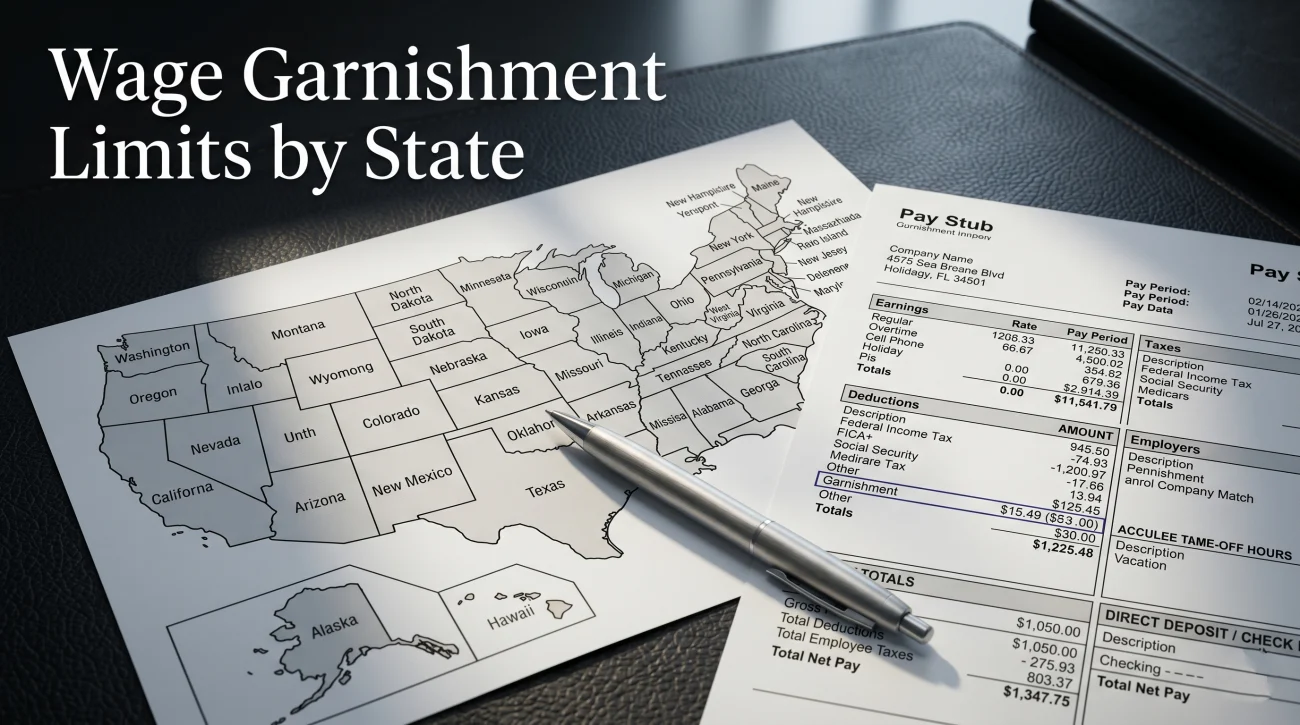
Wage Garnishment Limits by State: Which States Protect More Than Federal Law Requires

Wage Garnishment Limits By State

Federal law caps consumer wage garnishment at 25 percent of your disposable earnings, but many states have passed laws to lower that limit and protect more of your paycheck. When state laws conflict with federal laws regarding garnishment limits, your employer is legally required to use whichever calculation leaves you with more take-home pay. Four … Read more

Debt Collection Lawsuit Deadline: How to Find Your Exact Response Date Before You Miss It

Debt Collection Lawsuit Deadline

The exact number of days you have to respond is almost always printed directly on the summons document, not the complaint. Generic state tables found online are dangerous because your deadline changes based on your specific court type and how the papers were delivered. The clock starts ticking on the day you were officially served, … Read more