Debt Validation vs Debt Verification: What They Are and Why the Difference Matters

Debt Validation Vs Debt Verification

The difference is direction: Debt validation is what the collector sends to you. Debt verification is what you send to the collector. The legal obligation is theirs: You do not have to prove you do not owe the debt. They have to prove that you do. The trap to avoid: Collectors often use the terms … Read more

Debt Already Paid But Collector Is Still Calling: Why This Happens and How to Prove It

Debt Already Paid Collector Calling

When a debt already paid collector calling situation happens, it is usually because the original creditor sold your account before your final payment was properly recorded in their system. Do not rely on phone calls to explain the error. You must force a pause in collection activity by sending a formal written validation request with … Read more

Disputing the Wrong Debt Amount: How to Force Collectors to Prove Every Dollar

Disputing Wrong Amount Owed

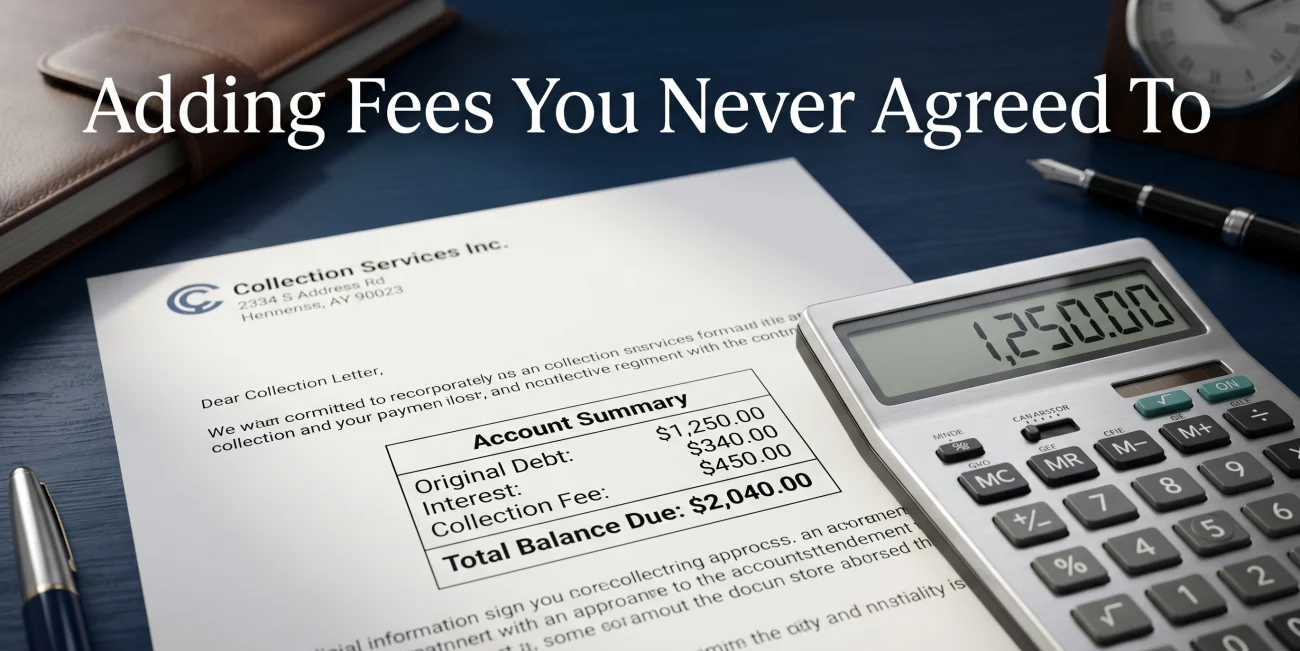
You can dispute the specific amount a debt collector is claiming without disputing that the debt itself exists. Debt buyers often purchase accounts with only a single balance number. Forcing them to provide a line-by-line history exposes their lack of documentation. Your dispute letter must explicitly request a breakdown of the original principal, interest calculations, … Read more

Debt Collector Cannot Validate Debt: What It Means and Your Next Steps

Debt Collector Cannot Validate Debt

When a collector fails to provide proof after a written request, the standard rule is that they must cease collection activities against you. A lack of validation does not erase the debt permanently, but it removes the collector’s primary tool to enforce payment. Collectors often fail to respond because they purchased the debt in a … Read more

What Happens After You Send a Debt Validation Letter: The Four Outcomes and What Each Means

What Happens After Debt Validation Letter

Once a collector receives your validation request, the law requires them to pause all collection activity until they provide proof of the debt. There is no legal deadline for a debt collector to respond. They can take days, weeks, or indefinitely, as long as they do not resume collecting during the pause. Most responses fall … Read more

Debt Collector Didn’t Send a Validation Notice: How to Request It Now and What Your Rights Are

Debt Collector Didn't Send Validation Notice

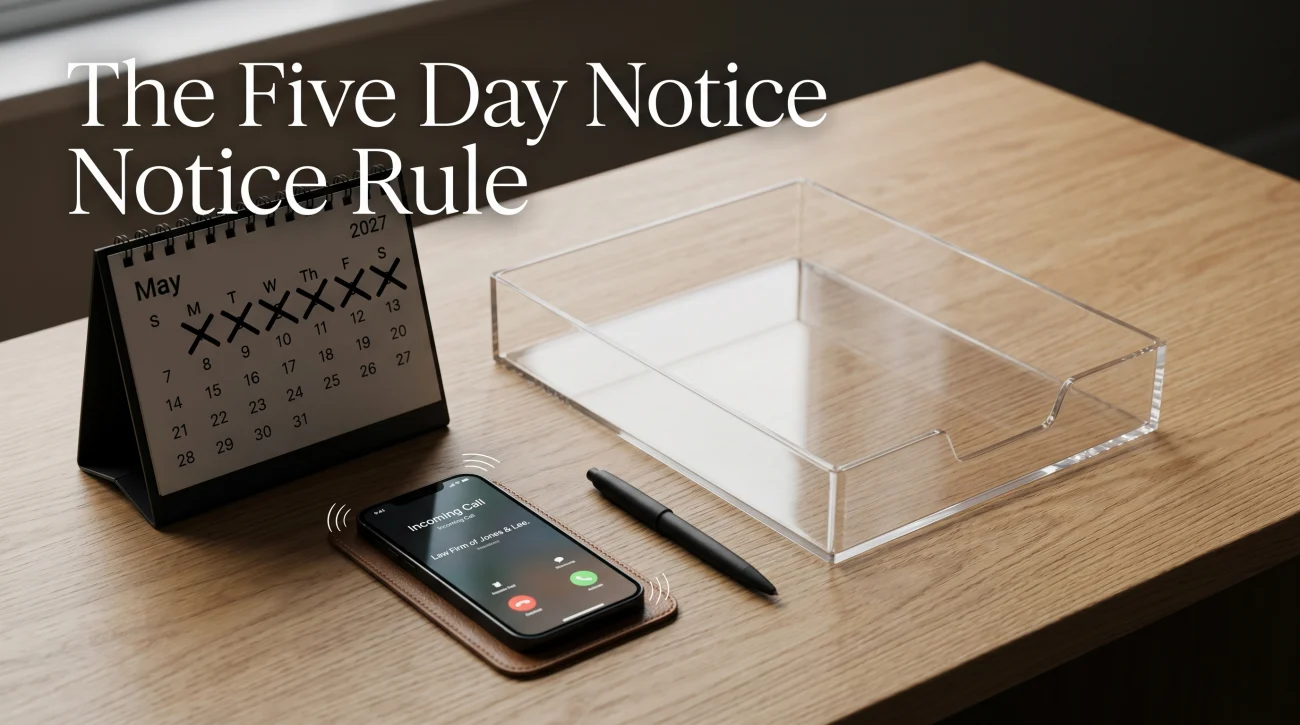
Under federal law, a debt collector must send you a written validation notice within five days of their first communication with you. If a debt collector didn’t send a validation notice, your right to demand proof of the debt does not expire. The 30-day dispute clock only starts when you actually receive the document. Do … Read more

The 30-Day Debt Validation Window: What It Is and What Happens If You Miss It

Debt Validation 30 Day Window

Missing the 30-day debt validation window does not mean you legally owe the debt, nor does it mean you lose your right to challenge it. Disputing within the first 30 days is powerful because it legally forces the collector to pause all collection efforts until they verify the debt. The phrase “assume valid” is an … Read more

What a Debt Collector Must Include in the Validation Notice (And What Missing Means)

What Must A Debt Collector Include In A Validation Notice

The validation notice is a strictly regulated compliance document, not just a generic billing statement. Under Regulation F, collectors must include specific details like an itemized breakdown of the debt and a tear-off dispute form. Missing elements on this notice often reveal critical flaws in the collector’s documentation, giving you significant leverage to dispute the … Read more

Debt Validation Letter Template: What to Include to Actually Create Leverage

Debt Validation Letter Template

A basic validation letter gets a basic response. To force a debt collector to back down, your letter must expose the gaps in their documentation. Always request the “chain of title” and a copy of the original signed agreement. Most third-party debt buyers do not have these documents on hand. Do not use generic legal … Read more