What Percentage Do Debt Collectors Actually Settle For – and Why the Answer Depends on Who Owns the Debt
What Percentage Do Debt Collectors Settle For

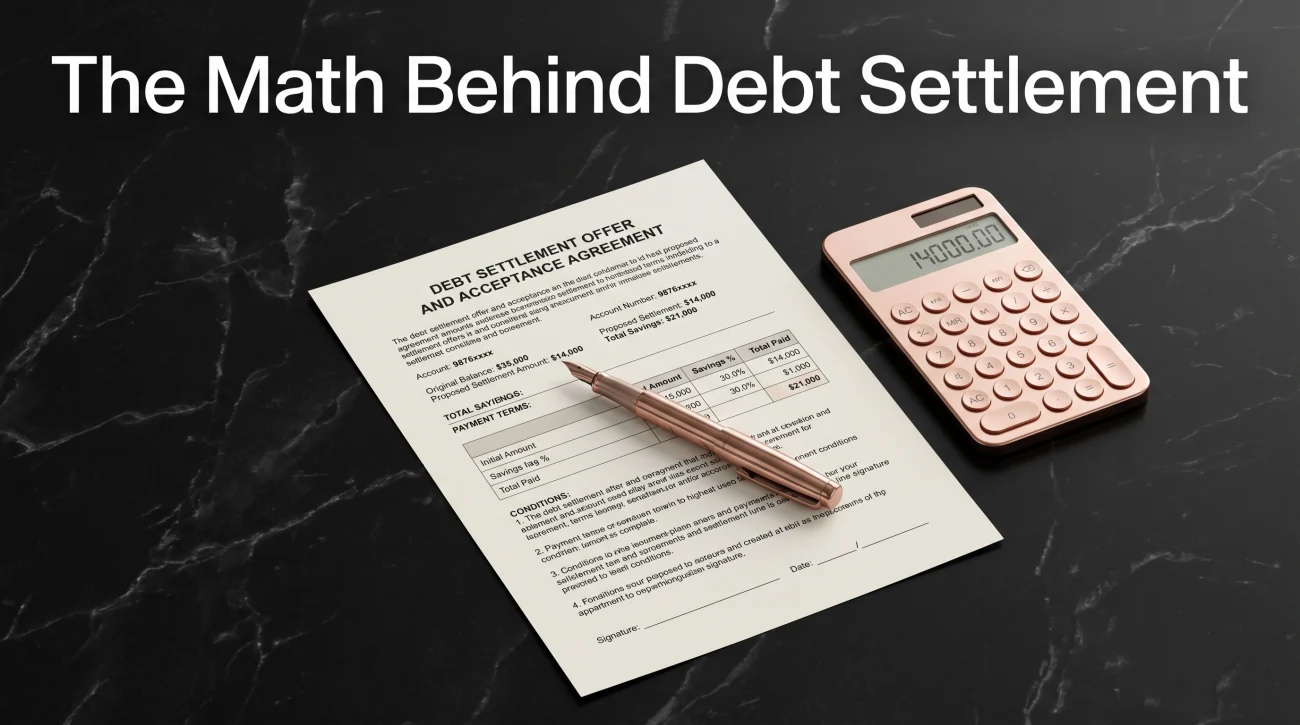
The percentage a collector will accept depends entirely on who owns the debt. Debt buyers who purchased your account for pennies on the dollar can settle for 30 percent and still make a massive profit. Original creditors are typically less flexible, often settling between 40 and 60 percent of the balance, while third-party debt buyers … Read more


How Debt Settlement Actually Works: What Happens from Enrollment to Final Settlement

Debt Settlement Process

When you enroll in debt settlement, your money goes into an FDIC-insured escrow account in your own name, not the company’s bank account. You must intentionally stop paying your enrolled creditors to force accounts into delinquency, which is the only way to create leverage for negotiation. No settlement is finalized or paid out until you … Read more

How Long Does Debt Settlement Take: The Realistic 2-4 Year Timeline and What Affects It

How Long Does Debt Settlement Take

Most debt settlement programs require a 24 to 48 month commitment to complete successfully. The timeline is driven by the mechanics of collection. Creditors typically refuse to settle until an account is severely delinquent, which is why the first 6 to 12 months often involve waiting while you build your settlement reserve. A negotiation cycle … Read more

What Debts Can Be Settled or Included in a Debt Relief Program – and What Can’t

What Debts Can Be Settled

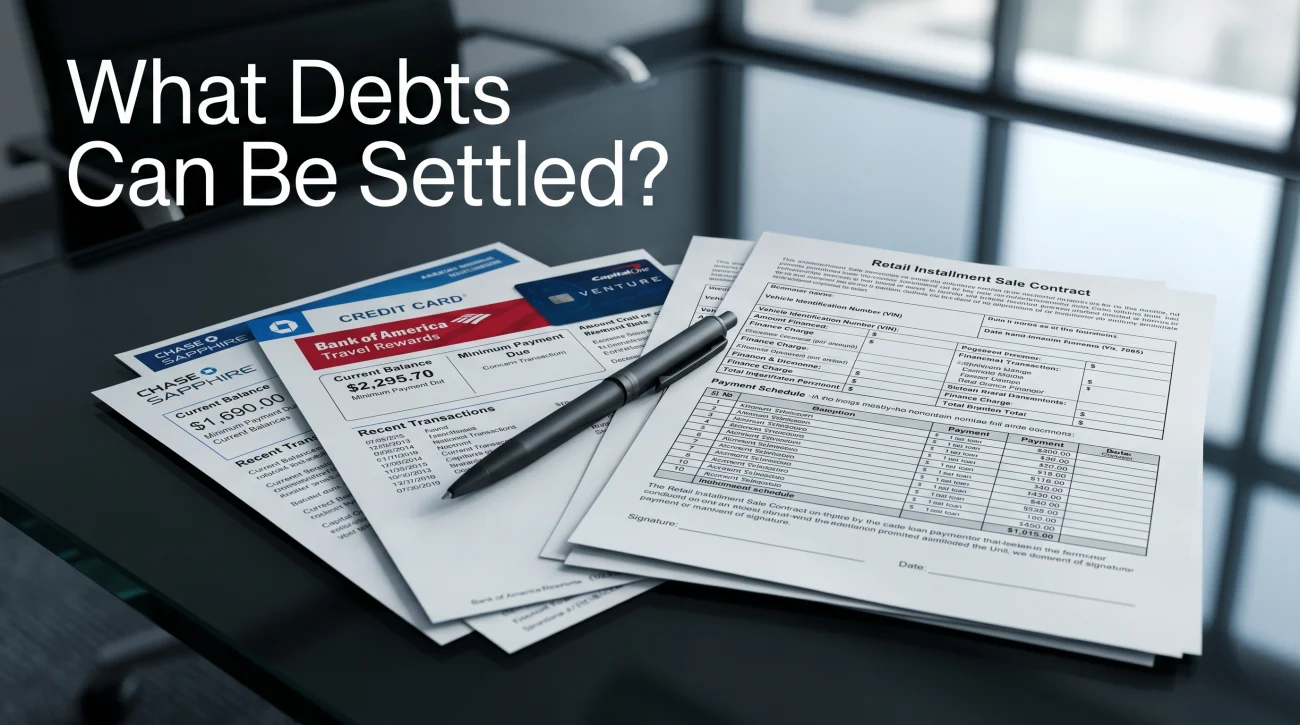
Most debt relief and settlement programs only accept unsecured consumer debt, such as credit cards, personal loans, and certain medical bills. Secured debts, like auto loans and mortgages, generally cannot be settled because the creditor holds the right to repossess or foreclose on the collateral. Federal student loans have their own specific government repayment programs … Read more

Debt Relief Scams: How to Spot Them Before You Pay and What the FTC Says About Legitimate Companies

Debt Relief Scams

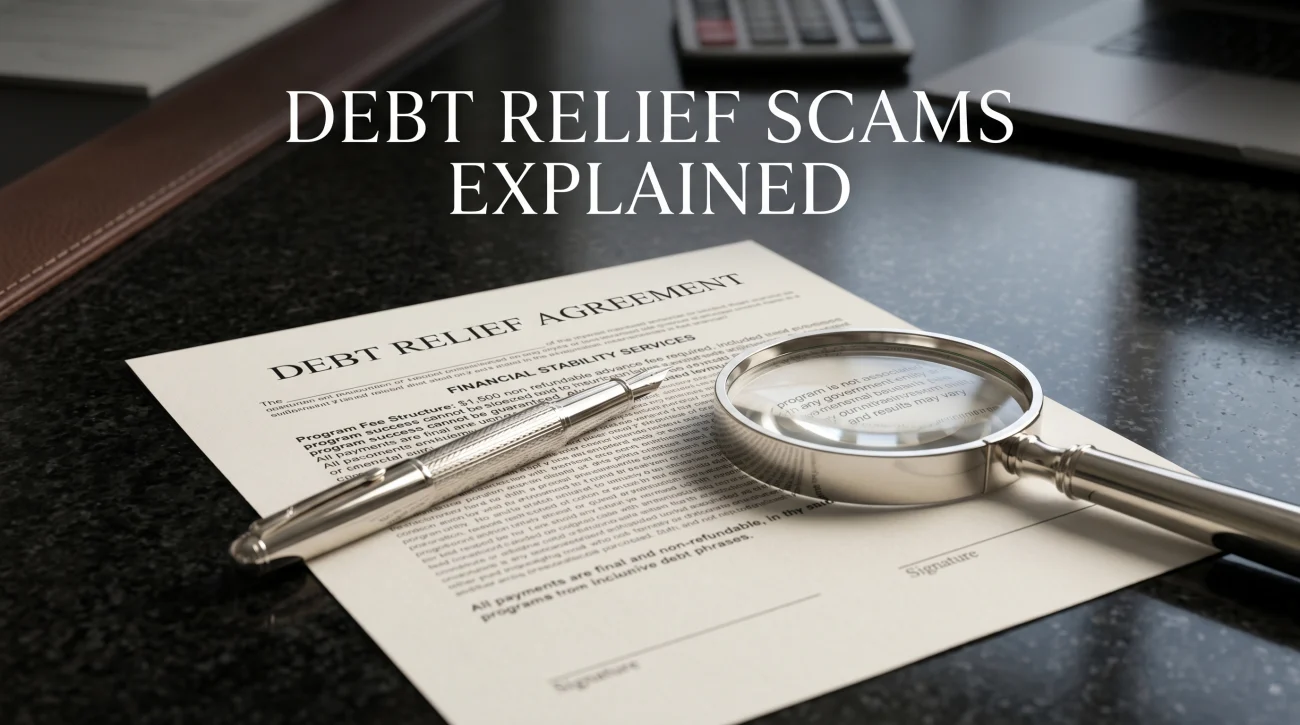
The Upfront Fee Rule: Federal law (TSR) makes it illegal for any debt relief firm to charge you before they settle a debt. This is the single most effective “scam detector” you have. Manufactured Urgency: Scammers use scripts designed to trigger panic. If they claim a “government bailout” is expiring in 24 hours, they are … Read more

Medical Debt Relief: How to Negotiate Hospital Bills, What the 2025 Rules Changed, and What Actually Gets Forgiven

Medical Debt Relief

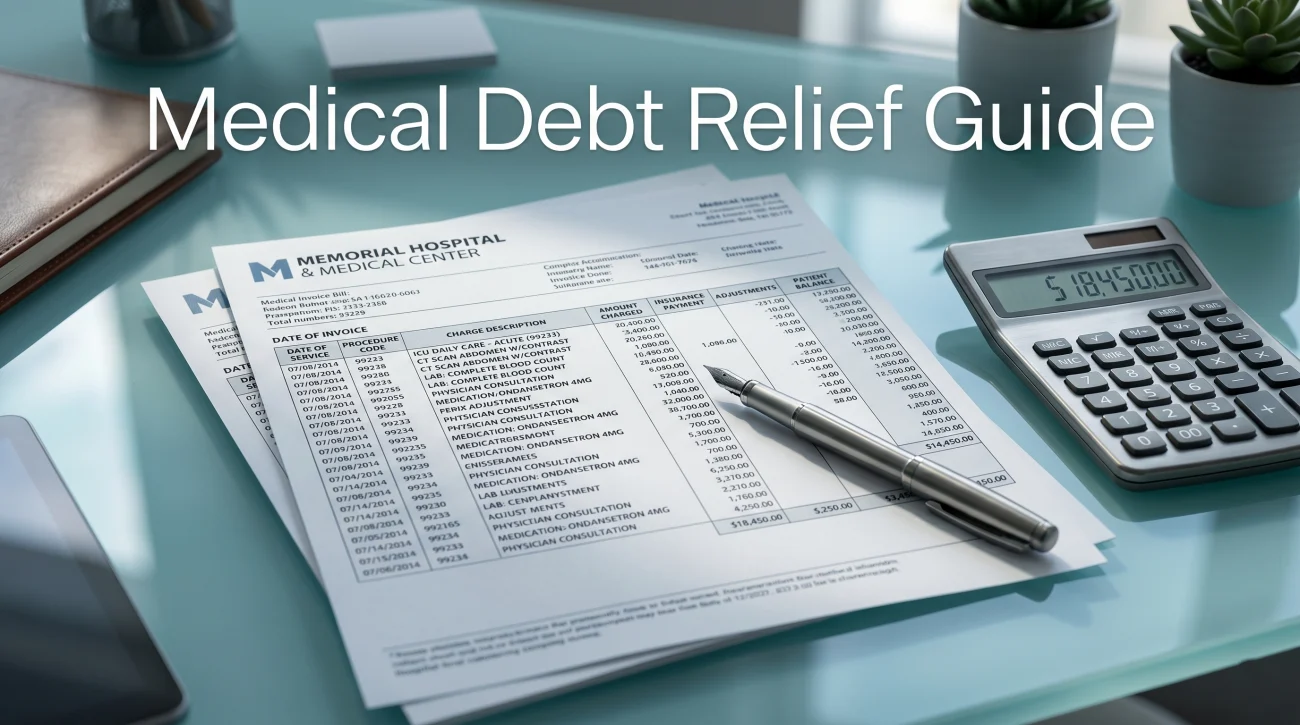
Medical debt is fundamentally different from credit card debt because most hospitals are required under their nonprofit status to offer financial assistance programs. The 2025 CFPB rule finalized the removal of medical debt from consumer credit reports, changing the leverage collectors have over you. Before paying any medical bill, always request an itemized statement with … Read more

How to Pay Off Credit Card Debt: A Working Plan Based on What You Can Actually Afford

How To Pay Off Credit Card Debt

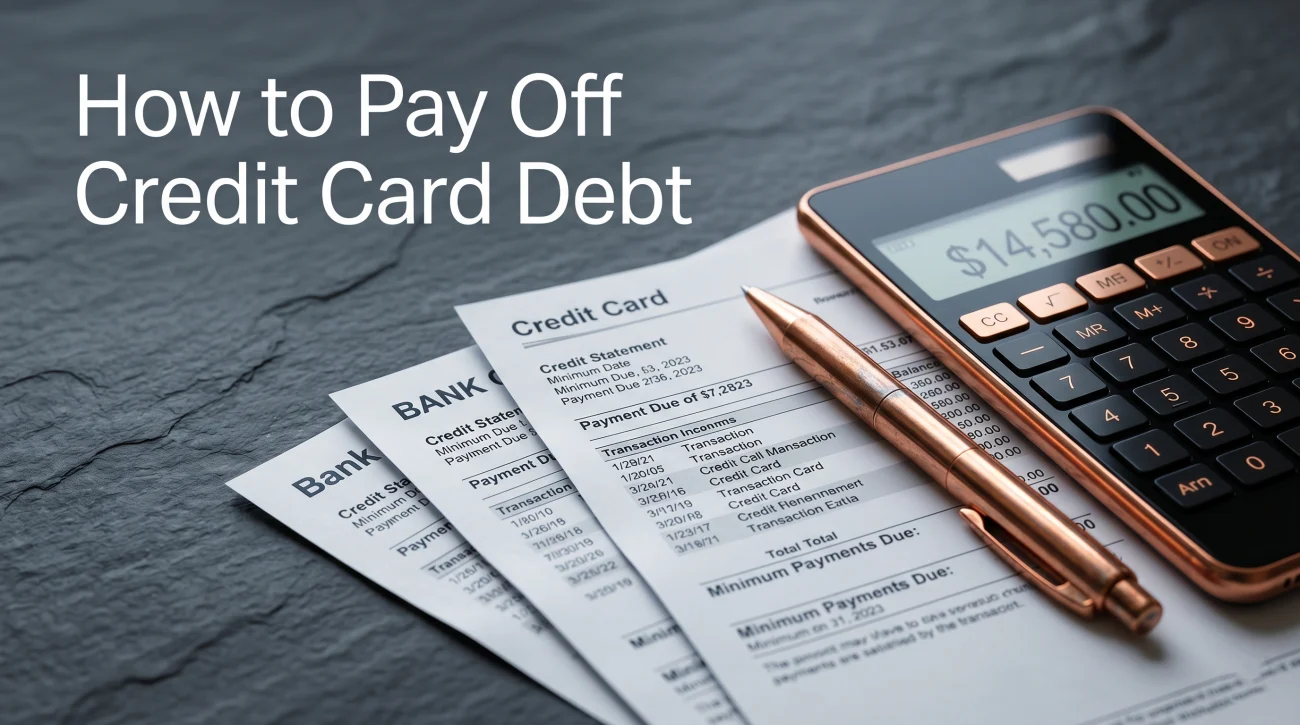
The math of credit card debt is unforgiving. Paying only the minimum on a high interest account can trap you in a repayment cycle lasting 15 to 20 years. A successful payoff strategy depends entirely on your financial reality. You must match your plan to your budget surplus and your current credit score. If your … Read more

Debt Snowball vs Debt Avalanche: Which Pays Off Debt Faster – and Which One You’ll Actually Finish

Debt Snowball Vs Avalanche

The math says you should use the debt avalanche method. Behavioral research proves you are much more likely to complete the debt snowball method. The best strategy is whichever one you will actually finish. The debt avalanche minimizes total interest by targeting your highest-rate accounts first, but progress can feel painfully slow on large balances. … Read more

Do You Owe Taxes on Settled Debt? The 1099-C, the Insolvency Exclusion, and What to Do

Do I Owe Taxes On Settled Debt

When a creditor forgives $600 or more of your debt, the IRS generally considers that canceled amount as taxable income, triggering a Form 1099-C. Most people who settle debts do not actually owe taxes on the forgiven amount because they qualify for the IRS “insolvency exclusion.” If your total liabilities exceeded the total value of … Read more

How to Negotiate Debt Yourself: Hardship Programs and Settlements

How To Negotiate Debt Yourself

Your ability to successfully negotiate debt depends entirely on two factors: how many days delinquent the account is, and whether the original creditor or a debt buyer owns it. If you are current on your payments, do not ask for a settlement. You must ask for a hardship program, which typically involves temporary rate reductions … Read more

Balance Transfer Cards for Debt: The 0% APR Strategy

Balance Transfer Credit Card Debt

A zero percent intro APR balance transfer is a powerful payoff tool, but it only works if you have good credit, disciplined spending habits, and the cash flow to clear the balance before the promo ends. Transfer fees typically consume three to five percent of your transferred balance upfront, meaning a ten thousand dollar transfer … Read more

Debt Consolidation Loan: When It Saves Money and When It Doesn’t

Debt Consolidation Loan

A debt consolidation loan is a personal loan used to pay off multiple smaller debts, leaving you with one fixed monthly payment. It only saves you money if the new interest rate is mathematically lower than the weighted average of your current interest rates. Approval and interest rates are heavily dependent on your credit score. … Read more

How Does a Debt Management Plan Work: How Nonprofit Credit Counseling Actually Helps You Pay Off Debt

How Does A Debt Management Plan Work

A Debt Management Plan (DMP) is not a new loan and it does not settle your debt for less than you owe. You pay back 100 percent of the principal. The core benefit is a drastically reduced interest rate. Nonprofit agencies typically negotiate credit card rates from 20 to 30 percent down to 0 to … Read more

Debt Settlement vs Credit Counseling: Two Very Different Programs for Two Very Different Situations

Debt Settlement Vs Credit Counseling

Debt settlement and credit counseling are not interchangeable; they are designed for two entirely different levels of financial hardship. Credit counseling (Debt Management Plans) requires you to pay the full principal balance, but at a significantly reduced interest rate negotiated by a nonprofit agency. Debt settlement involves stopping your payments entirely so a for-profit company … Read more

How to Choose a Debt Settlement Company: What NDR, FDR, and ADR Actually Offer and the Red Flags to Avoid

How To Choose A Debt Settlement Company

Federal law prohibits legitimate debt relief organizations from charging fees before they actually secure a settlement. Your monthly deposits must go into a dedicated, FDIC-insured account that you control entirely. Industry accreditation from the ACDR or IAPDA is a non-negotiable filter when evaluating your options. Choosing between major firms like National Debt Relief or Freedom … Read more