How to Report a Debt Collector: Which Agency Does What
How To Report A Debt Collector

Filing a complaint locks the collection agency’s actions into a federal database, giving you powerful leverage if you ever need to take them to court. The CFPB requires collection agencies to respond to your complaint within 15 days, forcing a compliance manager to actually look at your file. Complaints to the CFPB, FTC, and state … Read more
Debt Discharged in Bankruptcy: Your Complete Defense When Sued

Debt Discharged Bankruptcy Defense Lawsuit

A bankruptcy discharge is a permanent federal court injunction that prohibits any collector from filing a lawsuit to collect the discharged debt. Debt buyers often file lawsuits on discharged accounts because the bankruptcy status was lost or stripped out of the data when the debt portfolio was sold. To use your bankruptcy discharge as a … Read more

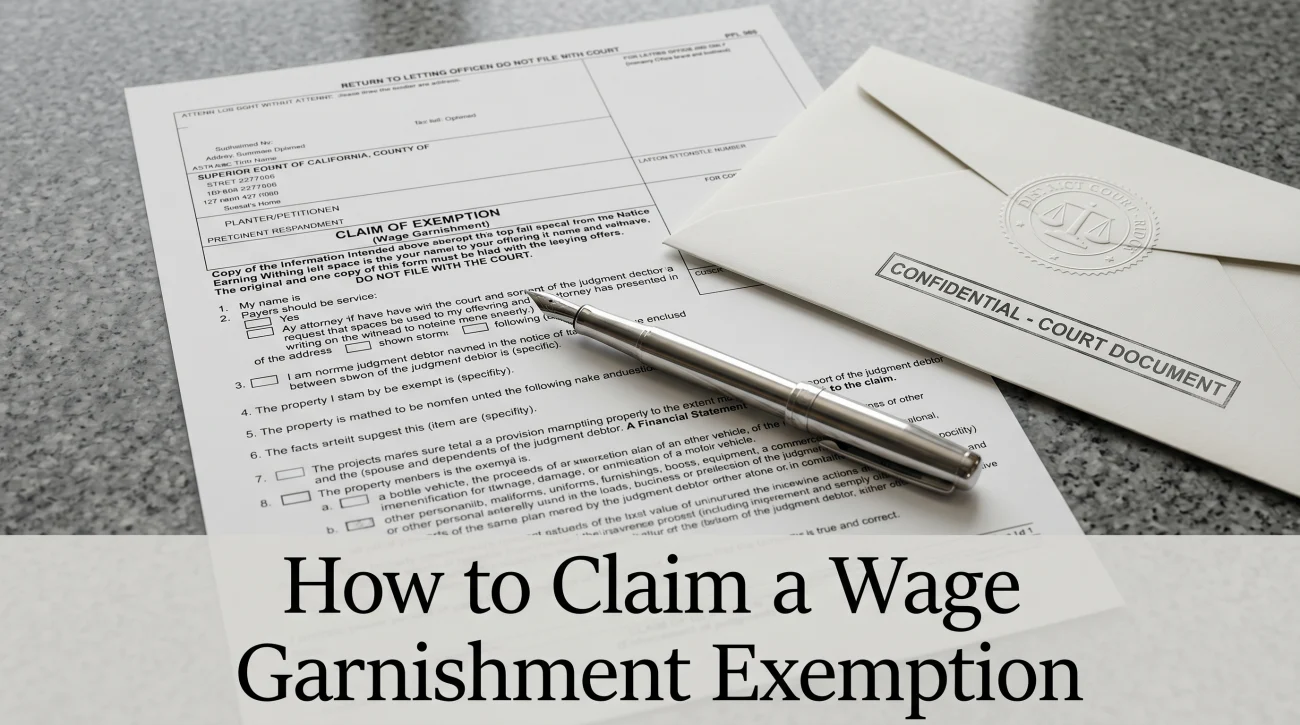
How to Claim a Wage Garnishment Exemption: The Forms, Deadlines, and What Happens Next

How To Claim Wage Garnishment Exemption

Filing a claim of exemption is a legal process requiring specific court paperwork submitted before a strict, non-negotiable deadline. The form alone is not a pause button. Your employer must continue payroll deductions until a judge officially rules in your favor. You can protect your paycheck by proving your income falls into a protected categorical … Read more

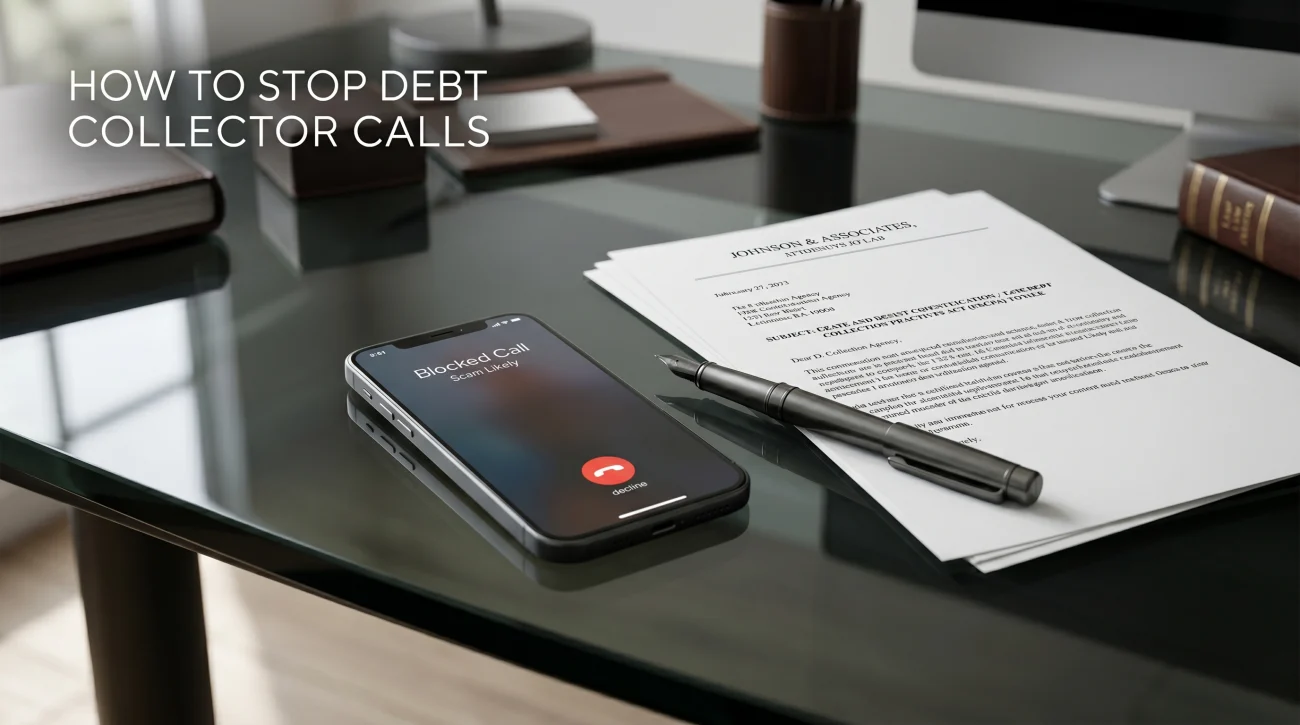
How to Stop Debt Collector Calls: The Cease and Desist Letter That Actually Works

How To Stop Debt Collector Calls

You have the legal right under federal law to force a third-party debt collector to stop contacting you by sending a written cease and desist letter. Verbal requests over the phone rarely work because they leave no paper trail and do not trigger the automatic communication blocks in a collection agency’s software. Stopping the calls … Read more

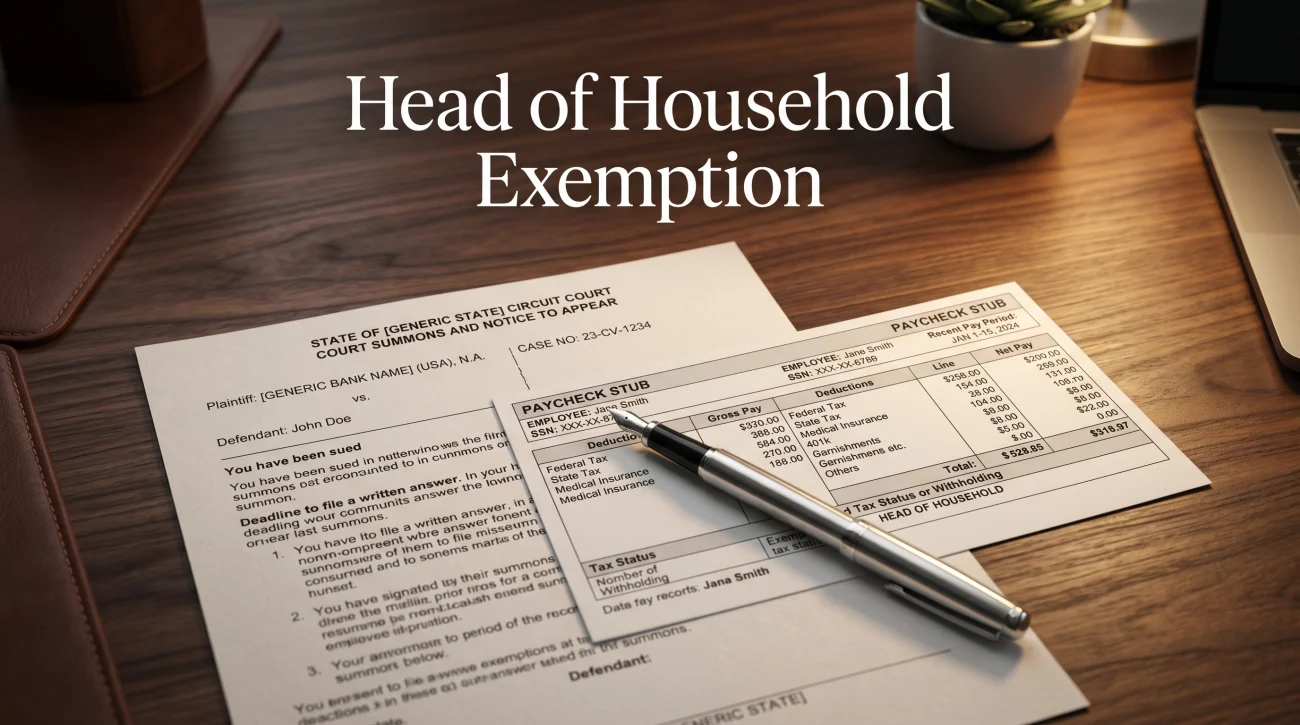
Head of Household Exemption from Wage Garnishment: Florida’s Strongest Wage Protection and the Waiver Trap

Head Of Household Exemption Wage Garnishment

The head of household exemption protects the wages of family breadwinners from being taken by judgment creditors. Florida offers the strongest version of this law in the country. In Florida, if you provide more than half the financial support for a dependent, 100% of your disposable earnings under $750 per week are completely exempt from … Read more

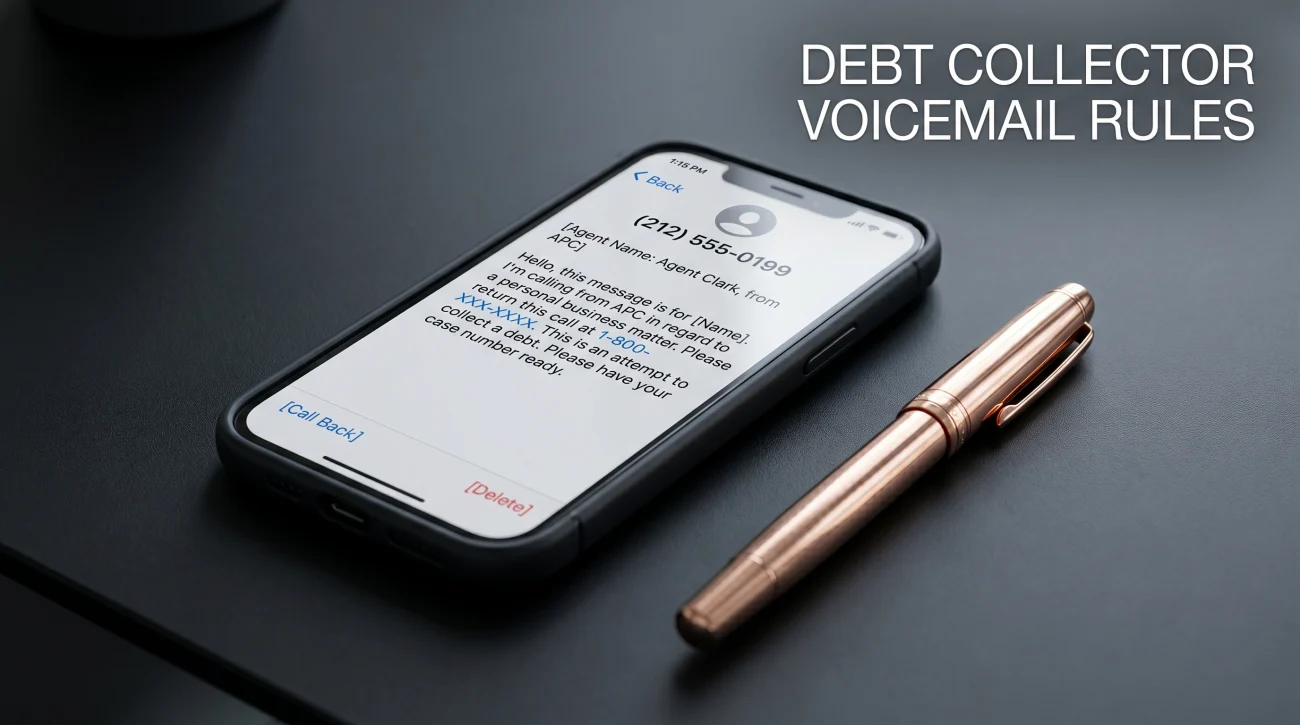
Debt Collector Voicemail Rules: What They’re Allowed to Leave (And What Violates the Law)

Debt Collector Voicemail Rules

A debt collector leaving a voicemail is bound by strict federal rules regarding what they must say and what they must keep secret. Every standard collection voicemail must include the “Mini-Miranda” disclosure, stating that the call is an attempt to collect a debt. If a collector leaves a detailed message and a third party hears … Read more

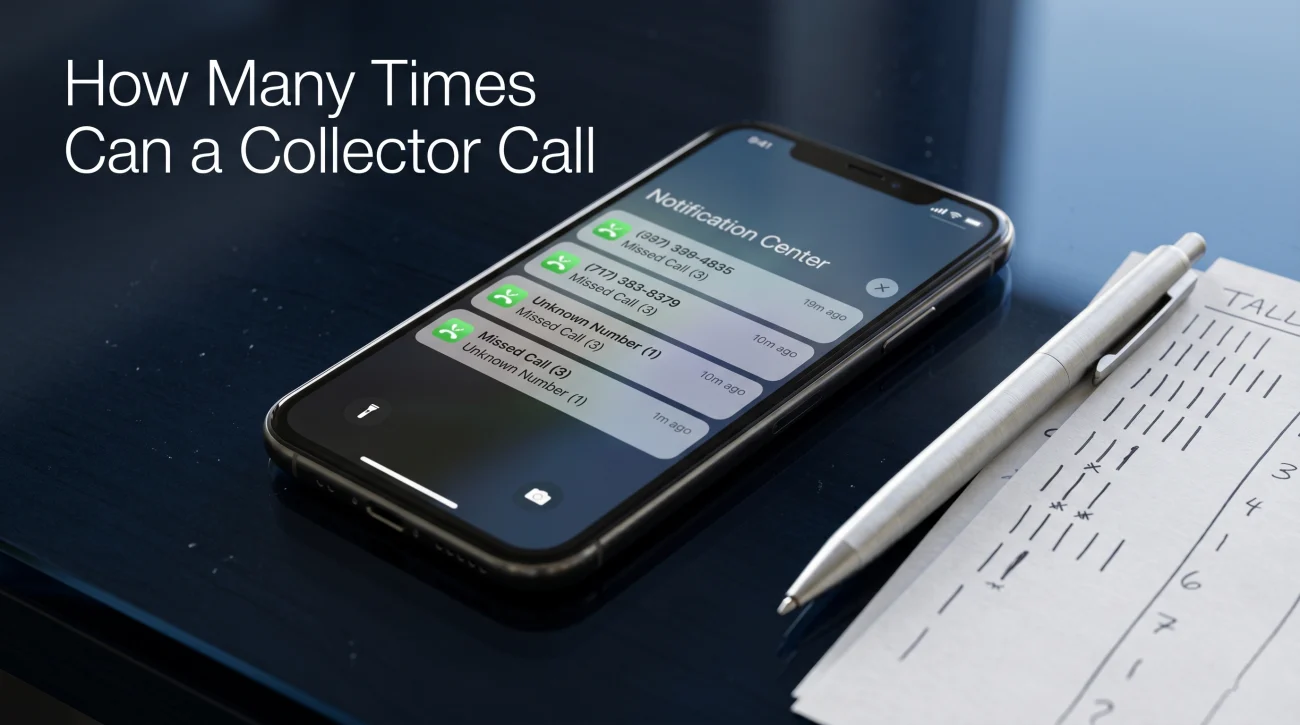
How Many Times Can a Debt Collector Call You? The 7-in-7 Rule Explained

How Many Times Can Debt Collectors Call

Federal law presumes a debt collector is violating the rules if they call you more than seven times in a seven-day period about the same debt. Once you have an actual conversation with a collector about the debt, they are prohibited from calling you again about that specific account for seven days. The number seven … Read more

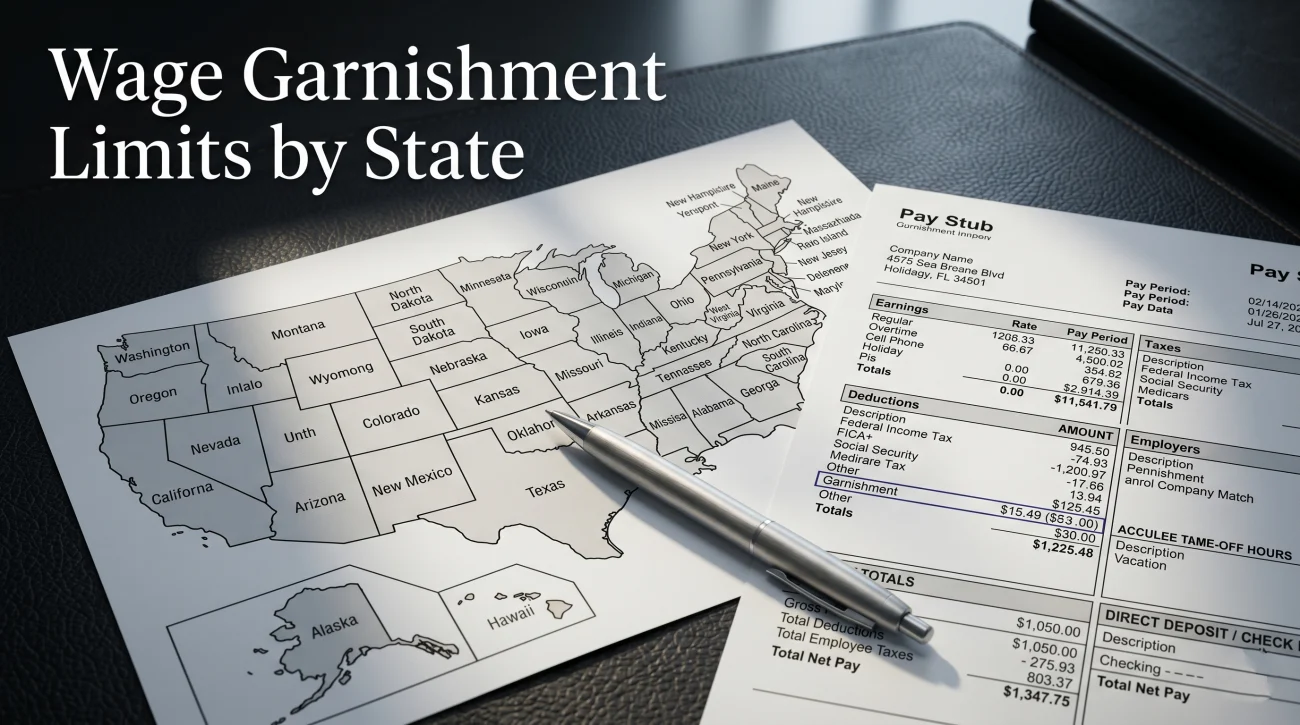
Wage Garnishment Limits by State: Which States Protect More Than Federal Law Requires

Wage Garnishment Limits By State

Federal law caps consumer wage garnishment at 25 percent of your disposable earnings, but many states have passed laws to lower that limit and protect more of your paycheck. When state laws conflict with federal laws regarding garnishment limits, your employer is legally required to use whichever calculation leaves you with more take-home pay. Four … Read more