Can Debt Collectors Email You? What’s Allowed and How to Opt Out

Can Debt Collectors Email You

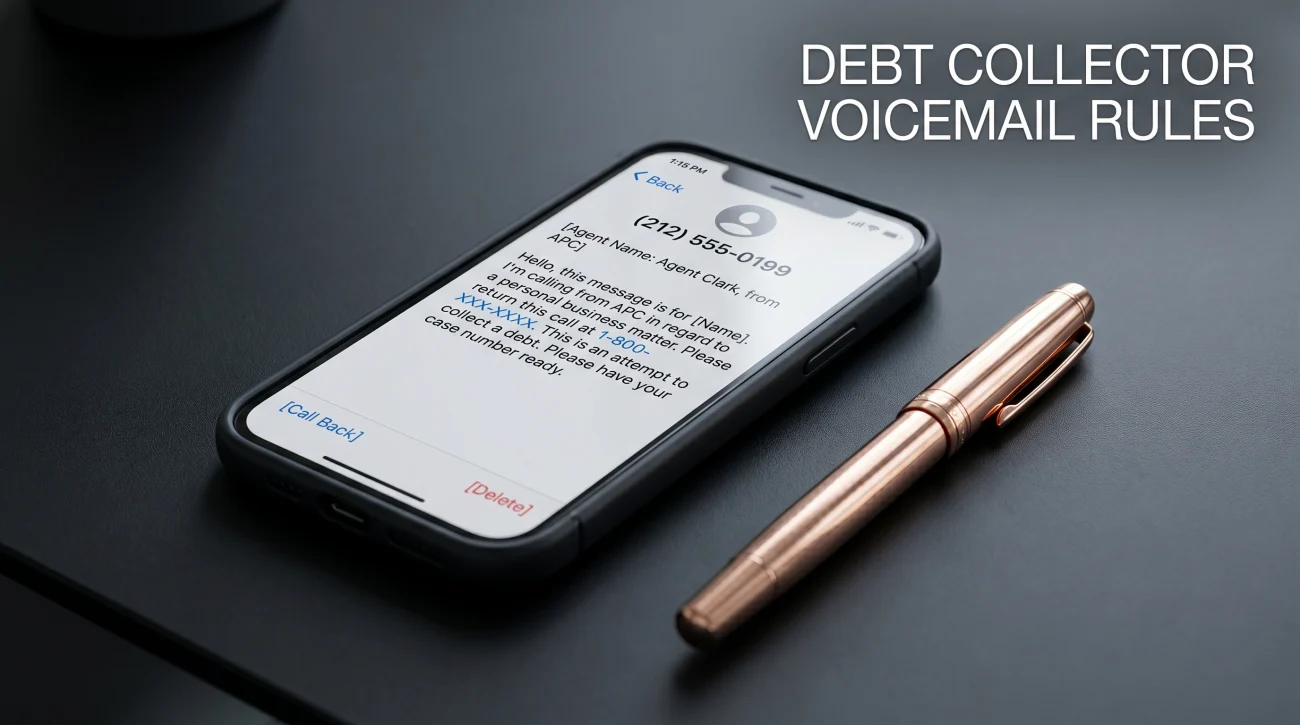
Yes, debt collectors are permitted to email you. Industry regulations were updated in late 2021 to explicitly allow this communication channel. Collectors generally avoid sending emails to a work email address if they know it belongs to your employer, as it crosses a major compliance line. Every legitimate debt collection email must include a clear, … Read more

Wage Garnishment Limits by State: Which States Protect More Than Federal Law Requires

Wage Garnishment Limits By State

Federal law caps consumer wage garnishment at 25 percent of your disposable earnings, but many states have passed laws to lower that limit and protect more of your paycheck. When state laws conflict with federal laws regarding garnishment limits, your employer is legally required to use whichever calculation leaves you with more take-home pay. Four … Read more

Can Debt Collectors Text You? What the 2021 Rules Say and How to Make It Stop

Can Debt Collectors Text You

Yes, debt collectors can legally text you. The CFPB’s Regulation F explicitly permitted text messaging and email contact starting in late 2021. Every legitimate collection text must include a clear, simple way to opt out. Legitimate collectors will never ask you to pay via gift cards, cryptocurrency, or wire transfers via text message. If they … Read more

Debt Settlement vs Credit Counseling: Two Very Different Programs for Two Very Different Situations

Debt Settlement Vs Credit Counseling

Debt settlement and credit counseling are not interchangeable; they are designed for two entirely different levels of financial hardship. Credit counseling (Debt Management Plans) requires you to pay the full principal balance, but at a significantly reduced interest rate negotiated by a nonprofit agency. Debt settlement involves stopping your payments entirely so a for-profit company … Read more

How to Choose a Debt Settlement Company: What NDR, FDR, and ADR Actually Offer and the Red Flags to Avoid

How To Choose A Debt Settlement Company

Federal law prohibits legitimate debt relief organizations from charging fees before they actually secure a settlement. Your monthly deposits must go into a dedicated, FDIC-insured account that you control entirely. Industry accreditation from the ACDR or IAPDA is a non-negotiable filter when evaluating your options. Choosing between major firms like National Debt Relief or Freedom … Read more

Debt Collector Contact Rules: When, How, and Who They’re Actually Allowed to Reach

Debt Collector Contact Rules

Debt collectors are bound by strict federal rules under the FDCPA regarding when, where, and how often they can contact you. Every contact channel they use, from calling your workplace to texting your phone, is designed with a specific psychological goal in mind. You have the legal right to dictate how they communicate with you, … Read more

I Found Your Mother’s Phone Number Before I Finished My Coffee. Here Is What That Call Was Actually For.

Debt Collector Called My Family

Debt collectors can often find your relatives’ phone numbers in a matter of minutes using basic database searches. When a collector calls your family, the official reason is to verify your location, but the unspoken goal is to create social pressure. Under federal law, a debt collector cannot legally tell your parents or relatives that … Read more

What the Debt Collection Data Doesn’t Show: Six Things Every CFPB Report Leaves Out

What Debt Collection Industry Hides

The CFPB received approximately 207,800 debt collection complaints in 2024, but this number only captures what consumers actually know is wrong and take the time to report. The most consequential collection techniques, like manipulating a consumer into a statute of limitations reset, are completely invisible in regulatory complaint data. Compliance enforcement varies wildly across the … Read more

The Call I Still Think About: One Account That Changed How I See This Industry

Debt Collector Personal Story

Most consumer advice is theoretical. This is a practical look at what actually happens on a collection floor when a vulnerable account is dialed. A $50 “good faith payment” is rarely about the money; it is a trained tactic to legally restart the statute of limitations on an old debt. Never make a payment, share … Read more