Debt Collector Claiming You Owe Money You Don’t: The Situation That Accounts for Half of All Complaints
Debt Collector Collecting Debt I Don't Owe

Nearly half of all consumer complaints about debt collectors involve attempts to collect money the consumer does not actually owe. Debt buyers purchase bulk data files for pennies on the dollar, meaning they rarely have original contracts or updated payment records before they start calling. Sending a formal, written dispute within 30 days legally forces … Read more

Sued for a Debt You Already Paid: How to Use Payment as a Complete Defense

Already Paid Debt Lawsuit Defense

If you already paid the debt, your payment is a complete and absolute defense to the lawsuit. The plaintiff cannot legally win a case for an unpaid balance that does not exist. Debt buyers often sue on paid accounts by mistake. Payments made to the original creditor right before the debt was sold frequently do … Read more

How Debt Settlement Actually Works: What Happens from Enrollment to Final Settlement

Debt Settlement Process

When you enroll in debt settlement, your money goes into an FDIC-insured escrow account in your own name, not the company’s bank account. You must intentionally stop paying your enrolled creditors to force accounts into delinquency, which is the only way to create leverage for negotiation. No settlement is finalized or paid out until you … Read more

How to Stop Debt Collector Calls: The Cease and Desist Letter That Actually Works

How To Stop Debt Collector Calls

You have the legal right under federal law to force a third-party debt collector to stop contacting you by sending a written cease and desist letter. Verbal requests over the phone rarely work because they leave no paper trail and do not trigger the automatic communication blocks in a collection agency’s software. Stopping the calls … Read more

Multiple Wage Garnishments at the Same Time: Priority Rules and What Happens to Your Paycheck

Multiple Wage Garnishments

Priority rules dictate who gets paid first when multiple garnishments hit your paycheck. The type of debt always overrides the date the order was received. Child support and tax levies sit at the top of the priority ladder. Consumer debt judgments for things like credit cards or medical bills fall to the very bottom. Federal … Read more

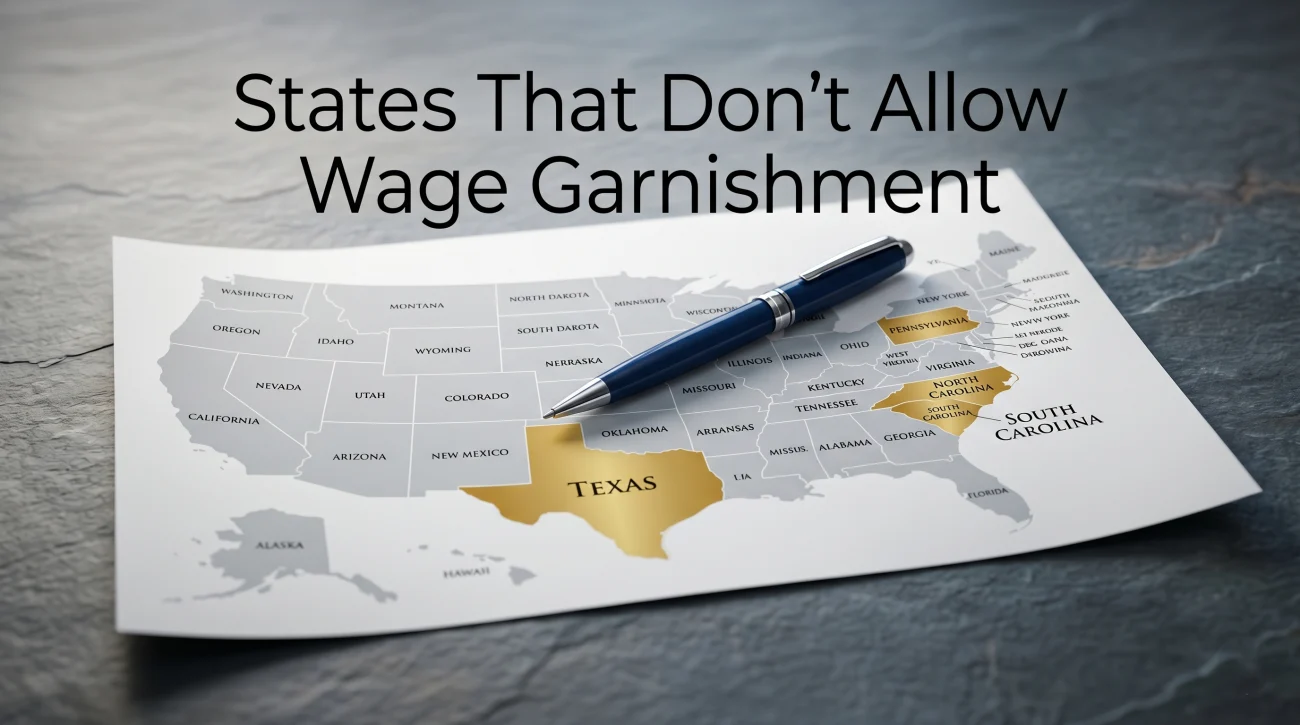
States That Don’t Allow Wage Garnishment for Consumer Debt

States That Prohibit Wage Garnishment

Texas, Pennsylvania, North Carolina, and South Carolina generally prohibit wage garnishment for standard consumer debts like credit cards and medical bills. This protection only applies to your paycheck. Once that money is deposited into your bank account, a creditor can still freeze the account and seize the funds. Government debts completely bypass these state laws. … Read more

How Much of Your Wages Can Be Garnished? The 25% Rule and When It Doesn’t Apply

How Much Wages Can Be Garnished

The amount garnished is not based on your final take-home pay. It is calculated using a specific legal definition called “disposable earnings,” which only excludes legally required tax deductions. Voluntary deductions like health insurance premiums and 401k contributions do not protect your wages. The court considers that money available for debt collection. For consumer debt, … Read more

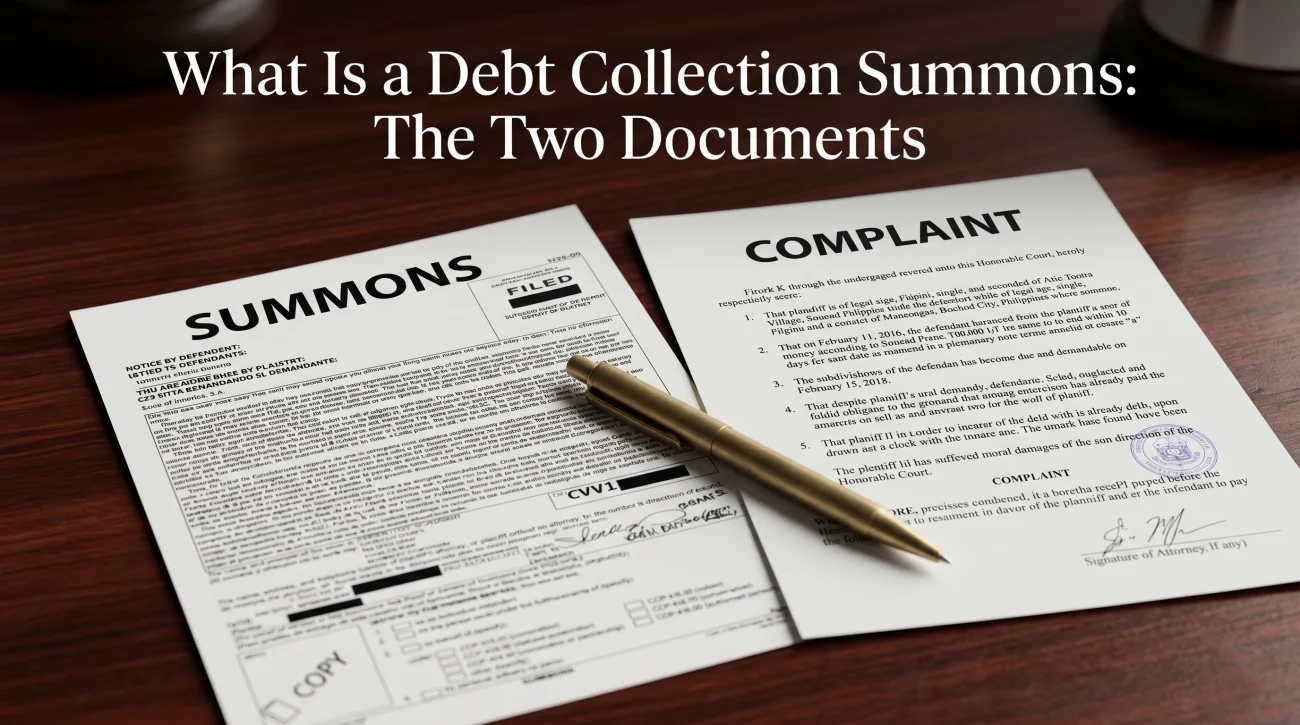
What Is a Debt Collection Summons: The Two Documents You Received and What Each One Requires

What Is A Debt Collection Summons

The court papers you received are actually two separate documents stapled together: the Summons and the Complaint. The Summons is the court’s procedural notice. It dictates the exact deadline you have to respond. You must look here to find out how much time you have. The Complaint is the collector’s list of allegations. In cases … Read more

What Debt Collectors Are Trained to Say: The Scripts, the Psychology, and What Each Line Is Actually Designed to Do

Debt Collector Scripts Tactics

Debt collector scripts are not just random words; they are precision-engineered psychological tools designed to bypass your logical defenses. The “I am here to help you” reframe is a strategic tactic intended to position the collector as an ally while leading you toward a payment commitment. Specific phrases like “good faith payment” are often used … Read more

What Debt Collectors Know About You Before They Even Dial

What Do Debt Collectors Know About You

Collectors do not just dial random numbers. Before the first call, they often pull a “soft inquiry” on your credit report to view your open accounts, payment history, and current address. Commercial skip tracing databases (like LexisNexis and TLO) aggregate public records, utility connections, and business filings to locate you within 24 hours. We didn’t … Read more