Statute of Limitations on Debt: What Collectors Can Still Do After the Clock Runs Out
Statute Of Limitations On Debt

The statute of limitations (SOL) sets a strict legal time limit on how long a debt collector has to sue you for an unpaid debt. The SOL clock and the seven-year credit reporting clock are completely separate timelines that start and end on different dates. Once a debt passes the statute of limitations, it becomes … Read more
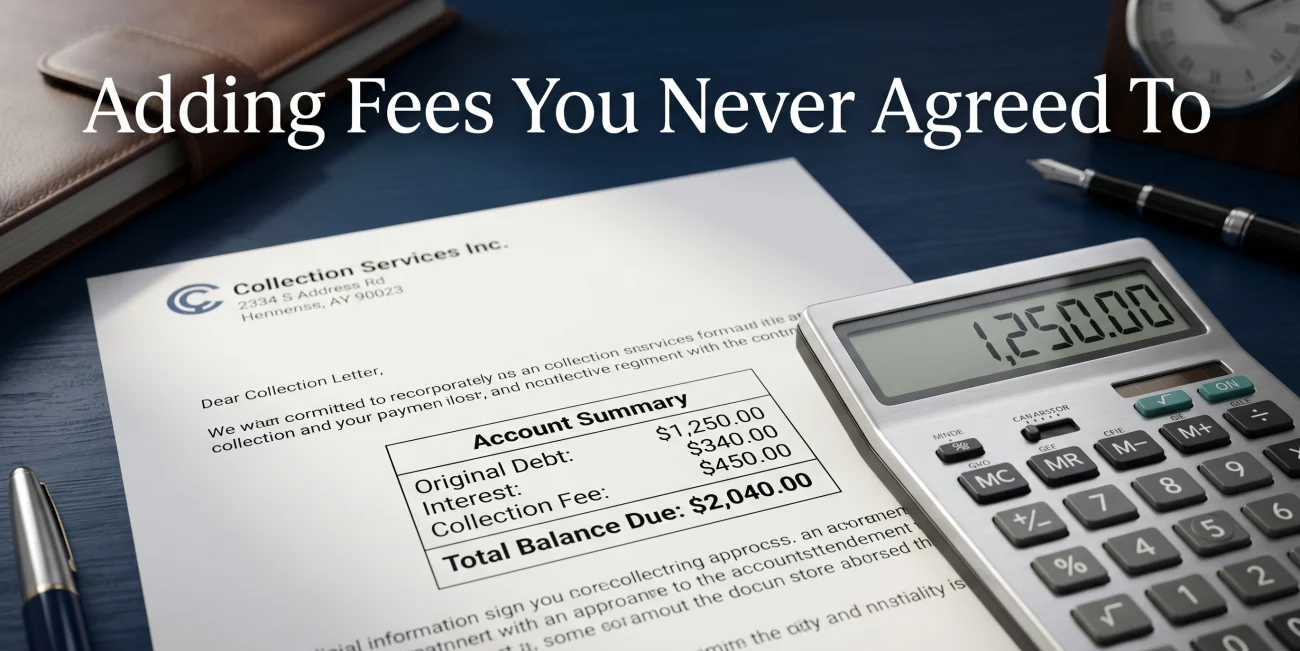
Debt Collector Adding Fees You Don’t Owe: What’s Permitted and What’s an FDCPA Violation

Debt Collector Adding Fees Not In Contract

Debt collectors can only charge fees or interest that were explicitly authorized by your original credit agreement or permitted by state law. Adding unauthorized charges like generic “collection fees” or “handling fees” is a direct violation of the Fair Debt Collection Practices Act (FDCPA). Debt buyers frequently purchase accounts without the original signed contract, meaning … Read more

How to Report a Debt Collector: Which Agency Does What

How To Report A Debt Collector

Filing a complaint locks the collection agency’s actions into a federal database, giving you powerful leverage if you ever need to take them to court. The CFPB requires collection agencies to respond to your complaint within 15 days, forcing a compliance manager to actually look at your file. Complaints to the CFPB, FTC, and state … Read more

Can You Sue a Debt Collector? How FDCPA Lawsuits Work

Can You Sue A Debt Collector

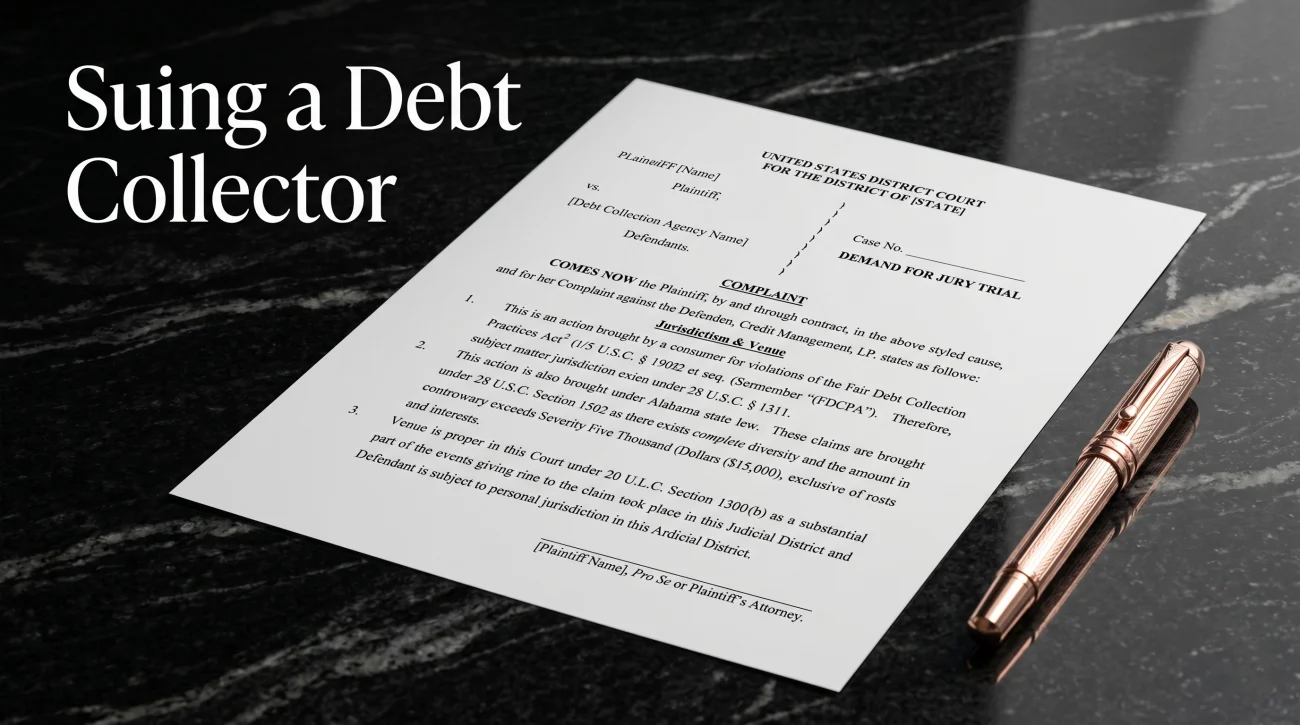
You can sue a debt collector for violating federal law (the FDCPA), and it often costs you nothing out of pocket because the law forces the collector to pay your attorney fees if you win. You can recover up to $1,000 in statutory damages per lawsuit, plus actual damages (like lost wages or therapy costs) … Read more

Debt Collector Still Calling After Your Cease and Desist Letter: What Every Call Is Worth Now

Debt Collector Ignoring Cease And Desist

When a debt collector keeps calling after receiving your written cease and desist letter, they are handing you documented federal violations. Each contact after a written stop request is a violation of the FDCPA, which can entitle you to statutory damages and leverage in your case. Collectors often continue calling due to internal system lags, … Read more

Debt Collector Claiming You Owe Money You Don’t: The Situation That Accounts for Half of All Complaints

Debt Collector Collecting Debt I Don't Owe

Nearly half of all consumer complaints about debt collectors involve attempts to collect money the consumer does not actually owe. Debt buyers purchase bulk data files for pennies on the dollar, meaning they rarely have original contracts or updated payment records before they start calling. Sending a formal, written dispute within 30 days legally forces … Read more

Debt Collector Provided No Validation Notice? What This Violation Means

Debt Collector No Validation Notice

By federal law, a debt collector must send you a written validation notice within five days of their first communication with you. While mailroom errors happen, failing to send this notice is often a calculated tactic and a documentable FDCPA violation. Missing this notice means your 30-day window to dispute the debt never legally started, … Read more

Debt Collector Calling the Wrong Person? How to Make Them Stop

Debt Collector Calling Wrong Person

Telling an agent they have the wrong number usually fails because automated dialing systems do not update across the entire collection floor based on one conversation. Consumer protection rules prohibit agencies from repeatedly calling your number once you have clearly stated you are not the debtor. To stop the calls, you need to transition from … Read more

Debt Collector Told Your Employer About Your Debt: This Is a Clear FDCPA Violation

Debt Collector Told My Employer About My Debt

It is a clear violation of federal law for a debt collector to tell your employer, manager, or coworkers that you owe a debt. While collectors can call your workplace to verify your employment status or ask for your contact information, the moment they disclose the nature of the call, they cross a legal line. … Read more

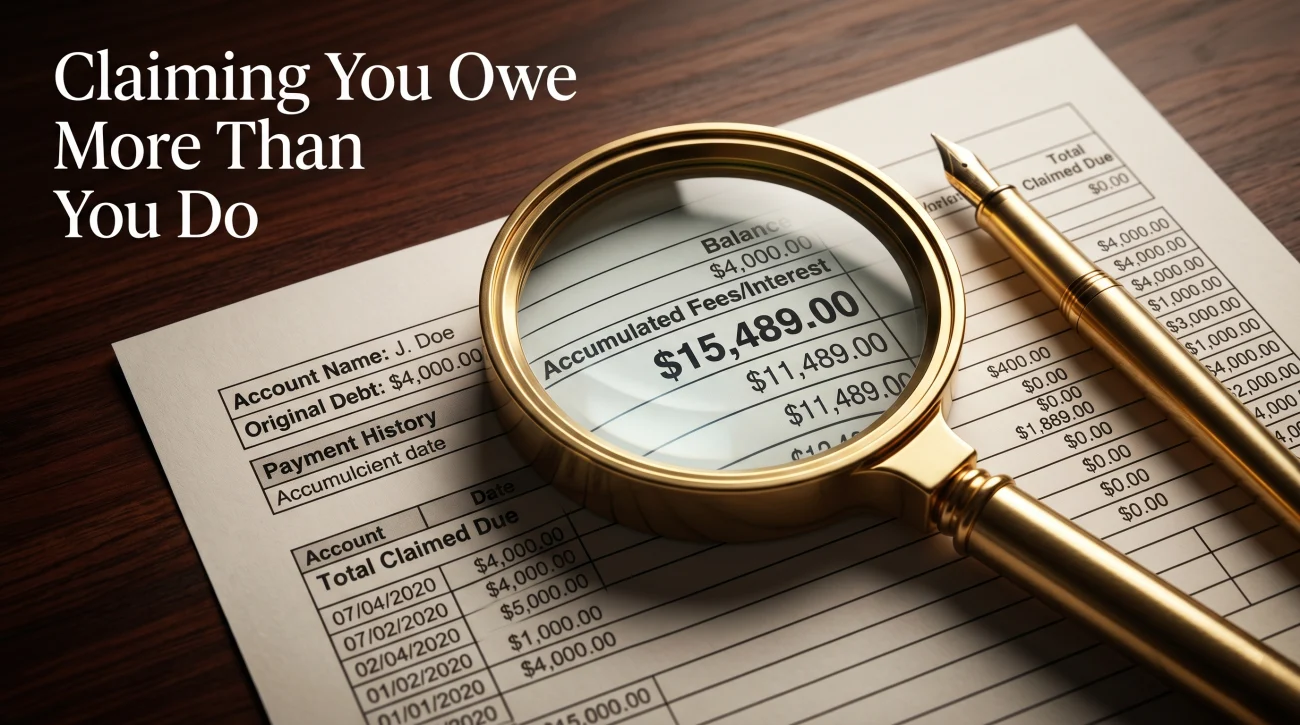
Debt Collector Claiming You Owe More Than You Do: Why This Happens and What to Do

Debt Collector Claiming You Owe More Than You Do

Discrepancies are usually a data problem: If a debt collector says you owe more than your records indicate, do not assume your memory is wrong. Debts are sold in bulk spreadsheets, and missing data frequently leads to inflated balances. Federal rules require accuracy: The legal framework governing debt collection does not give agencies a free … Read more

Debt Collector Impersonating an Attorney: What Is and Isn’t Legal

Debt Collector Impersonating Attorney

Attorneys can legally collect debts, but a debt collector cannot falsely claim to be an attorney or imply a lawyer has reviewed your file if they have not. Sending a “meaningless attorney letter” where a lawyer’s name is stamped on a mass mailing without actual legal review is a violation of federal law. If a … Read more

Debt Collector Threatening to Sue You: When It’s a Bluff and When It’s Real

Debt Collector Threatening Lawsuit

A debt collector threatening a lawsuit without the actual intent or legal ability to file one is committing a federal violation under the FDCPA. Lawsuit threats are often a bluff for small balances (under $1,000) or very old debt, driven by the fact that court costs exceed the potential recovery. Threats are usually real when … Read more

Debt Collector Threatened Arrest: Why This Is Always Illegal (And What It Means for You)

Debt Collector Threatened Arrest

You cannot be sent to jail for failing to pay a civil consumer debt like a credit card or medical bill. Threatening criminal charges is an explicit violation of the Fair Debt Collection Practices Act (FDCPA). Legitimate agencies rarely make this threat. If you hear it, you are likely dealing with a scam or a … Read more

FDCPA Violations: What Debt Collectors Are Illegally Doing and What You Can Do About It

FDCPA Violations

Not all debt collector mistakes are accidental. Threats of arrest, disclosing your debt to an employer, and ignoring a cease and desist letter are deliberate tactics designed to leverage fear and social pressure. Failing to provide a written validation notice or demanding an inflated balance often stems from how debt is bought and sold in … Read more

Debt Collector Calling at Night or Early Morning: When It Crosses Into a Violation

Debt Collector Calling At Night

Federal law prohibits debt collectors from calling you before 8:00 a.m. or after 9:00 p.m. in your local time zone. A call placed outside of these hours is not a minor oversight. It is a documentable violation of the Fair Debt Collection Practices Act. Missed calls and voicemails left during restricted hours still count as … Read more

How to Stop Debt Collector Calls: The Cease and Desist Letter That Actually Works

How To Stop Debt Collector Calls

You have the legal right under federal law to force a third-party debt collector to stop contacting you by sending a written cease and desist letter. Verbal requests over the phone rarely work because they leave no paper trail and do not trigger the automatic communication blocks in a collection agency’s software. Stopping the calls … Read more