Debt Buyer Has No Original Contract: How to Defend Your Lawsuit
Debt Buyer No Original Contract Lawsuit

Debt buyers frequently sue using only a recent billing statement as proof. However, a statement only shows a final balance, while courts require the original signed contract to prove the actual legal terms and your consent to them. Debt buyers purchase accounts in bulk portfolios. They receive basic data on spreadsheets, not original signed contracts. … Read more
Authorized User Defense in a Debt Collection Lawsuit: Why You Aren’t Liable for Someone Else’s Credit Card Debt

Authorized User Credit Card Debt Lawsuit

If you were only an authorized user on a credit card, you are generally not legally responsible for the balance. The primary cardholder holds the liability. Debt buyers frequently sue authorized users by mistake because the generic spreadsheets they purchase often fail to distinguish between authorized users and joint account holders. Under federal law, the … Read more

Arbitration Clause in Debt Collection Lawsuits: How to Use It to Move the Case Out of Court

Arbitration Clause Debt Collection Lawsuit

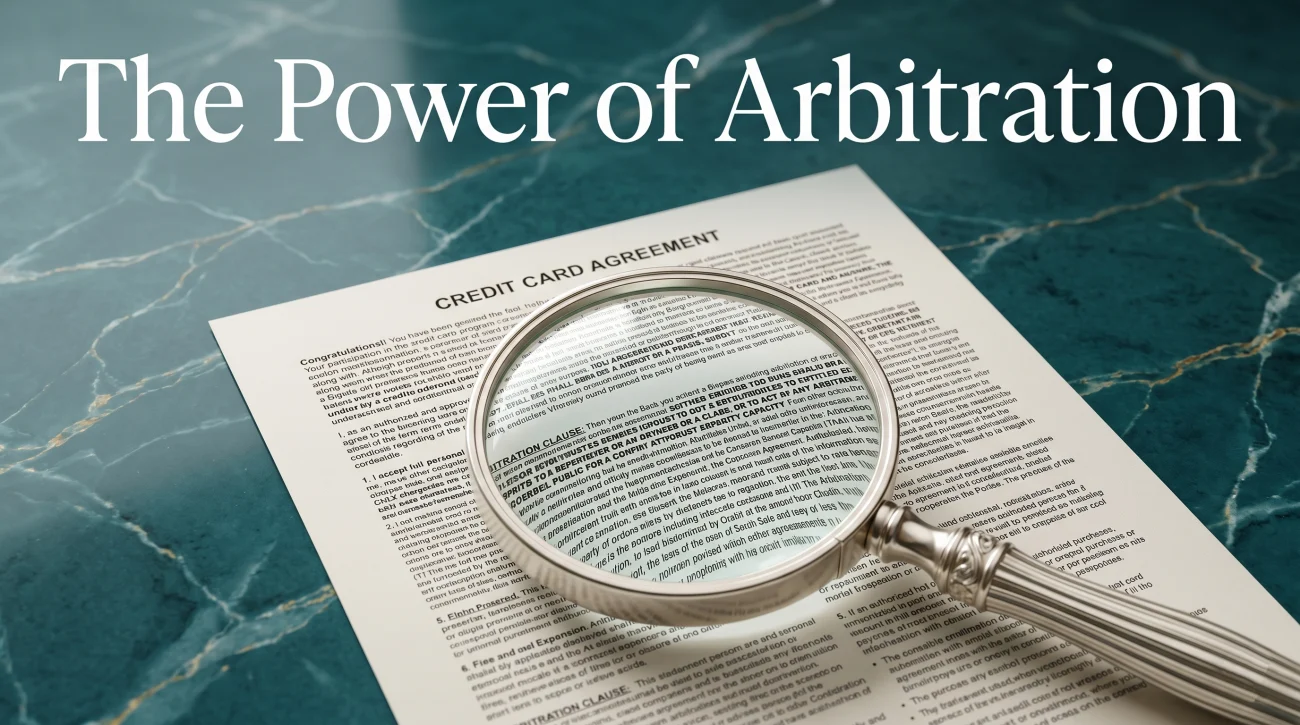
Most major credit card agreements contain an arbitration clause that forces disputes out of a public courtroom and into a private arbitration forum. Debt buyers often drop lawsuits when forced into arbitration because the private filing fees (often $2,000 to $4,000) completely erase their potential profit. Filing a Motion to Compel Arbitration must be done … Read more

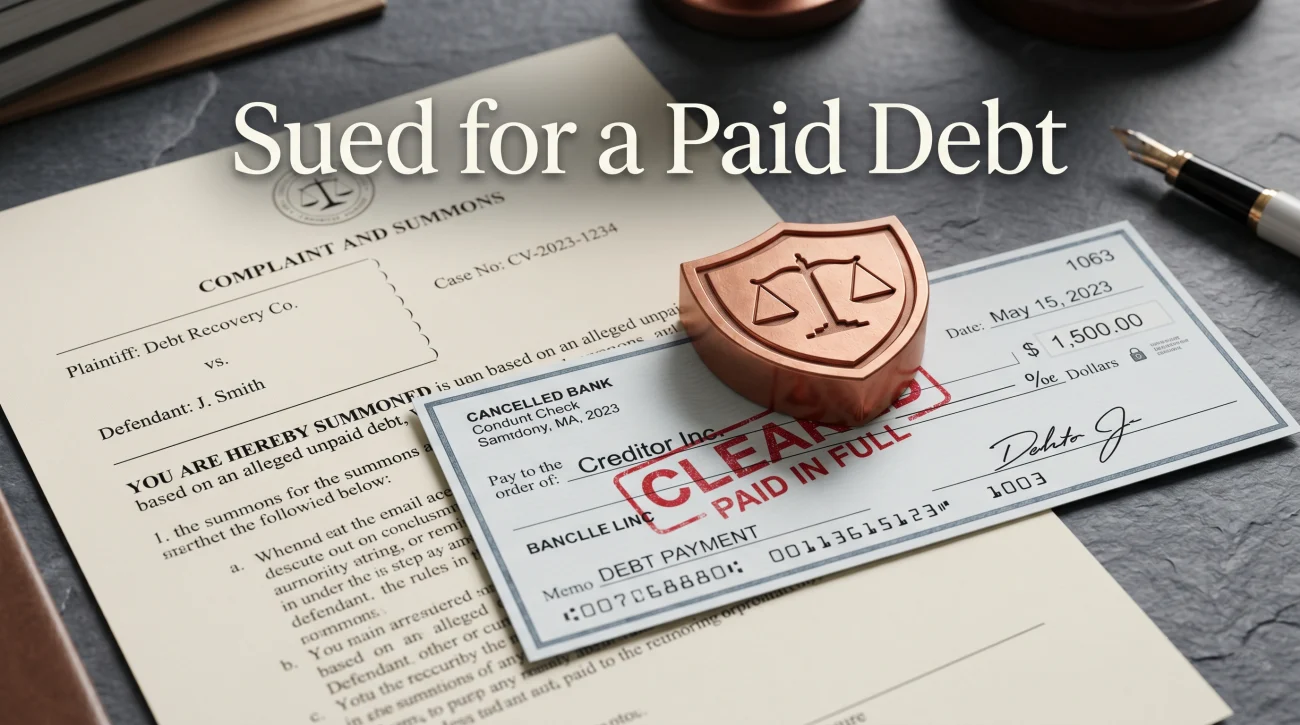
Sued for a Debt You Already Paid: How to Use Payment as a Complete Defense

Already Paid Debt Lawsuit Defense

If you already paid the debt, your payment is a complete and absolute defense to the lawsuit. The plaintiff cannot legally win a case for an unpaid balance that does not exist. Debt buyers often sue on paid accounts by mistake. Payments made to the original creditor right before the debt was sold frequently do … Read more

Statute of Limitations as an Affirmative Defense: How to Raise It in Your Answer

Statute Of Limitations Affirmative Defense Debt Lawsuit

The statute of limitations (SOL) is an absolute defense that can get a debt lawsuit dismissed, but courts will not apply it automatically. You must actively raise it. If you file an Answer without formally listing the SOL as an affirmative defense, you waive the right to use it. The court will let the collector … Read more

Chain of Title in Debt Collection Lawsuits: What It Is, What It Must Show, and How Missing Links Win Cases

Chain Of Title Debt Buyer Lawsuit

The paper trail is mandatory: A debt buyer must prove they legally own your specific account through an unbroken chain of documents from the original creditor to them. Generic documents are not enough: A bill of sale that mentions a “portfolio of accounts” is insufficient unless it includes an attachment that specifically lists your name … Read more

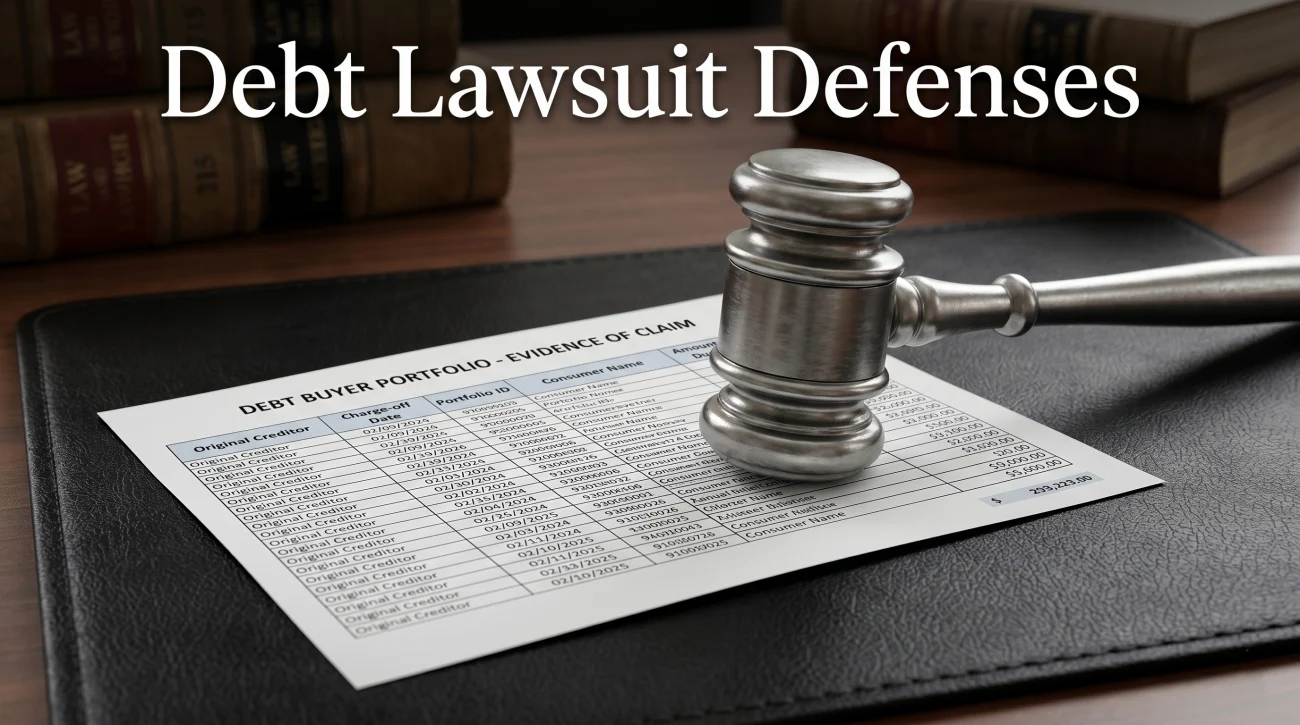
Debt Collection Lawsuit Defenses: What Debt Buyers Can’t Prove (And How to Make Them Prove It)

Debt Collection Lawsuit Defenses

A debt buyer suing you must prove they own your specific account, the amount is accurate, and they filed within the legal time limit. Many cannot prove all three. The most powerful defense against a third-party debt buyer is “lack of standing” or challenging their chain of title, because debt portfolios are usually sold with … Read more

Debt Collection Discovery Requests: The Request for Admissions Trap

Debt Collection Discovery Requests

Discovery is the formal process where both sides exchange information after an Answer is filed. Receiving a thick packet of questions from the collector’s attorney is standard procedure. The most dangerous document in that packet is the “Request for Admissions.” If you do not respond to these statements by the deadline, courts automatically accept them … Read more

General Denial in Debt Collection Lawsuits: What It Does, What It Doesn’t, and Why It’s Usually the Right Move

General Denial Debt Collection Lawsuit

A general denial does not mean you are claiming the debt is entirely fake. It is a legal mechanism that forces the collector to prove their claims with actual documentation. Filing a general denial shifts the burden of proof back to the plaintiff, preventing a default judgment and buying you time to build a complete … Read more

How to Write an Answer to a Debt Collection Lawsuit: What to Include and What Protects You

How To Write Answer To Debt Collection Lawsuit

Your Answer is the legal document that formally addresses the collector’s claims and stops them from winning automatically. It does not need to be a complex legal brief. For every numbered paragraph in the collector’s Complaint, you have three valid response options: Admit, Deny, or state that you lack sufficient information to admit or deny. … Read more