How Long Does Debt Settlement Take: The Realistic 2-4 Year Timeline and What Affects It

How Long Does Debt Settlement Take

Most debt settlement programs require a 24 to 48 month commitment to complete successfully. The timeline is driven by the mechanics of collection. Creditors typically refuse to settle until an account is severely delinquent, which is why the first 6 to 12 months often involve waiting while you build your settlement reserve. A negotiation cycle … Read more

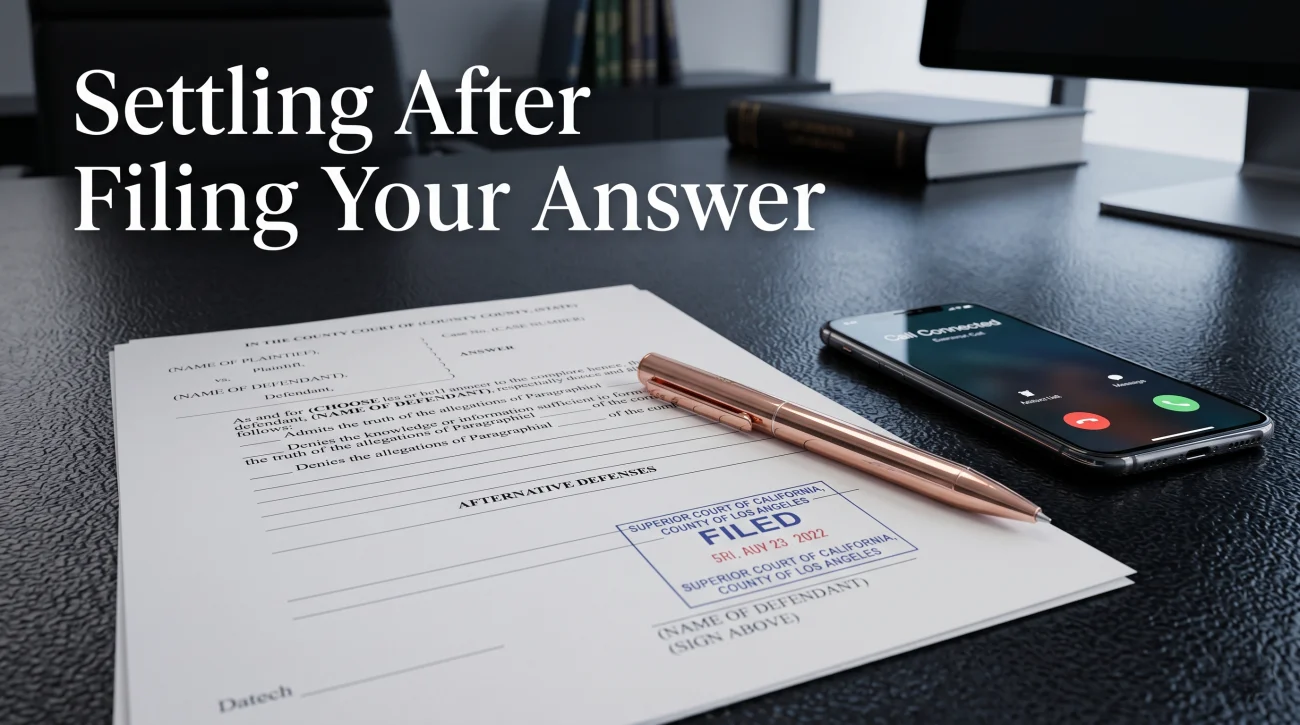
Can You Still Settle a Debt Collection Lawsuit After Filing Your Answer?

Settle Debt Lawsuit After Answering

Filing an Answer to a debt collection lawsuit does not lock you into going to trial. It actually puts you in the strongest possible position to negotiate a settlement. Never try to negotiate a settlement before filing your formal response with the court. Verbal negotiations do not stop the legal clock, and the collector can … Read more

Debt Collector Calling at Night or Early Morning: When It Crosses Into a Violation

Debt Collector Calling At Night

Federal law prohibits debt collectors from calling you before 8:00 a.m. or after 9:00 p.m. in your local time zone. A call placed outside of these hours is not a minor oversight. It is a documentable violation of the Fair Debt Collection Practices Act. Missed calls and voicemails left during restricted hours still count as … Read more

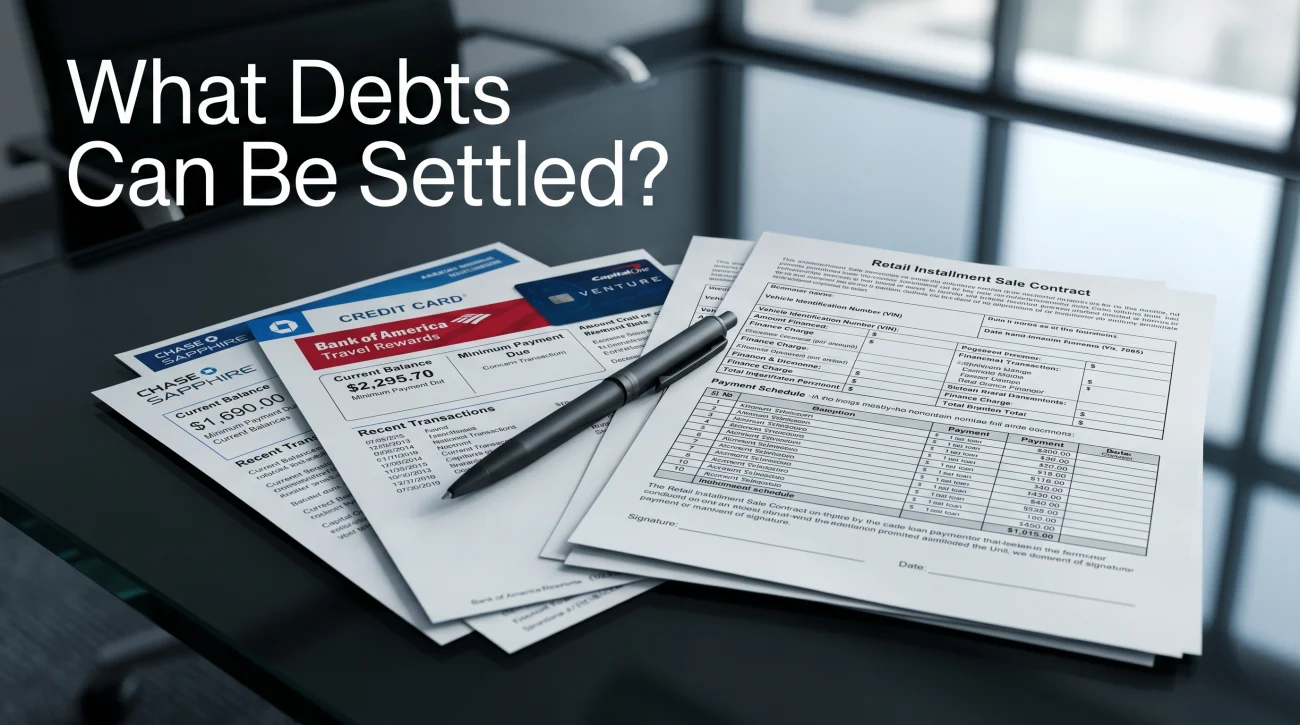
What Debts Can Be Settled or Included in a Debt Relief Program – and What Can’t

What Debts Can Be Settled

Most debt relief and settlement programs only accept unsecured consumer debt, such as credit cards, personal loans, and certain medical bills. Secured debts, like auto loans and mortgages, generally cannot be settled because the creditor holds the right to repossess or foreclose on the collateral. Federal student loans have their own specific government repayment programs … Read more

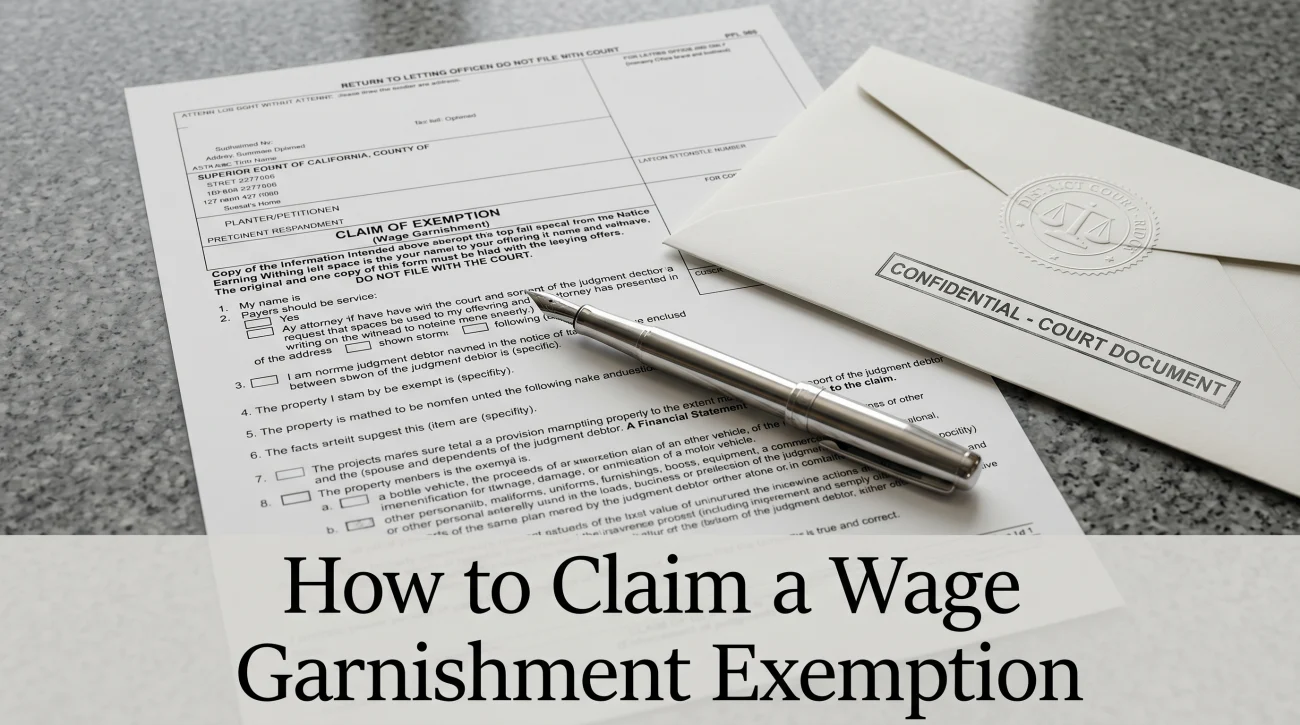
How to Claim a Wage Garnishment Exemption: The Forms, Deadlines, and What Happens Next

How To Claim Wage Garnishment Exemption

Filing a claim of exemption is a legal process requiring specific court paperwork submitted before a strict, non-negotiable deadline. The form alone is not a pause button. Your employer must continue payroll deductions until a judge officially rules in your favor. You can protect your paycheck by proving your income falls into a protected categorical … Read more

Debt Collectors in Small Claims Court: Why Most Cases End Up Here and What That Means for You

Small Claims Court Debt Collector

Most debt collection lawsuits are filed in small claims or justice courts because the filing fees are low and debt buyers expect you not to show up. Submitting a written response forces the debt buyer to prove their case with actual documentation, shifting the burden of proof back where it belongs. Small claims court is … Read more

How to Stop Debt Collector Calls: The Cease and Desist Letter That Actually Works

How To Stop Debt Collector Calls

You have the legal right under federal law to force a third-party debt collector to stop contacting you by sending a written cease and desist letter. Verbal requests over the phone rarely work because they leave no paper trail and do not trigger the automatic communication blocks in a collection agency’s software. Stopping the calls … Read more

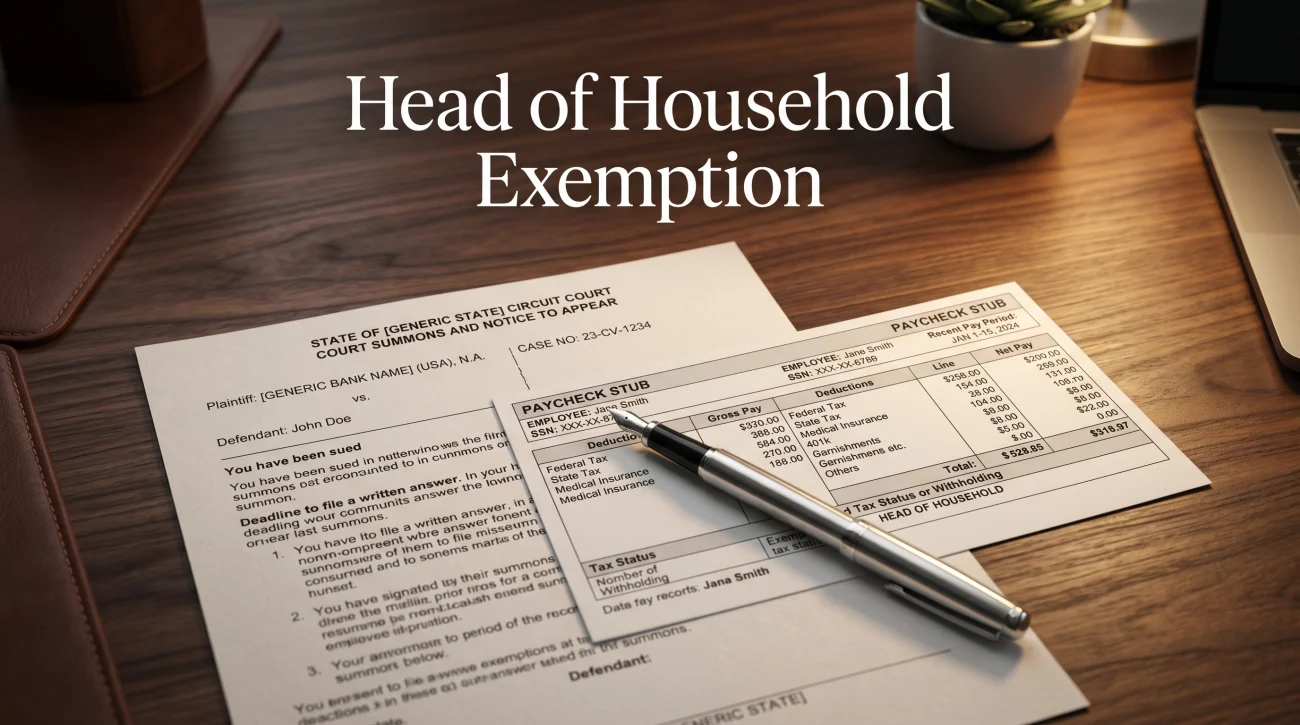
Head of Household Exemption from Wage Garnishment: Florida’s Strongest Wage Protection and the Waiver Trap

Head Of Household Exemption Wage Garnishment

The head of household exemption protects the wages of family breadwinners from being taken by judgment creditors. Florida offers the strongest version of this law in the country. In Florida, if you provide more than half the financial support for a dependent, 100% of your disposable earnings under $750 per week are completely exempt from … Read more

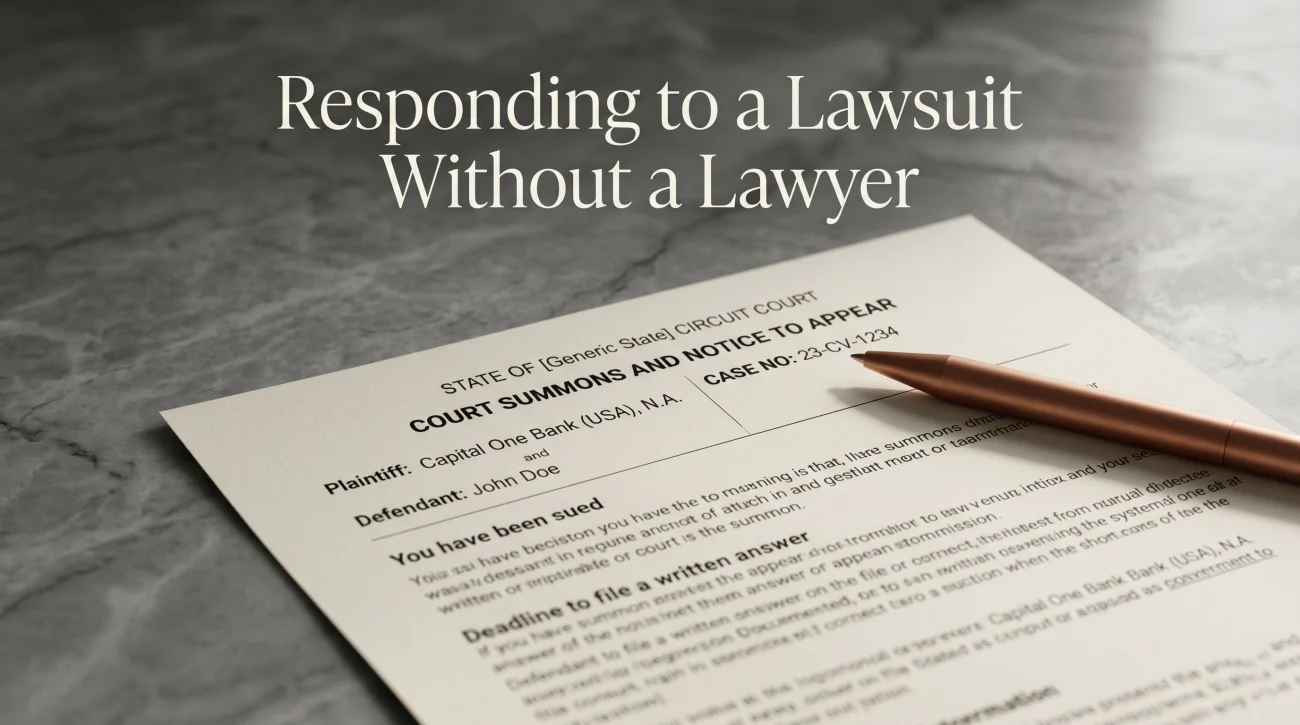
Responding to a Debt Collection Lawsuit Without an Attorney: What You Can Do Yourself

How To Respond To Debt Collection Lawsuit Without Attorney

Most defendants in debt collection cases represent themselves because they cannot afford an attorney. In standard debt buyer cases, this is a completely viable and effective path. Filing a basic written response prevents an automatic loss and forces the collector to prove their case with actual documentation. Self-representation works best in small claims courts, for … Read more

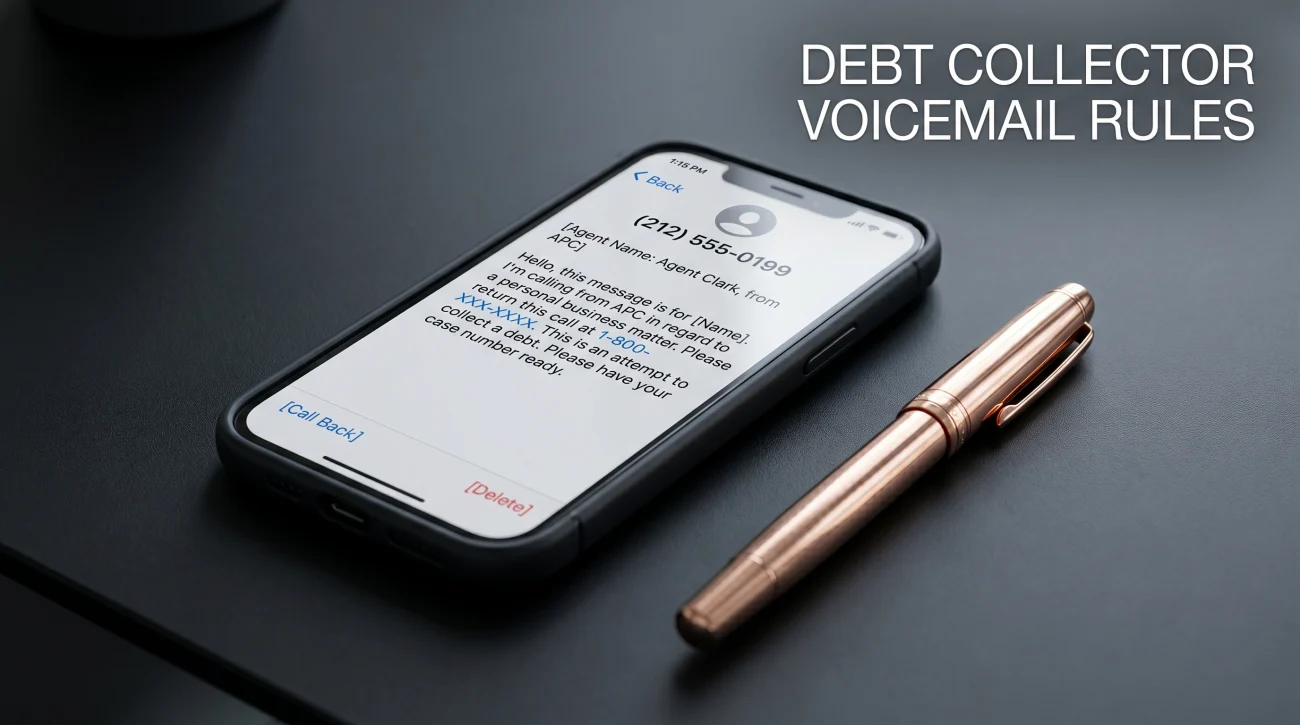
Debt Collector Voicemail Rules: What They’re Allowed to Leave (And What Violates the Law)

Debt Collector Voicemail Rules

A debt collector leaving a voicemail is bound by strict federal rules regarding what they must say and what they must keep secret. Every standard collection voicemail must include the “Mini-Miranda” disclosure, stating that the call is an attempt to collect a debt. If a collector leaves a detailed message and a third party hears … Read more

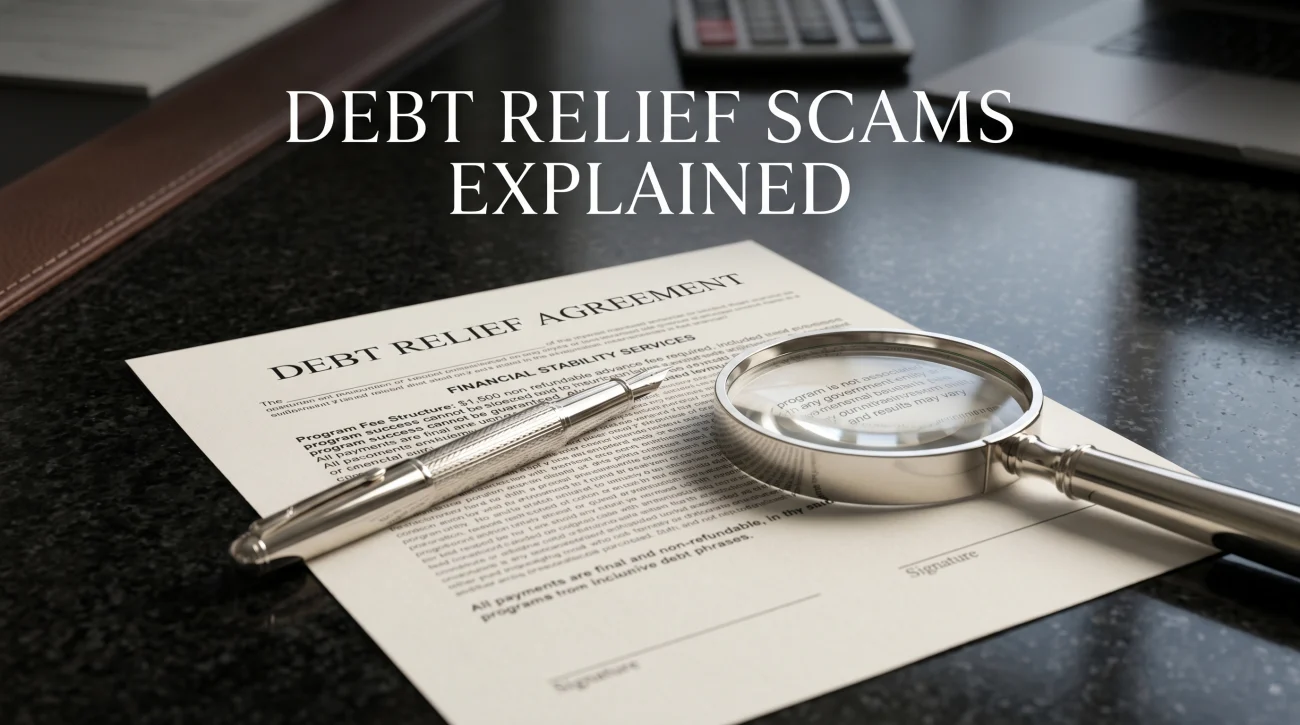
Debt Relief Scams: How to Spot Them Before You Pay and What the FTC Says About Legitimate Companies

Debt Relief Scams

The Upfront Fee Rule: Federal law (TSR) makes it illegal for any debt relief firm to charge you before they settle a debt. This is the single most effective “scam detector” you have. Manufactured Urgency: Scammers use scripts designed to trigger panic. If they claim a “government bailout” is expiring in 24 hours, they are … Read more

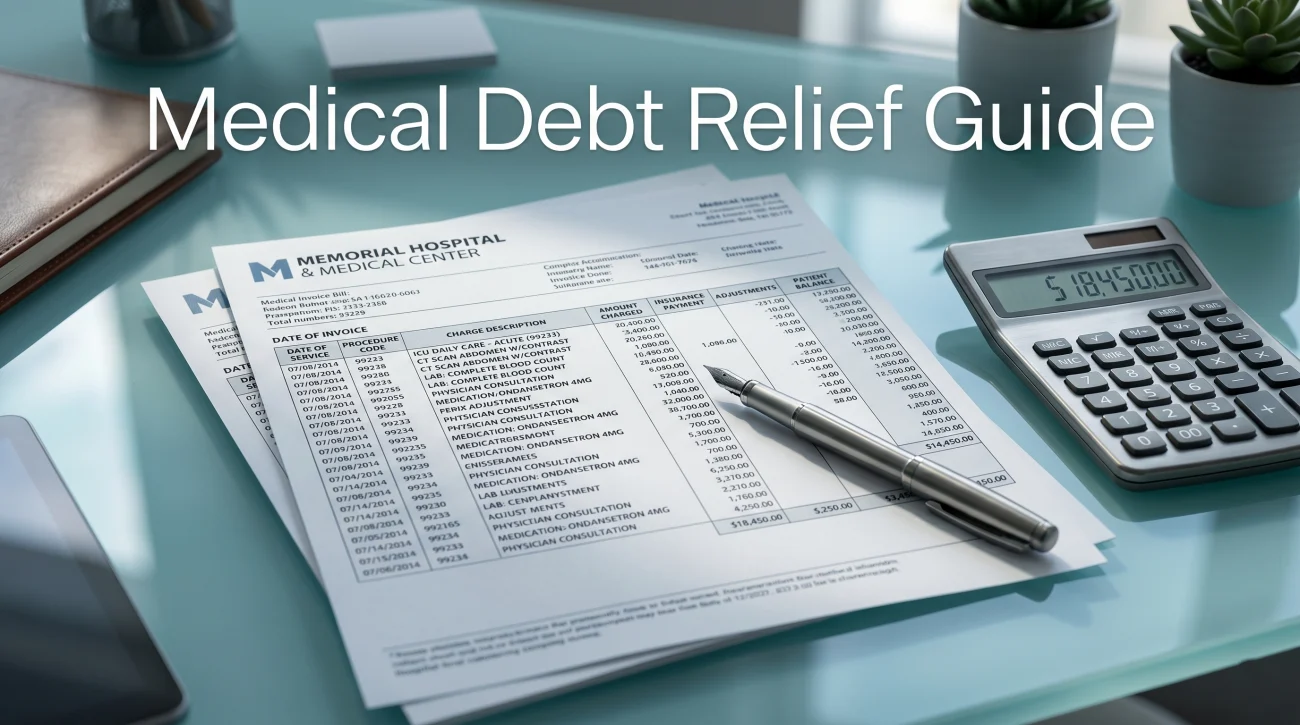
Medical Debt Relief: How to Negotiate Hospital Bills, What the 2025 Rules Changed, and What Actually Gets Forgiven

Medical Debt Relief

Medical debt is fundamentally different from credit card debt because most hospitals are required under their nonprofit status to offer financial assistance programs. The 2025 CFPB rule finalized the removal of medical debt from consumer credit reports, changing the leverage collectors have over you. Before paying any medical bill, always request an itemized statement with … Read more

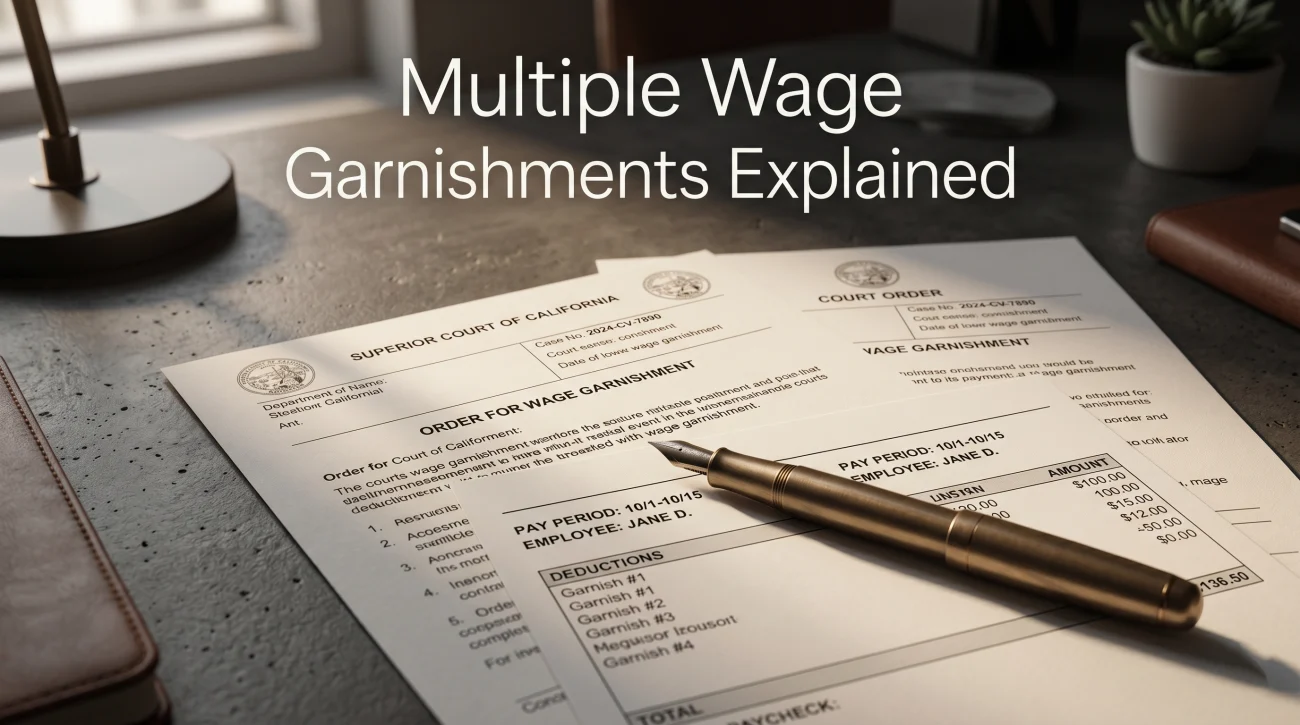
Multiple Wage Garnishments at the Same Time: Priority Rules and What Happens to Your Paycheck

Multiple Wage Garnishments

Priority rules dictate who gets paid first when multiple garnishments hit your paycheck. The type of debt always overrides the date the order was received. Child support and tax levies sit at the top of the priority ladder. Consumer debt judgments for things like credit cards or medical bills fall to the very bottom. Federal … Read more

Debt Collection Discovery Requests: The Request for Admissions Trap

Debt Collection Discovery Requests

Discovery is the formal process where both sides exchange information after an Answer is filed. Receiving a thick packet of questions from the collector’s attorney is standard procedure. The most dangerous document in that packet is the “Request for Admissions.” If you do not respond to these statements by the deadline, courts automatically accept them … Read more

Debt Collector Calling From Different Numbers: Why They Do It and What You Can Do

Debt Collector Calling From Different Numbers

The “Neighbor” Illusion: Collectors use local area codes to trick you into thinking it’s a local business calling; this is a calculated data-driven tactic to increase answer rates. Beyond Blocking: Agencies cycle through clean VOIP numbers faster than you can block them. Real progress starts with moving the conversation from the phone to a written … Read more