Debt Collector Adding Fees You Don’t Owe: What’s Permitted and What’s an FDCPA Violation
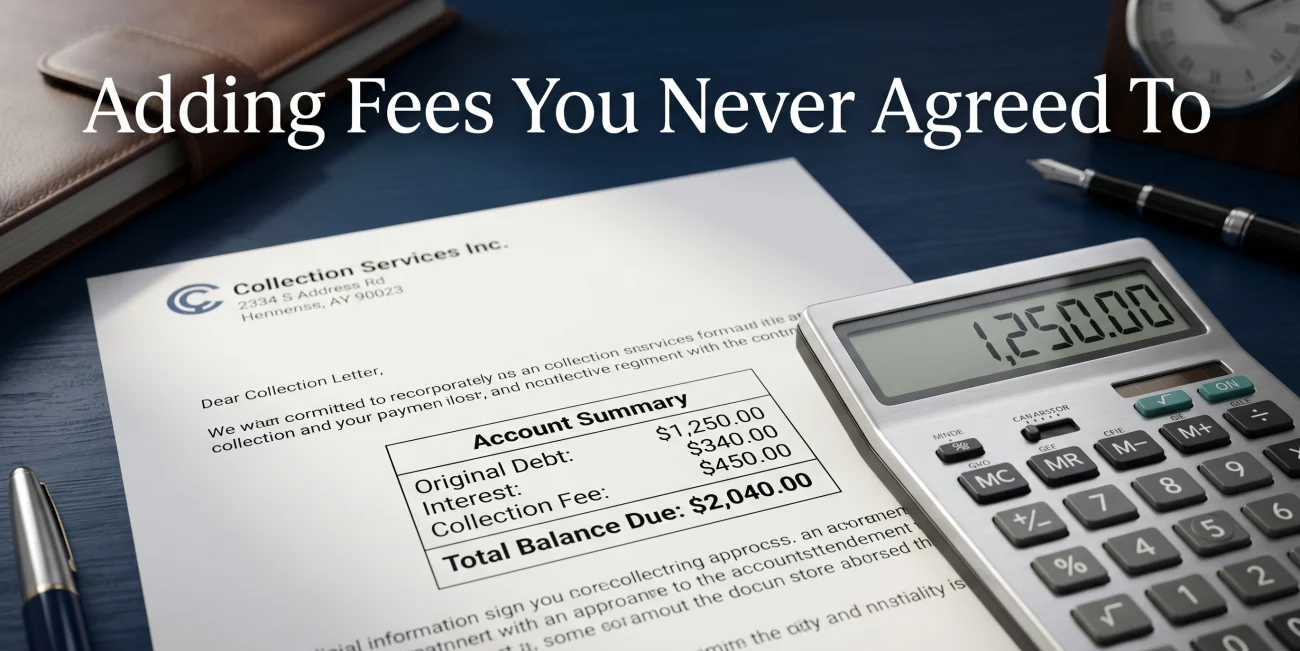
Debt Collector Adding Fees Not In Contract

Debt collectors can only charge fees or interest that were explicitly authorized by your original credit agreement or permitted by state law. Adding unauthorized charges like generic “collection fees” or “handling fees” is a direct violation of the Fair Debt Collection Practices Act (FDCPA). Debt buyers frequently purchase accounts without the original signed contract, meaning … Read more
How to Get a Debt Collection Lawsuit Dismissed: The Defenses That Close Cases Before Trial

How To Get Debt Collection Lawsuit Dismissed

Most consumers assume a debt lawsuit must end in either a judgment or a settlement, but a significant percentage of cases are dismissed entirely when challenged. A dismissal “with prejudice” is the ultimate goal because it permanently prevents the collector from ever suing you for that specific debt again. Debt buyers frequently file lawsuits with … Read more

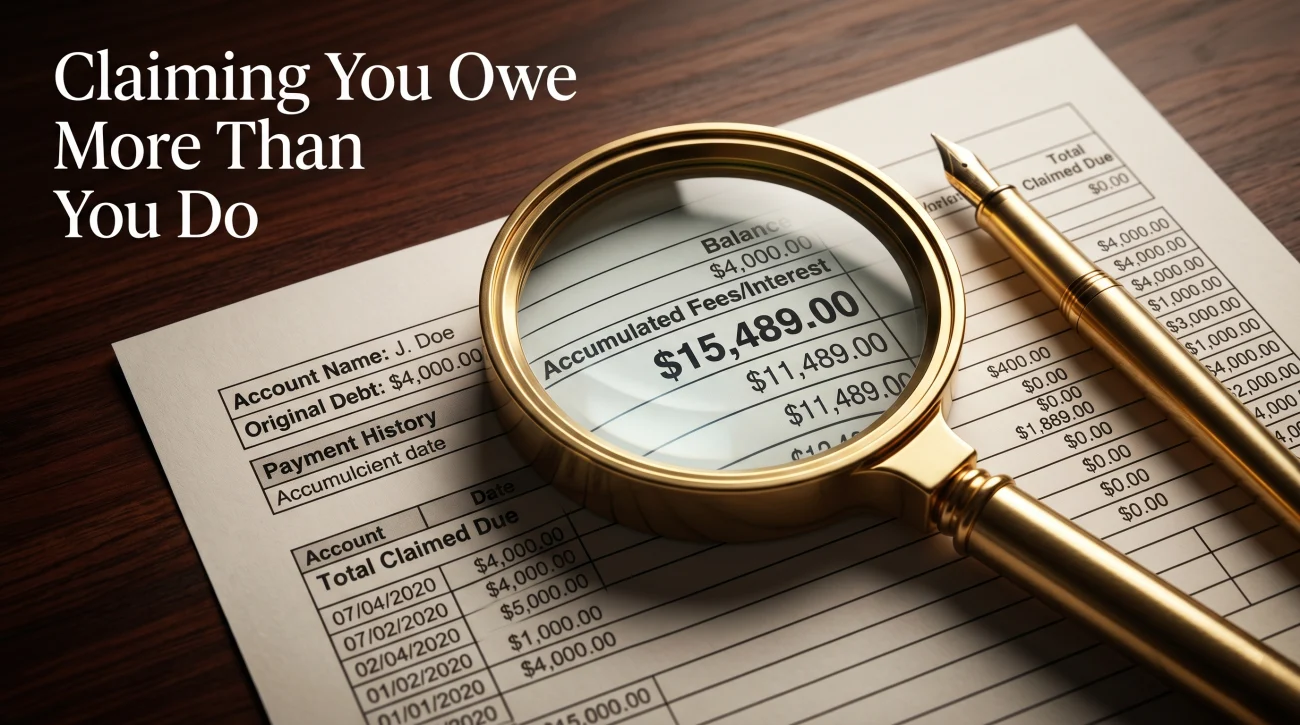
Debt Collector Claiming You Owe More Than You Do: Why This Happens and What to Do

Debt Collector Claiming You Owe More Than You Do

Discrepancies are usually a data problem: If a debt collector says you owe more than your records indicate, do not assume your memory is wrong. Debts are sold in bulk spreadsheets, and missing data frequently leads to inflated balances. Federal rules require accuracy: The legal framework governing debt collection does not give agencies a free … Read more

What Percentage Do Debt Collectors Actually Settle For – and Why the Answer Depends on Who Owns the Debt

What Percentage Do Debt Collectors Settle For

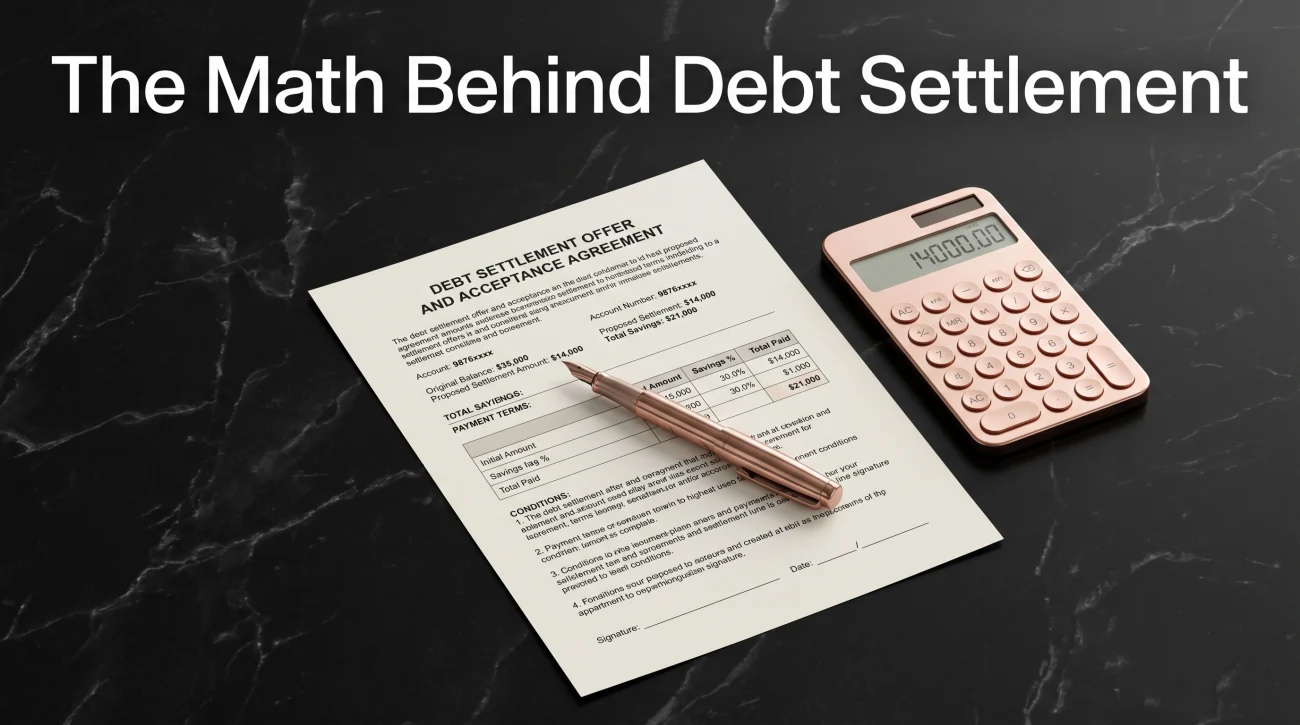
The percentage a collector will accept depends entirely on who owns the debt. Debt buyers who purchased your account for pennies on the dollar can settle for 30 percent and still make a massive profit. Original creditors are typically less flexible, often settling between 40 and 60 percent of the balance, while third-party debt buyers … Read more

Lack of Standing in Debt Collection Lawsuits: Why Debt Buyers Can’t Prove They Own Your Debt

Lack Of Standing Debt Collection Lawsuit

Standing is the legal right to bring a lawsuit. If a debt buyer cannot prove they legally own your specific account, they lack standing to sue you. Debt buyers purchase accounts in massive portfolios, often receiving only a spreadsheet rather than complete documentation, creating severe standing vulnerabilities. To establish standing, the plaintiff must prove an … Read more

Debt Collectors in Small Claims Court: Why Most Cases End Up Here and What That Means for You

Small Claims Court Debt Collector

Most debt collection lawsuits are filed in small claims or justice courts because the filing fees are low and debt buyers expect you not to show up. Submitting a written response forces the debt buyer to prove their case with actual documentation, shifting the burden of proof back where it belongs. Small claims court is … Read more

Debt Collection Lawsuit Deadline: How to Find Your Exact Response Date Before You Miss It

Debt Collection Lawsuit Deadline

The exact number of days you have to respond is almost always printed directly on the summons document, not the complaint. Generic state tables found online are dangerous because your deadline changes based on your specific court type and how the papers were delivered. The clock starts ticking on the day you were officially served, … Read more

What the Debt Collection Data Doesn’t Show: Six Things Every CFPB Report Leaves Out

What Debt Collection Industry Hides

The CFPB received approximately 207,800 debt collection complaints in 2024, but this number only captures what consumers actually know is wrong and take the time to report. The most consequential collection techniques, like manipulating a consumer into a statute of limitations reset, are completely invisible in regulatory complaint data. Compliance enforcement varies wildly across the … Read more