Responding to a Debt Collection Lawsuit Without an Attorney: What You Can Do Yourself
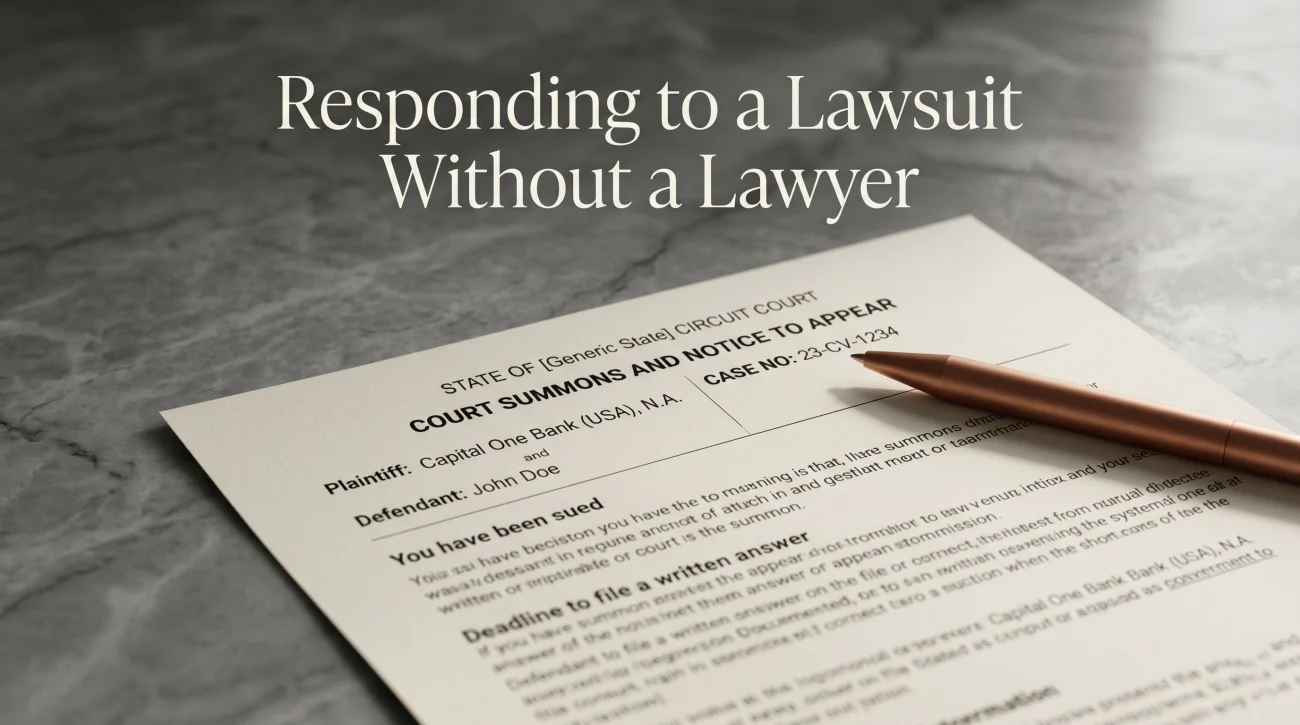
How To Respond To Debt Collection Lawsuit Without Attorney

Most defendants in debt collection cases represent themselves because they cannot afford an attorney. In standard debt buyer cases, this is a completely viable and effective path. Filing a basic written response prevents an automatic loss and forces the collector to prove their case with actual documentation. Self-representation works best in small claims courts, for … Read more
Debt Collection Discovery Requests: The Request for Admissions Trap

Debt Collection Discovery Requests

Discovery is the formal process where both sides exchange information after an Answer is filed. Receiving a thick packet of questions from the collector’s attorney is standard procedure. The most dangerous document in that packet is the “Request for Admissions.” If you do not respond to these statements by the deadline, courts automatically accept them … Read more

Debt Collection Lawsuit Court Hearing: What Actually Happens and How to Prepare

Debt Collection Lawsuit Court Hearing

Most debt collection hearings take place in small claims or justice courts, which are informal settings designed for people representing themselves, not formal jury trials. The collector’s attorney will likely approach you in the hallway before seeing the judge to push for a settlement. You do not have to accept their first offer. Debt buyer … Read more

Improper Service in a Debt Collection Lawsuit: When ‘Sewer Service’ Is Why You Never Got the Papers

Improper Service Debt Collection Lawsuit

Learning about a debt collection lawsuit for the first time through a frozen bank account or a wage garnishment often means you were a victim of “sewer service” or improper delivery of court papers. Process servers sometimes falsely certify that they delivered lawsuit papers when they actually dumped them or delivered them to an incorrect … Read more

What Happens After You File an Answer to a Debt Collection Lawsuit

What Happens After Answering Debt Lawsuit

Filing an Answer does not end the lawsuit, but it successfully prevents an automatic default judgment against you. Your case will generally take one of four paths next: a settlement offer, a court hearing, formal discovery, or a voluntary dismissal by the collector. Debt buyers frequently abandon lawsuits (voluntary dismissal) when a defendant responds, especially … Read more

General Denial in Debt Collection Lawsuits: What It Does, What It Doesn’t, and Why It’s Usually the Right Move

General Denial Debt Collection Lawsuit

A general denial does not mean you are claiming the debt is entirely fake. It is a legal mechanism that forces the collector to prove their claims with actual documentation. Filing a general denial shifts the burden of proof back to the plaintiff, preventing a default judgment and buying you time to build a complete … Read more

How to File an Answer to a Debt Collection Lawsuit: Where to Submit It and the Step Most People Miss

How To File Answer To Debt Collection Lawsuit

Filing your Answer requires two mandatory steps: submitting the original to the court and serving a copy directly to the collector’s attorney. If you only file with the court but fail to send a copy to the opposing law firm, your filing may be considered defective, leaving you vulnerable to a default judgment. Most courts … Read more

How to Write an Answer to a Debt Collection Lawsuit: What to Include and What Protects You

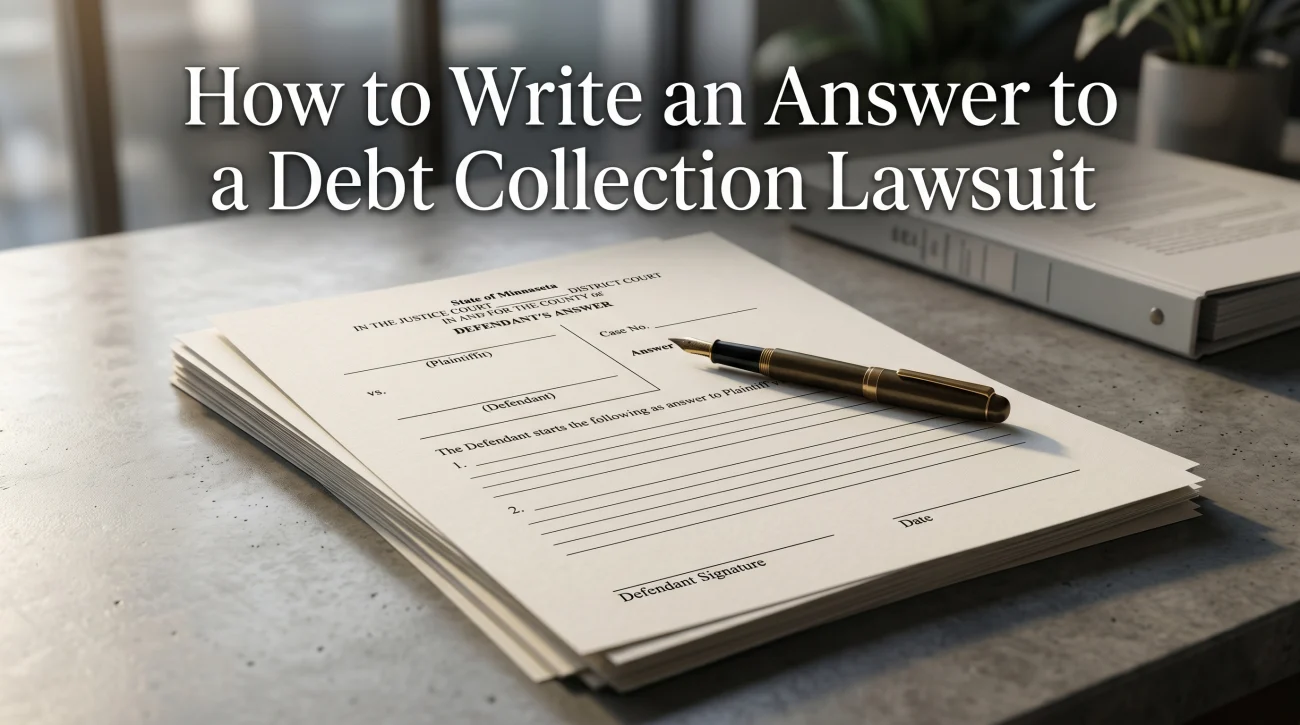
How To Write Answer To Debt Collection Lawsuit

Your Answer is the legal document that formally addresses the collector’s claims and stops them from winning automatically. It does not need to be a complex legal brief. For every numbered paragraph in the collector’s Complaint, you have three valid response options: Admit, Deny, or state that you lack sufficient information to admit or deny. … Read more

What Is a Debt Collection Summons: The Two Documents You Received and What Each One Requires

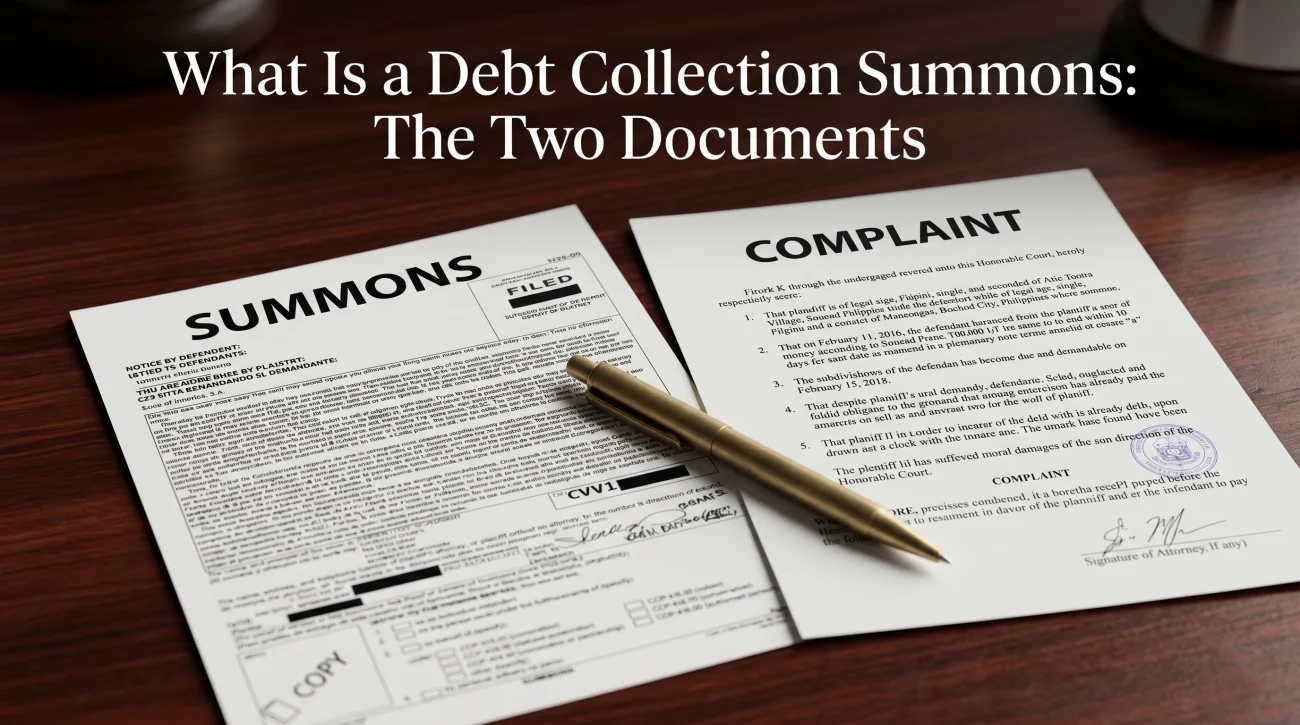
What Is A Debt Collection Summons

The court papers you received are actually two separate documents stapled together: the Summons and the Complaint. The Summons is the court’s procedural notice. It dictates the exact deadline you have to respond. You must look here to find out how much time you have. The Complaint is the collector’s list of allegations. In cases … Read more

Debt Collection Lawsuit Deadline: How to Find Your Exact Response Date Before You Miss It

Debt Collection Lawsuit Deadline

The exact number of days you have to respond is almost always printed directly on the summons document, not the complaint. Generic state tables found online are dangerous because your deadline changes based on your specific court type and how the papers were delivered. The clock starts ticking on the day you were officially served, … Read more

How to Respond to a Debt Collection Lawsuit: The Answer and What It Actually Accomplishes

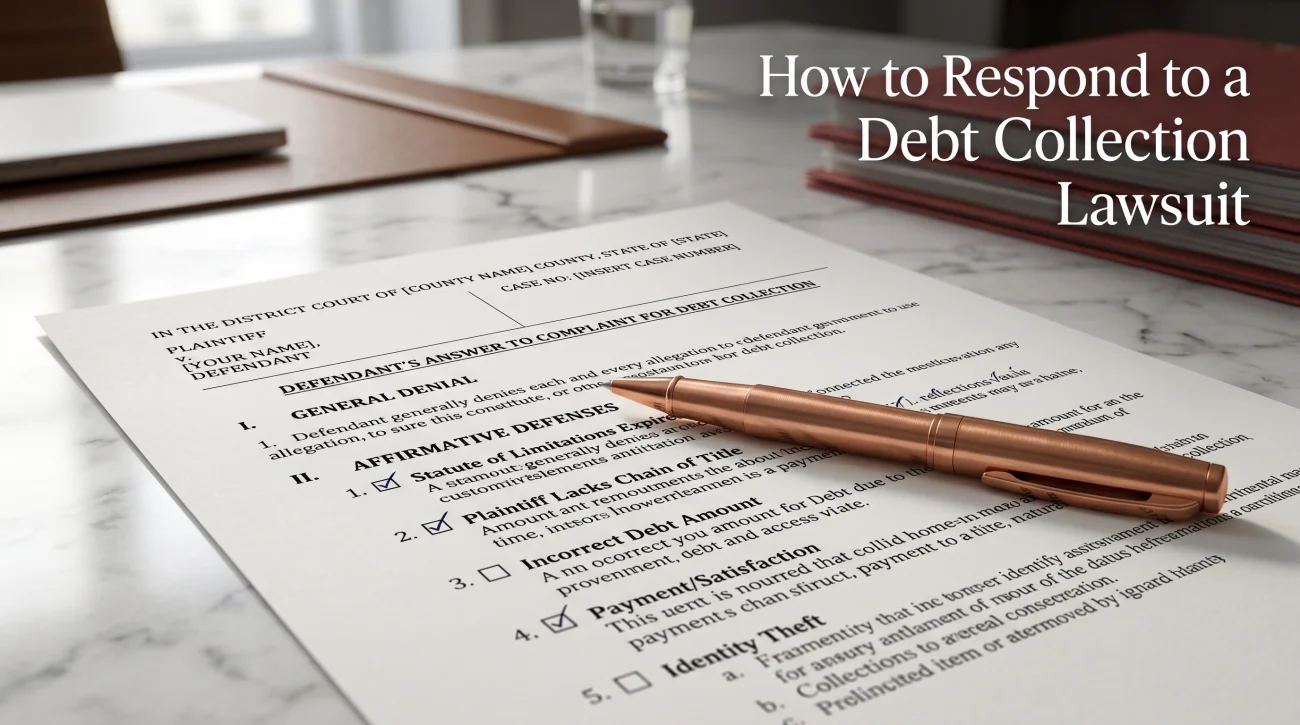
How To Respond To A Debt Collection Lawsuit

The Answer is the official legal document you file to contest a debt collection lawsuit and prevent an automatic loss. Filing an Answer forces the debt collector to prove they own the debt and the amount is accurate, which many debt buyers struggle to do. You must find the deadline on your summons, as you … Read more