Bankruptcy and Wage Garnishment: How the Automatic Stay Works

Bankruptcy Stop Wage Garnishment

Filing for bankruptcy triggers an automatic stay, a federal injunction that legally stops most wage garnishments the exact second your petition is filed. While the protection is immediate, your employer does not magically know about it. You or your attorney must actively notify your payroll department with your bankruptcy case number to stop the next … Read more

Received a Wage Garnishment Notice: What It Means and What You Must Do Before the Window Closes

Wage Garnishment Notice

The clock is already ticking. You typically have 20 days or less to respond to a wage garnishment notice before your options severely narrow. Your employer often receives the legal order before you do. In many cases, the notice arrives around the exact same time your first paycheck is reduced. Filing a claim of exemption, … Read more

How to Claim a Wage Garnishment Exemption: The Forms, Deadlines, and What Happens Next

How To Claim Wage Garnishment Exemption

Filing a claim of exemption is a legal process requiring specific court paperwork submitted before a strict, non-negotiable deadline. The form alone is not a pause button. Your employer must continue payroll deductions until a judge officially rules in your favor. You can protect your paycheck by proving your income falls into a protected categorical … Read more

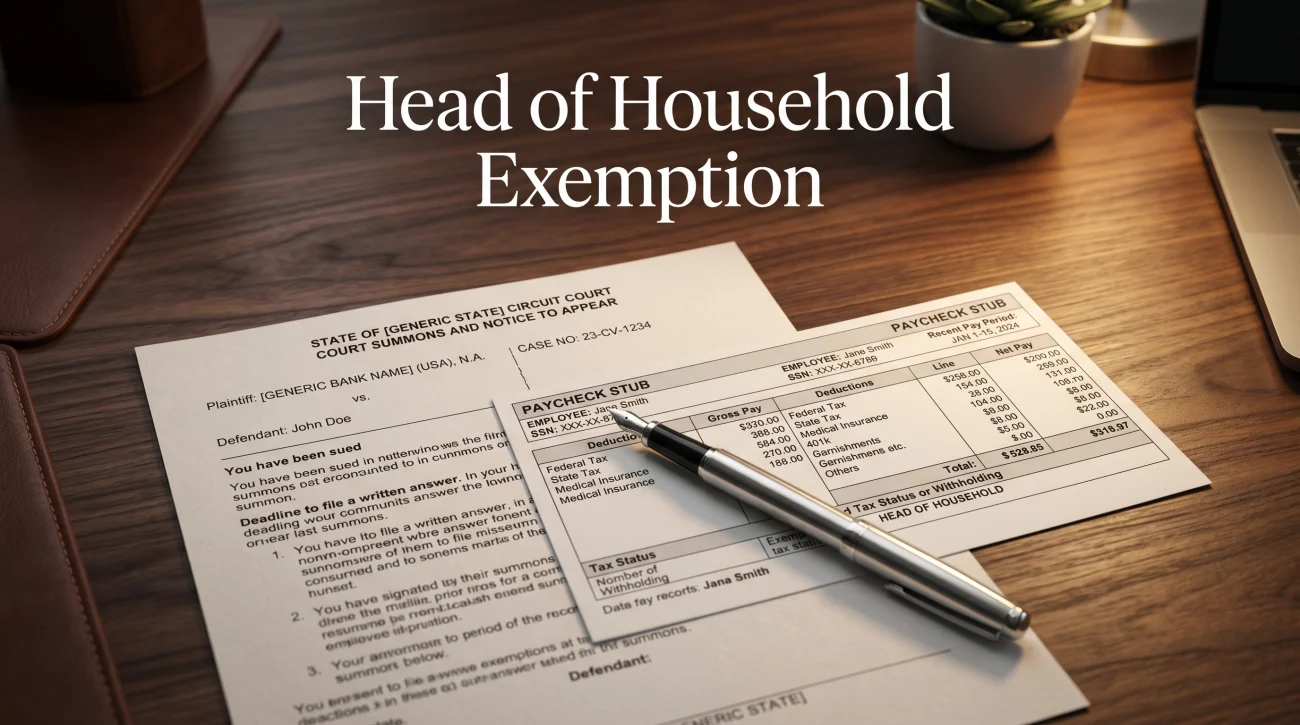
Head of Household Exemption from Wage Garnishment: Florida’s Strongest Wage Protection and the Waiver Trap

Head Of Household Exemption Wage Garnishment

The head of household exemption protects the wages of family breadwinners from being taken by judgment creditors. Florida offers the strongest version of this law in the country. In Florida, if you provide more than half the financial support for a dependent, 100% of your disposable earnings under $750 per week are completely exempt from … Read more

Can Your Employer Fire You for Wage Garnishment? The One-Debt Rule

Can Employer Fire You For Wage Garnishment

Federal law protects your job if your wages are garnished for a single debt, regardless of how many times a creditor attempts to levy that specific debt. This protection disappears the moment your employer receives a garnishment order for a second, separate debt. The law protects you from being fired, but courts have also ruled … Read more

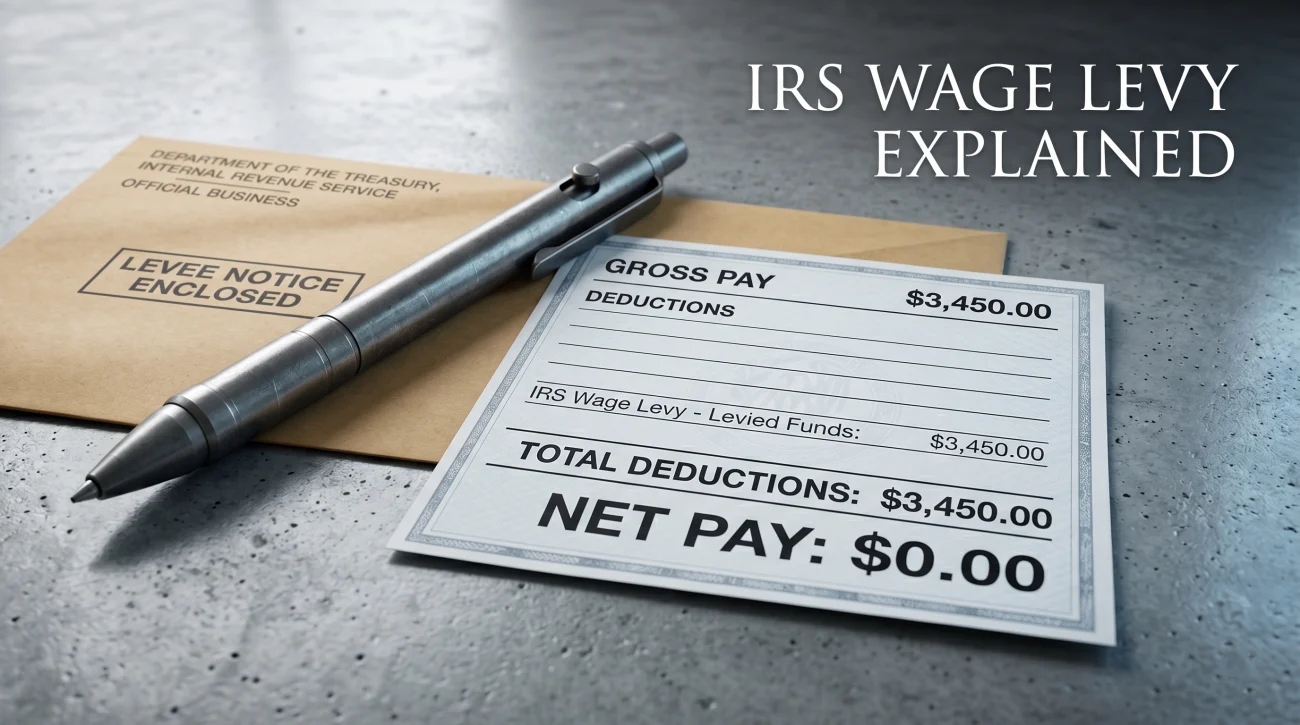
IRS Wage Levy: Why It’s Different and How the IRS Can Take Almost Everything

Irs Wage Levy

An IRS wage levy does not require a court order or a lawsuit. The agency can order your employer to withhold wages administratively without ever taking you to a judge. Unlike consumer debt collection, the IRS is not bound by the 25 percent garnishment cap. They use a fixed exemption table that can legally take … Read more

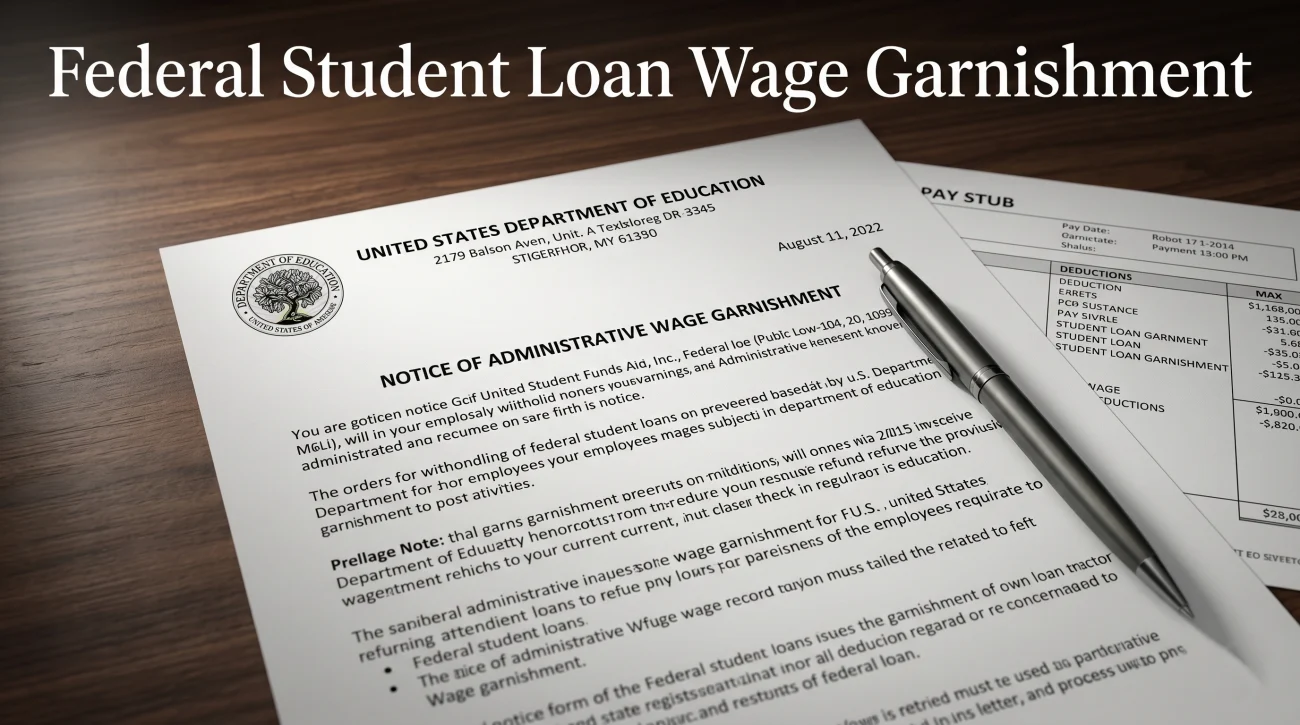
Federal Student Loan Wage Garnishment: How Administrative Garnishment Works and Why 2025-2026 Changes Everything

Federal Student Loan Wage Garnishment

The Department of Education does not need a court judgment to garnish your wages. They use an administrative process that bypasses the local court system entirely. Federal student loan garnishment is limited to 15 percent of your disposable earnings, which is lower than the standard limit for consumer debts. You have exactly 30 days from … Read more

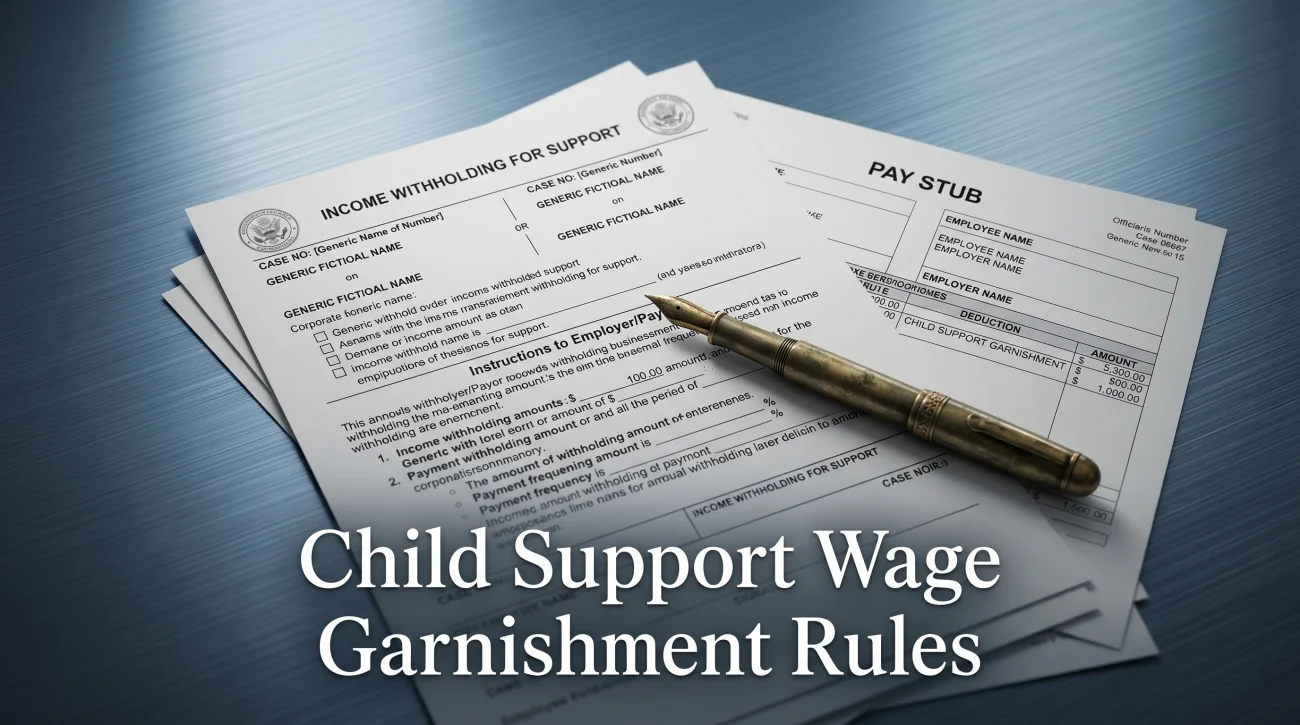
Child Support Wage Garnishment: Why the Rules Are Different – and What You Can Actually Do

Child Support Wage Garnishment

Child support wage garnishment does not require a court lawsuit or a trial to begin; an Income Withholding Order is issued automatically by state agencies. Federal law allows child support to take up to 65 percent of your disposable earnings, which is drastically higher than the 25 percent limit for standard consumer debts. Filing for … Read more