
- When you enroll in debt settlement, your money goes into an FDIC-insured escrow account in your own name, not the company’s bank account.
- You must intentionally stop paying your enrolled creditors to force accounts into delinquency, which is the only way to create leverage for negotiation.
- No settlement is finalized or paid out until you personally review and approve the specific terms of the agreement.
- Legitimate companies only charge their fee after a specific debt is settled and you have made the first payment toward that settlement.
The Reality of the Settlement Machine
Most people assume that when you sign up for a debt settlement program, you are handing your money over to a company, crossing your fingers, and giving up control. From my years working inside the collection industry, I know this fear is exactly what keeps people stuck in unpayable debt cycles.
The truth is, you do not surrender your money or your veto power. You are simply hiring a negotiator to execute a specific, highly regulated strategy. This is not a magic trick. It is a mechanical process driven by the cold, hard math of the collection industry.
If you are evaluating different debt relief options, knowing what happens behind the scenes is critical. Here is exactly what you are committing to, where your money goes, and how a “settled” account actually comes to be.
Step 1: Enrollment and the Power of Attorney
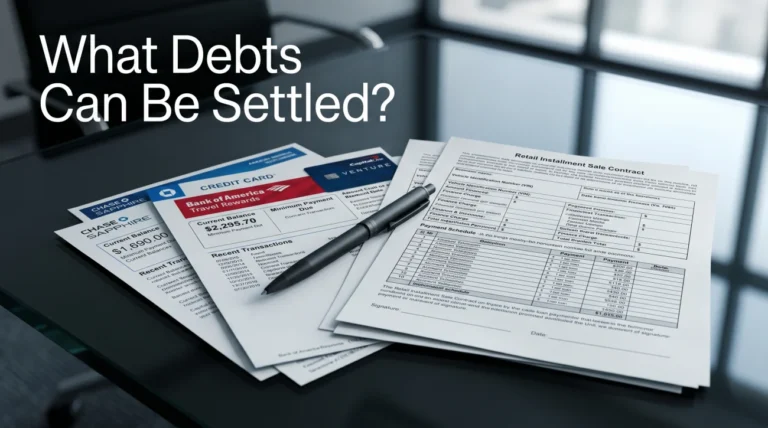
The debt settlement process begins with a detailed inventory of what you owe. Not all debts belong in a settlement program. When you speak with an enrollment specialist, they are looking specifically for unsecured debt.
This includes credit cards, medical bills, personal loans, and certain private student loans. It does not include auto loans, mortgages, or federal student loans. From reviewing thousands of collection files, I have seen consumers try to hide a car loan in a settlement program. It never works. Secured creditors simply ignore the settlement offer and repossess the vehicle, because they have collateral to fall back on.
Once your eligible debts are identified (typically requiring a minimum of $7,500 to $10,000 in total balances), you sign an agreement. The most misunderstood document in this stack is the limited power of attorney (POA). Its scope is very narrow. It simply grants the settlement company the legal authority to communicate with your creditors and negotiate on your behalf. It does not give them the power to take out new loans in your name or drain your personal checking account.
Simultaneously, the settlement company will send a letter of representation to your enrolled creditors, officially notifying the banks and debt collectors that they are working with a third party.
Step 2: The Escrow Account and Who Controls the Money
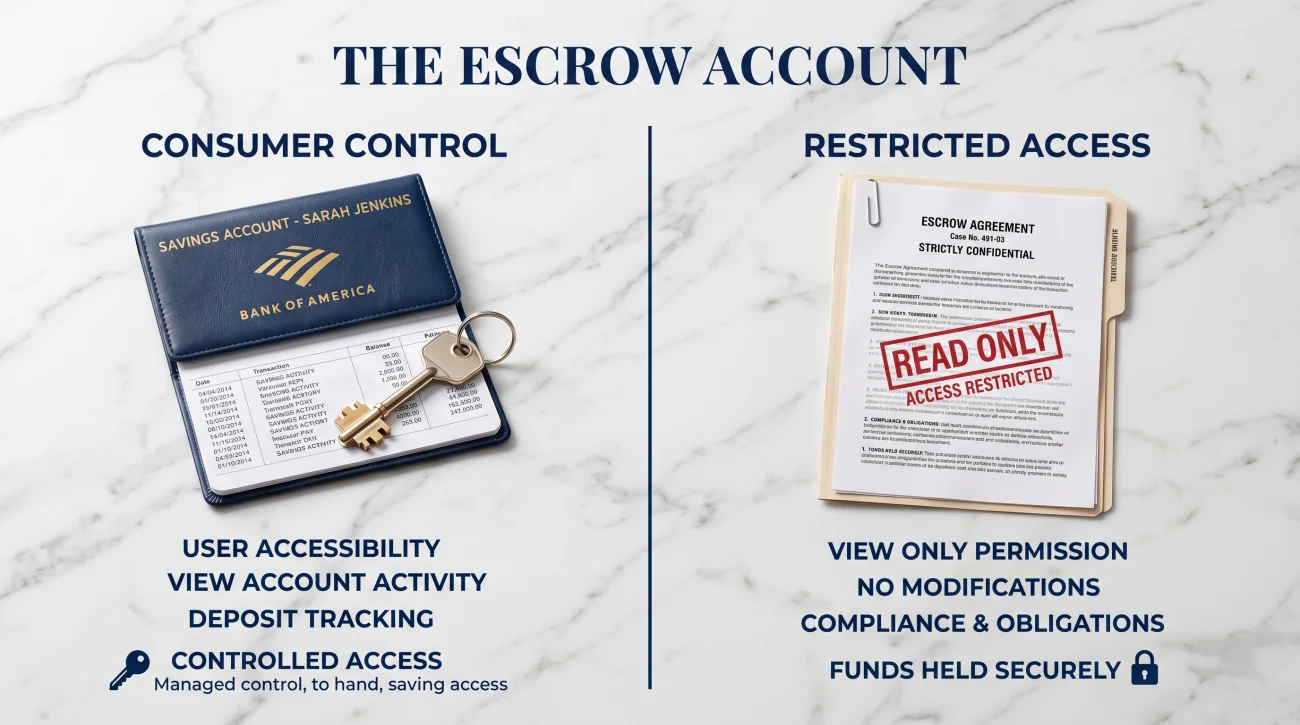
This is where the biggest mental hurdle exists for consumers. You do not write a monthly check to the settlement company. Instead, you make a monthly deposit into a dedicated escrow account.
This account is opened in your name at an FDIC-insured banking institution. You are the sole account holder. The settlement company cannot withdraw funds from this account to pay their operating costs. Their access is strictly limited: they can only direct funds to be released when a settlement has been officially reached with a creditor, and when you have approved it.
💡 Pro Tip: Because the escrow account is yours, the funds inside it belong to you. If your financial situation changes drastically in month six and you need to cancel the program, you can. You will receive the balance of your escrow account back, minus any fees that were already earned on debts that have already been fully settled.
This structural safeguard protects you from debt relief scams where operations take your monthly payments, pocket the cash, and disappear. The accumulation of funds in this account is the fuel that will eventually power your negotiations.
Step 3: The Stop-Payment Phase and Delinquency
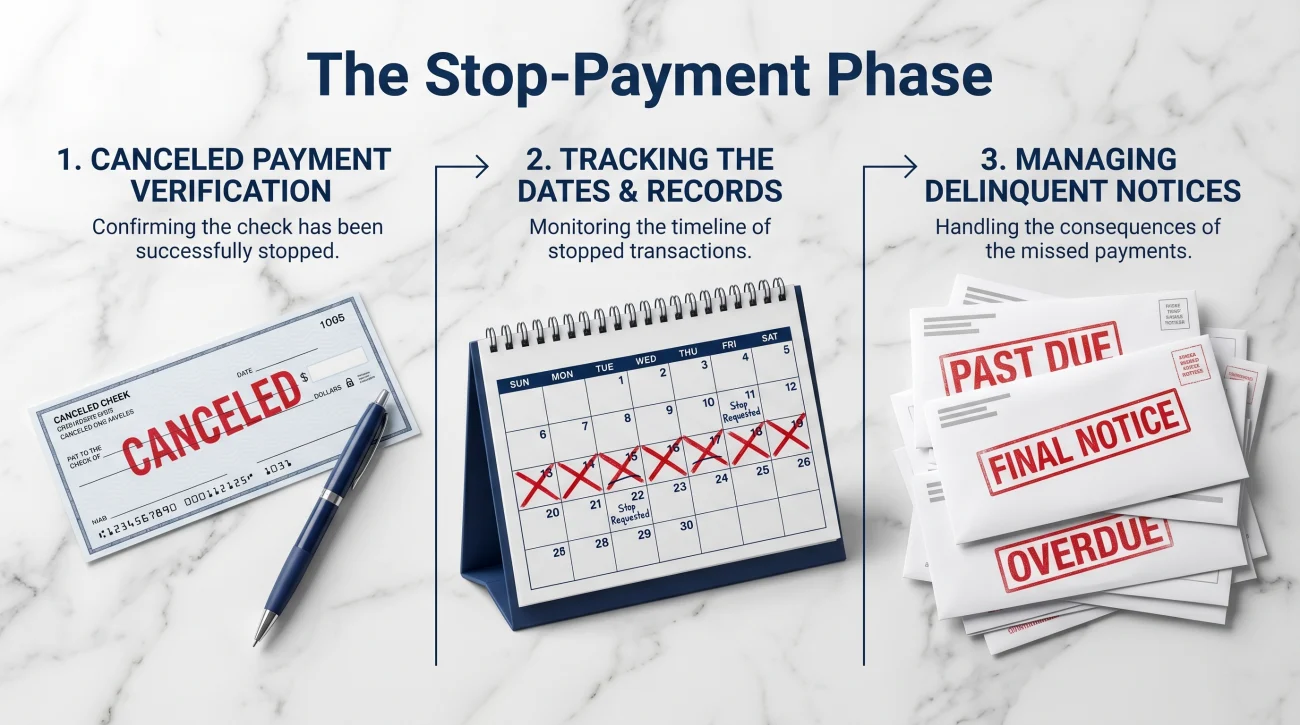
This is the step that makes most people panic, but it is the mechanical core of the entire process. To settle a debt for less than you owe, you must stop paying the creditor. You cannot negotiate a 50% reduction on a credit card while you are still making the $150 minimum monthly payment.
Why? Because as long as you are making payments, the bank considers you a performing customer. They have zero incentive to take a loss.
“When I managed a team on the agency floor, our system logic was rigid. If an account was only 30 or 60 days past due, my screen literally would not allow me to input a settlement offer of 50%. The bank’s policy dictated that the consumer had to be deeply delinquent, usually past the 120-day mark, before the real discounts unlocked. We had to know the consumer was truly out of money before we could negotiate.”
By intentionally stopping your payments and redirecting that money into your escrow account, you force the accounts into delinquency. This creates the leverage the settlement company needs. Understanding how long debt settlement takes requires accepting that the first 6 to 12 months are often quiet on the settlement front while the accounts age into the optimal negotiation window.
This phase is psychologically brutal. Your credit score will drop significantly, late fees will accrue, your balances will temporarily grow, and the collection calls will intensify.
As an industry insider, my advice on handling those calls is simple: you are not legally required to answer them. If you do pick up, calmly state that you are represented by a settlement firm, tell them to refer to the representation letter, and hang up the phone. You do not need to argue or explain your hardship to a frontline collector.
Step 4: The Negotiation Phase
Once your accounts have reached the right level of delinquency, the active negotiation begins. The settlement company monitors your escrow balance and times their offers accordingly.
Say you have a $5,000 credit card debt. In month 14, you have accumulated $2,500 in your escrow account. The settlement company approaches the debt collector who now owns that specific account.
They might open the negotiation at $1,500 (30% of the balance). The collector counters at $3,500. Through back-and-forth communication, they eventually land on an agreed figure of $2,250 (45%). The collector agrees to accept this amount as satisfaction in full and agrees to stop all collection efforts.
Because the settlement company does this every day, they know the specific threshold of every major bank and debt buyer. While exact percentages fluctuate based on the economy, the industry pattern is very clear: an original creditor might draw a hard line around 50% to 60%, while a third-party debt buyer who bought your account for pennies routinely accepts 35% or less. They use this data to target the most vulnerable accounts first.
Step 5: Your Approval and the Final Agreement
The settlement company cannot simply wire your money to a collector just because they think they got a good deal. When a tentative agreement is reached, the company will present it to you. They will show you the original balance, the negotiated amount, the percentage saved, and the timeline for payout. You must authorize the release of funds.
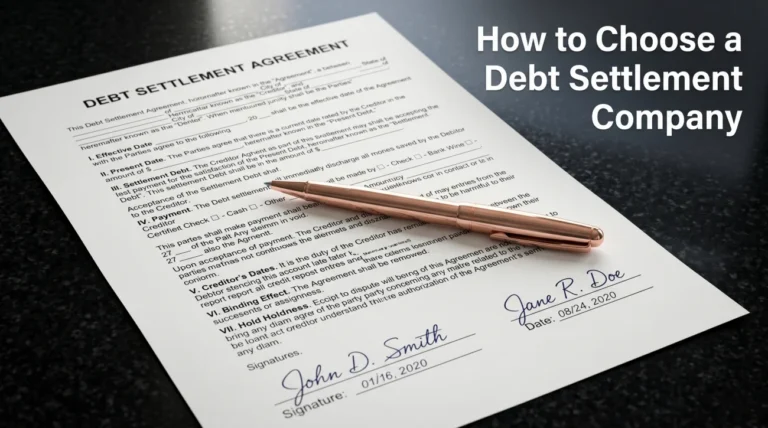
Furthermore, no legitimate settlement is ever paid on a verbal promise. The settlement company will secure a binding written agreement from the creditor before a single dollar moves from your escrow account.
Standard Settlement Agreement Language:
“Upon receipt of the agreed settlement amount of $2,250, Creditor agrees that the account will be considered settled in full. No further collection action will be taken by Creditor or its assigns. The remaining balance will be forgiven, and the account status will be updated with the major credit bureaus as ‘Settled for less than the full balance.'”
Only after this document is generated and you have approved the terms does the money leave your account.
Step 6: When the Fee is Actually Charged
The debt settlement industry is heavily regulated by the Federal Trade Commission (FTC). The most important rule in this industry is the prohibition on upfront fees. It is illegal for a debt settlement company to charge you a fee before they have successfully settled a debt.
The fee is performance-based, typically calculated as a percentage of your enrolled debt (usually ranging from 15% to 25%).
The fee is only deducted from your escrow account after three things have happened: the settlement has been reached, the written agreement has been signed, and you have made at least one payment toward that specific settlement. Knowing what to look for in a legitimate debt settlement company heavily relies on verifying that their contract explicitly adheres to this federal fee structure.
Step 7: The Aftermath and Credit Recovery
As each account is settled and paid, the monthly deposit that was feeding the escrow account continues to build up, rolling over to attack the next largest debt. Eventually, all enrolled accounts are resolved.
The creditors report the accounts to the credit bureaus as settled with a zero balance. While the negative history remains on your credit report for seven years, the zero balance drastically improves your credit utilization ratio, allowing scores to gradually recover.
There is also the matter of the IRS. When a creditor forgives $600 or more of a balance, they send you a 1099-C tax form, and the IRS generally considers that forgiven amount as taxable income. However, most settlement clients do not end up paying taxes on this. Why? Because of the IRS insolvency exclusion.
If your total liabilities (what you owed) exceeded the fair market value of your total assets at the time of the settlement, you can legally exclude that forgiven debt from your taxable income. For a complete breakdown of how this calculation works, read our guide on how the 1099-C and insolvency exclusion impact settled debt.
Signs a Company Is Not Operating as Described
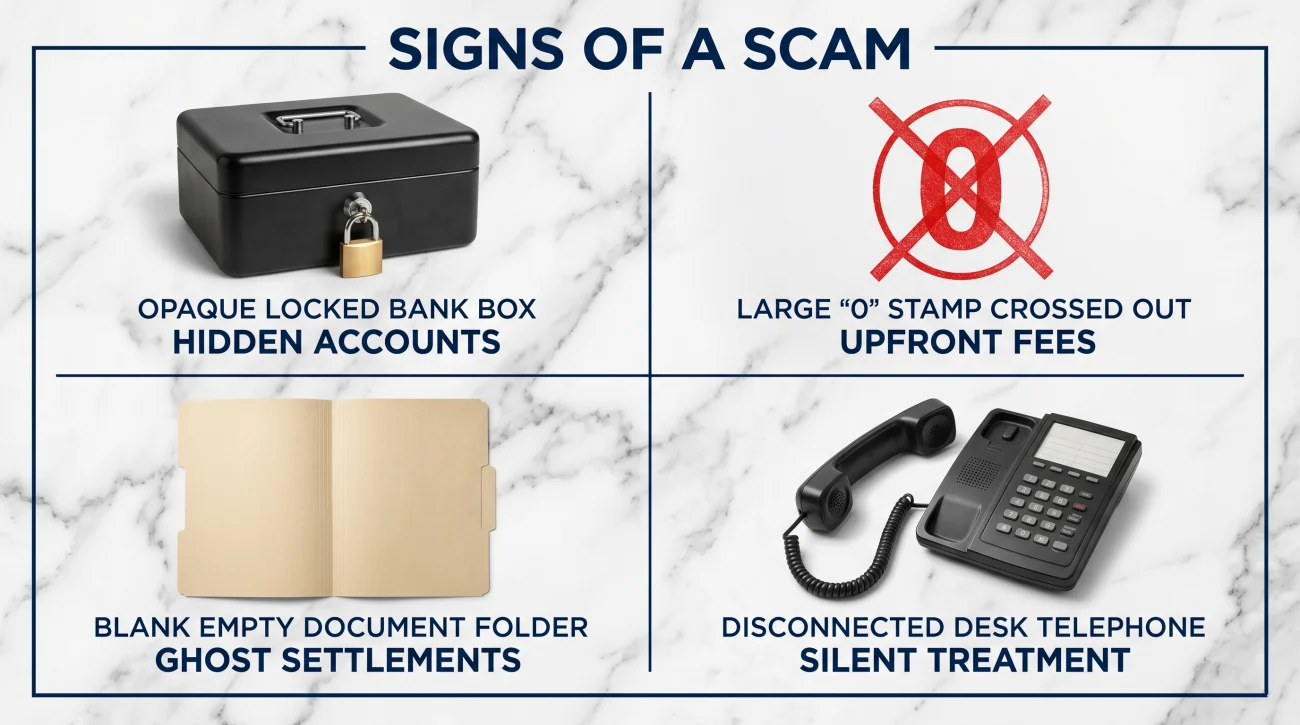
The process outlined above is how legitimate, compliant companies operate. Unfortunately, there are bad actors in the space who prey on financial desperation. You must be vigilant about how the mechanics are handled.
- ⚠️ The bank account is opaque: The company tells you they are holding the funds, but they cannot provide you with a direct login or bank statement for an escrow account in your specific name.
- ⚠️ The fees happen first: They structure the contract so that your first six months of payments go entirely to their “administrative setup” before any money is saved for actual settlements.
- ⚠️ The ghost settlements: They claim an account is settled but cannot or will not produce the written settlement letter from the creditor to prove the debt is actually resolved.
- ⚠️ The silent treatment: You have been enrolled for well over 18 months, your escrow account is fully funded, but no settlements have been proposed and customer service evades your questions.
If you experience any of these red flags, you are dealing with the classic signs of a debt relief scam. You need to evaluate alternatives immediately. If you are ready to look at vetted organizations that follow the FTC guidelines, start by comparing highly rated debt settlement companies to see which one fits your specific debt profile.
Final Thoughts: The Exchange of Leverage
A debt settlement program is not a painless process. It is a grind. But when you understand the mechanics behind it, the anxiety dissipates. You are trading short-term credit damage for long-term financial reset.
By starving the accounts of payments to create leverage, and by retaining control of your escrow account, you ensure that the process works for you, not against you. The collection industry relies on consumer confusion; understanding this step-by-step reality is your ultimate defense. Now that you know exactly how the mechanics work, you are ready to safely evaluate compliant companies and take the next step toward resolving your accounts.
❓ FAQ
⏱️ How long does the debt settlement process typically take?
A standard program runs between 24 and 48 months. The timeline depends entirely on how much debt you have enrolled and the size of your monthly deposit into the escrow account.
💳 Can I still use my credit cards while enrolled in the program?
No. Once you stop making payments to force the negotiation leverage, the creditors will close those accounts to new purchases. You will need to operate using cash or a debit card during the program.
⚖️ Can a creditor still sue me during the settlement process?
Yes. Because you stop making payments, creditors retain their legal right to file a lawsuit. Legitimate programs factor this risk into their strategy and will prioritize settling litigious accounts quickly to avoid court.
📞 What exactly should I say when a debt collector calls me?
Keep it brief: “I am working with [Company Name] to resolve this account. Please direct all future communication to them.” Do not argue about the balance or explain your financial hardship. State your representation and hang up.
🛑 Can I cancel a debt settlement program if I change my mind?
Yes. You can exit the program at any time. You will receive the remaining balance of your escrow account, minus any fees already earned by the company for debts they have successfully settled.
🤝 Should I just try to negotiate these settlements myself?
If you only have one or two small accounts, negotiating yourself is highly viable. However, if you are juggling multiple large accounts with aggressive original creditors, the established leverage and data that a professional firm brings can save you significant time and stress.
Relief options exist alongside the collection process. These explain both sides.
- The options for resolving debt outside of continued collection
- Debt Relief Scams: How to Spot Them Before You Pay and What the FTC Says About Legitimate Companies
- How to Pay Off Credit Card Debt: A Working Plan Based on What You Can Actually Afford
- Balance Transfer Cards for Debt: The 0% APR Strategy
- Debt Snowball vs Debt Avalanche: Which Pays Off Debt Faster - and Which One You'll Actually Finish
Some of these have deadlines attached. Start here if something is already happening.
- What collectors can legally do to you while a settlement program is running
- How to handle a lawsuit on a debt you are actively trying to settle
- What happens to a garnishment order when debt relief is in progress
- How bank levies interact with the debt you are trying to resolve
- How professional settlement programs work and what they actually cost
Disclosure: The content on this site reflects direct experience inside the debt collection industry and is grounded in federal law and regulation. It is informational in nature. Reading it does not constitute legal advice and does not create any professional relationship. If you are dealing with a lawsuit, a judgment, or a legal deadline, consult a licensed attorney in your state before acting.