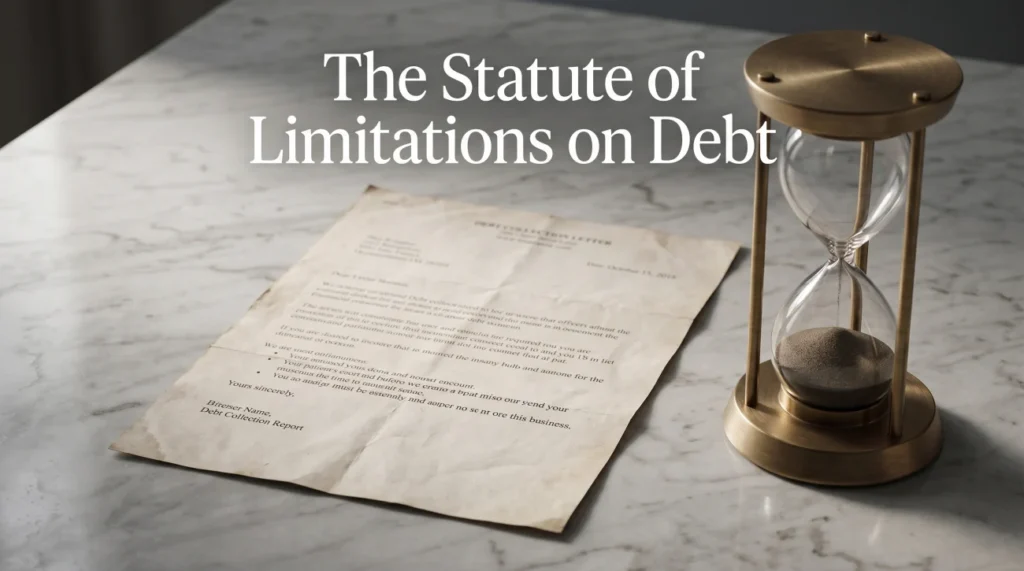
- The statute of limitations (SOL) sets a strict legal time limit on how long a debt collector has to sue you for an unpaid debt.
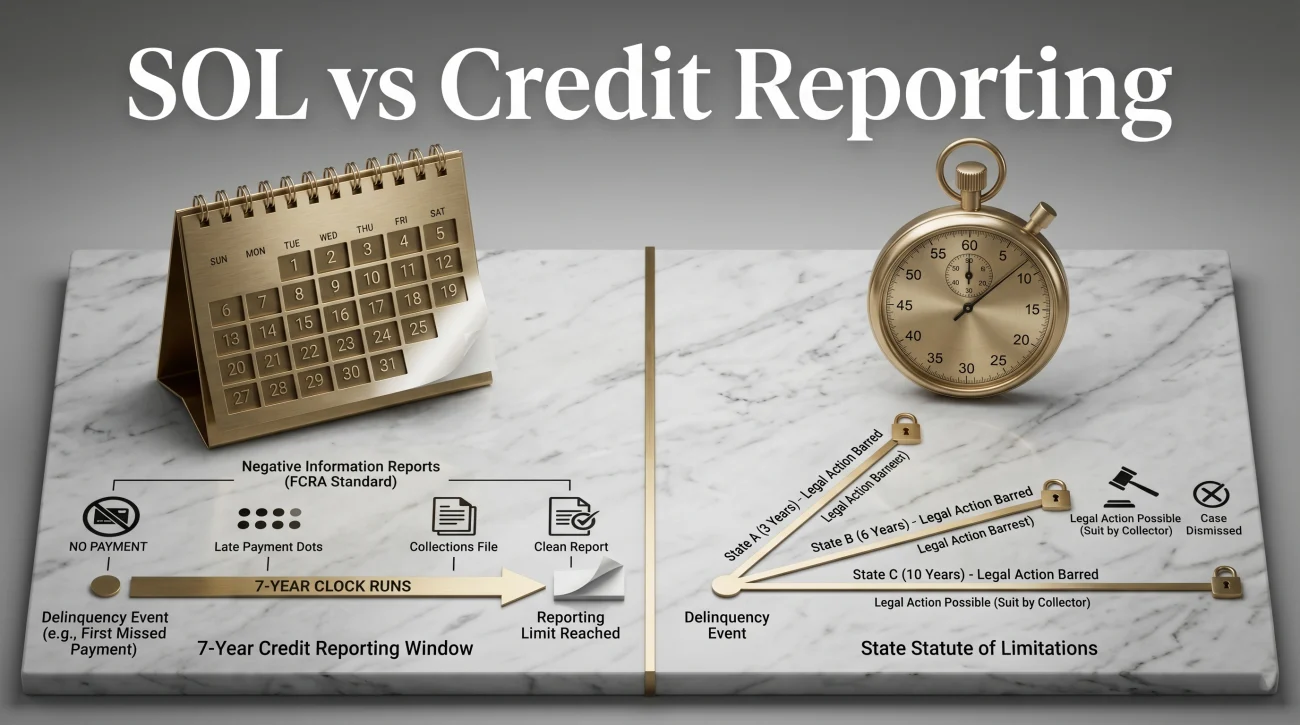
- The SOL clock and the seven-year credit reporting clock are completely separate timelines that start and end on different dates.
- Once a debt passes the statute of limitations, it becomes “time-barred,” meaning the collector loses the legal power to force payment through a lawsuit.
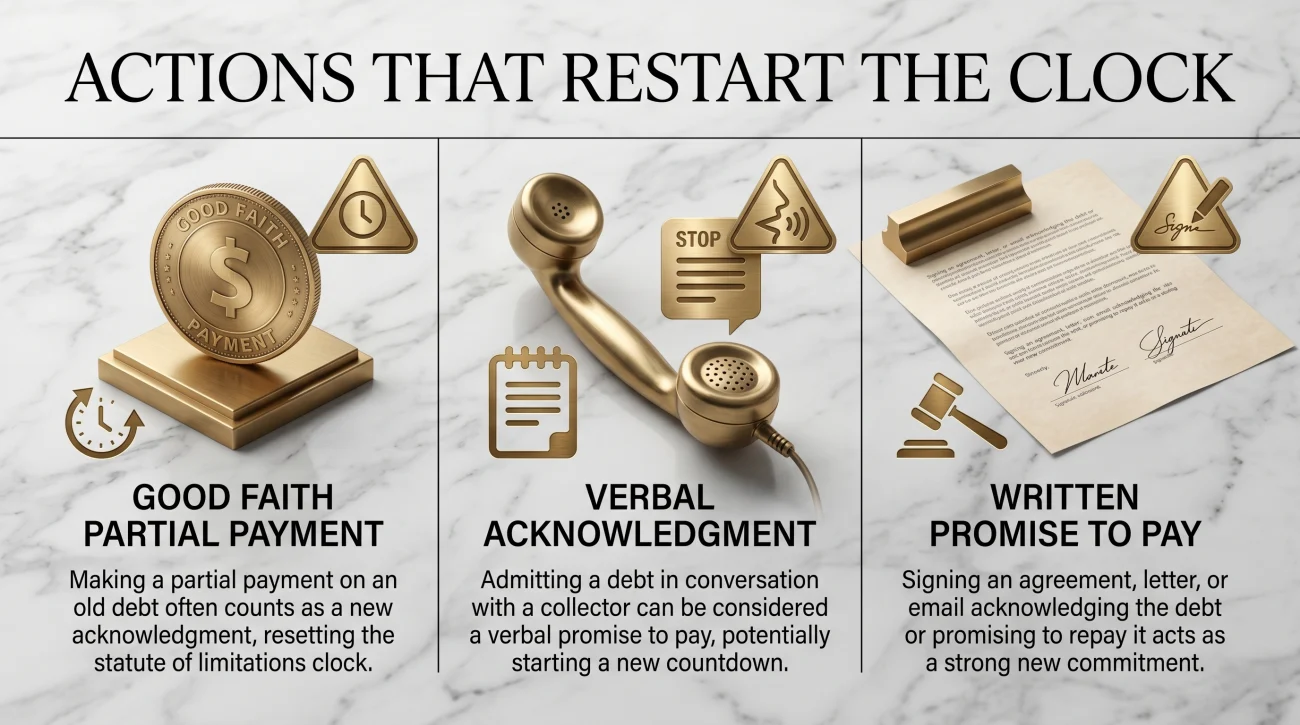
- Making even a tiny partial payment or verbally acknowledging an old debt can instantly restart the SOL clock, reviving the collector’s ability to sue you.
The Expiration Date They Do Not Want You to Understand
During my 12 years working inside third-party collection agencies and a national debt buyer, the accounts that caused the most confusion were the old ones. A consumer would receive a call about a credit card they stopped paying six years ago. They would look at their credit report, see the account was gone, and assume the debt had legally expired. When the collector threatened them with a lawsuit, panic would set in.
A debt being “old” does not automatically mean a collector can no longer pursue you. The collections industry operates around a very specific legal deadline called the statute of limitations. This deadline limits when they can sue you, but it does not dictate whether they can call, write, or ask you to pay voluntarily.
Understanding exactly what expires, what does not expire, and what actions can accidentally bring a dead debt back to life is what protects you from making a catastrophic financial mistake. Collectors know the exact date your legal protection kicks in, and they have carefully designed scripts to get you to reset that clock before it runs out.
The Two Separate Timelines: SOL vs. Credit Reporting
The single biggest source of confusion I saw on the collection floor was consumers mixing up the statute of limitations with their credit report timeline. These are two completely separate clocks governed by different laws. They start at different times, and they end at different times. You must understand the difference to evaluate your actual risk.
The Credit Reporting Window (7 Years)
The Fair Credit Reporting Act (FCRA) is a federal law that dictates how long negative information can appear on your credit report. For collection accounts and charge-offs, this period is exactly seven years from the date of your first missed payment that led to the default. Once those seven years pass, the debt must fall off your credit report. This clock cannot be restarted by making a new payment. If a debt falls off your report, your credit score improves, but you still legally owe the money.
The Statute of Limitations Window (Varies by State)
The statute of limitations (SOL) is a state law that dictates how long a creditor or collector has the legal right to file a lawsuit against you to collect the debt. Depending on your state and the type of debt, this window is typically between three and ten years. The clock usually starts on the date of your last payment. If the SOL expires, the collector loses the right to sue you. However, unlike the credit reporting clock, the SOL clock can be restarted if you make a mistake.
“This debt fell off my credit report, so they can no longer sue me.” (Wrong. In some states, the SOL for a written contract is 10 years, meaning you can be sued long after the debt disappears from your credit profile.)
“This debt is past my state’s statute of limitations, so they cannot successfully sue me, even if it still shows up on my credit report for another year.”
What Happens When Debt Becomes Time-Barred
Once the statute of limitations expires, the debt officially becomes “time-barred.” This is a powerful legal shield, but it is highly specific in what it actually does. Many consumers assume that when a debt is time-barred, it simply ceases to exist. That is not how the law works.
What time-barred status does is eliminate the collector’s primary weapon: the lawsuit. A collector cannot legally force you to pay through a court order, wage garnishment, or a bank levy once the SOL has run out. If they try to file a lawsuit on a time-barred debt, you have an absolute affirmative defense.
However, you must understand what an expired SOL does not do:
- It does not erase the debt. You still legally and morally owe the balance.
- It does not stop collectors from calling you or sending letters requesting voluntary payment.
- It does not automatically remove the debt from your credit report if the seven-year FCRA window has not yet passed.
Collectors will still attempt to collect time-barred debt because they know a certain percentage of people will pay out of a sense of moral obligation, or simply because they do not realize the legal threat is gone.
This is exactly how that strategy looked on the collection floor:
“When we bought old debt portfolios, we knew exactly which accounts were time-barred. Our agents were trained to collect on them anyway. The script just shifted from threatening legal action to appealing to their conscience, or offering a massive discount. We collected millions of dollars on debts we could never have legally enforced.”
The Tactics Designed to Restart the Clock
Because the statute of limitations is tied to your last payment or acknowledgment of the debt, collectors have a massive financial incentive to get you to take an action that resets the clock. If you have a debt that is five years and eleven months into a six-year statute of limitations, you are weeks away from total legal protection. One wrong sentence on a phone call can reset that clock back to day one.
The “Good Faith” Payment Trap
This is the most dangerous trap in the collections industry. When a collector sees that a file is nearing the SOL expiration, the pressure tactics change. They will stop demanding the full $5,000 balance and instead say, “Look, I just need you to show some good faith today. Can you put just $25 or $50 on this account so I can keep my manager from moving this forward?”
If you pay that $50 just to get them off the phone, you have made a catastrophic error. In almost every state, making any payment, even one dollar, instantly restarts the statute of limitations. A debt that was legally uncollectible becomes fully enforceable in court for the entire remaining balance.
Verbal and Written Acknowledgment
Payments are not the only trigger. Acknowledging that the debt is yours can also restart the clock, depending on your state’s laws. Some states require a written acknowledgment to reset the SOL, while others will accept a verbal promise to pay or a verbal confirmation of the debt over a recorded phone line.
This is why collectors ask seemingly innocent questions like, “Are you still receiving mail at this address for your Chase account?” or “We have this old balance here, do you remember when you fell behind on this?” They are fishing for a recorded “yes” that their legal department can argue constitutes an acknowledgment of the debt.
⚠️ Warning: When contacted about an old debt, never confirm the debt is yours, never make a promise to pay later, and never make a partial payment. Always demand that they put the details in writing first so you can assess your legal position safely.
Zombie Debt and FDCPA Violations
The collection industry has a specific term for old, expired, or already-resolved accounts that keep getting passed around: zombie debt. When a major bank gives up on an account, they sell it to a debt buyer. Years later, that debt buyer might sell their uncollected accounts to a lower-tier buyer for less than one cent on the dollar.
Because these debt buyers pay almost nothing for the portfolio, they do not need many people to pay. If they buy 10,000 old accounts for $2,000, getting just five people to pay $500 makes the entire purchase highly profitable. This is why you get calls about debts from a decade ago.
The Fair Debt Collection Practices Act (FDCPA) governs how these collectors can behave. While they are allowed to ask you to pay a time-barred debt, they cross a hard legal line if they threaten to sue you for it. Threatening legal action on a debt the collector knows is past the statute of limitations is a strict FDCPA violation. If a collector makes this threat, they open themselves up to a lawsuit where you can recover statutory damages and attorney fees.
How the Clock Varies by Debt Type
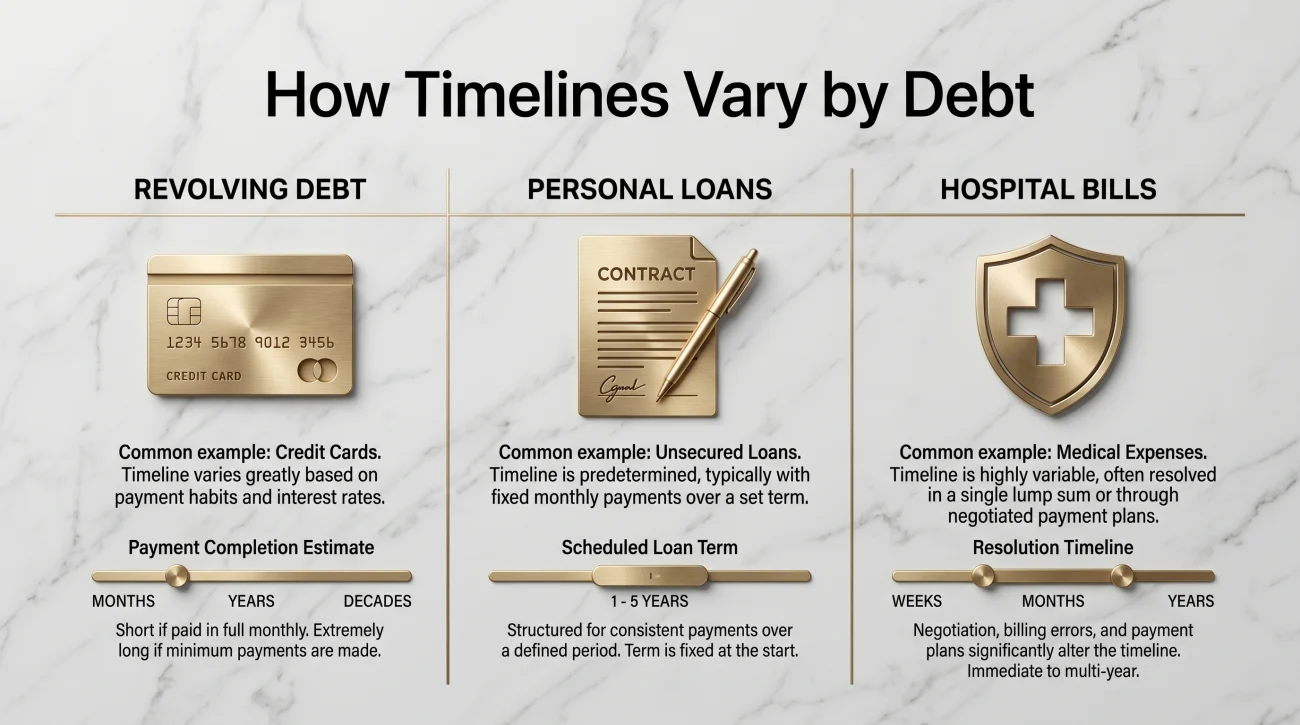
Understanding zombie debt tactics is critical, but your true legal leverage depends entirely on whether the statute of limitations has actually expired. That expiration date is not universal. The exact length of your statute of limitations depends entirely on what state you live in and the legal classification of the debt. You cannot apply a blanket rule to all your accounts.
- Credit Card Debt: Typically classified as an “open-ended” or revolving account. In most states, the SOL for credit cards runs between three and six years. However, beware of the “choice of law” clause buried in your original cardholder agreement. For example, a bank incorporated in Delaware might try to apply Delaware’s 3-year statute, even if you live in a state with a 6-year limit. If a collector sues you, checking this clause can sometimes provide an unexpected legal defense.
- Personal Loans: Usually treated as written contracts because you signed a specific document outlining fixed repayment terms. Written contracts often carry a longer statute of limitations than credit cards, sometimes stretching up to ten years depending on the jurisdiction.
- Medical Debt: This can be complex because it depends on whether you signed a financial responsibility agreement at the hospital (making it a written contract) or if it is treated as an oral agreement. If a hospital sues you, force them to produce the specific intake paperwork you signed to claim the longer written-contract deadline. Additionally, the 2025 CFPB rules banning medical debt from credit reports remove a major pressure tactic, though this does not change your state’s lawsuit deadline.
Because these timelines are hyper-specific, you must calculate your risk based on your state’s laws and the exact date you last made a payment. If you are unsure, you have the right to demand debt validation to force the collector to provide the account history.
Signs the Old Debt You Are Being Contacted About Is Time-Barred
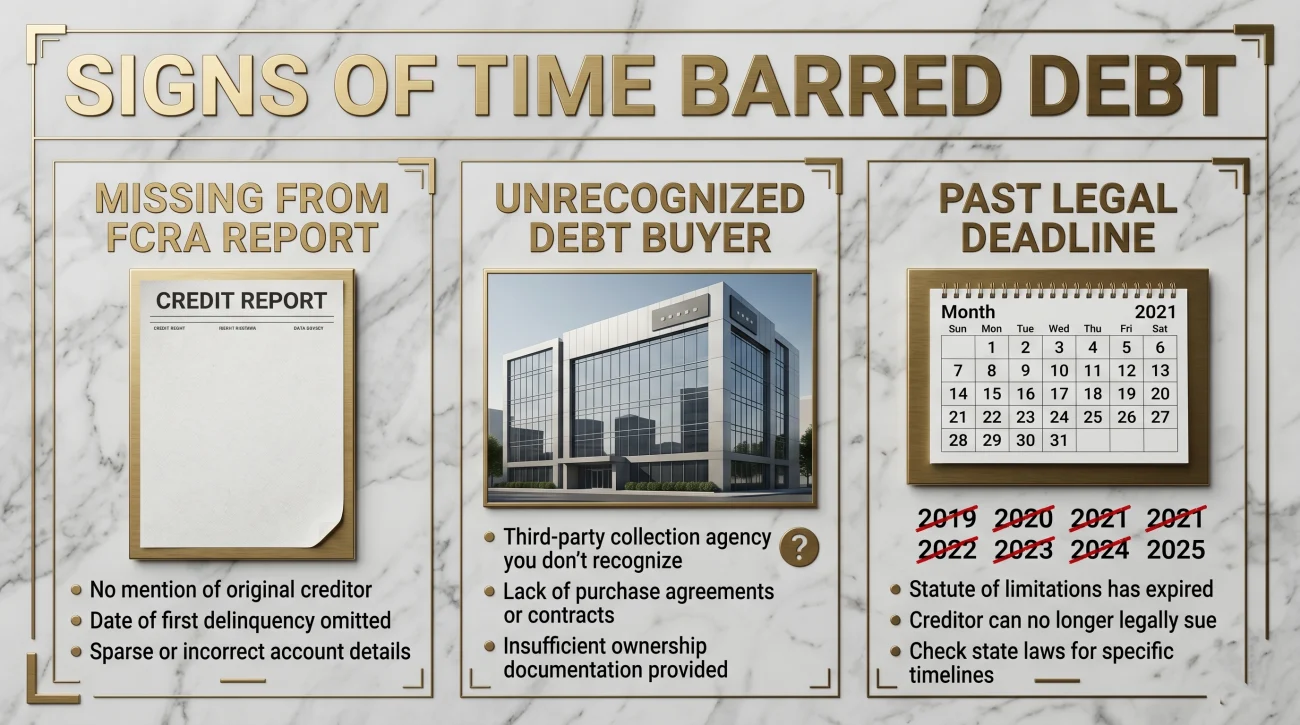
If you are receiving aggressive calls about an account from your past, you need to determine if they actually have the power to sue you. Collectors rely on your uncertainty. They will push hard to make you feel like a lawsuit is imminent, even when they know their legal window closed years ago.
Here are the clear signs that the debt they are pursuing is likely past the statute of limitations:
- 📌 The debt is older than your state’s specific statute of limitations (typically 3 to 10 years), and you have not made a single payment since the original default.
- 📌 The collector avoids answering direct questions about the “date of last payment” or the “date of first delinquency.”
- 📌 The account no longer appears on your current credit report, meaning the seven-year FCRA reporting window has already closed.
- 📌 The collector is a third-party debt buyer you have never heard of, not the original bank or hospital.
- 📌 The collector threatens a lawsuit but constantly pushes you to make a tiny “good faith” payment to prevent it.
If your situation matches these signs, your most valuable asset is silence. Do not agree to anything over the phone until you have verified the timeline.
Final Thoughts on Outlasting the Clock
The debt collection machine is designed to pressure you into paying regardless of what the law says. When an account gets old, that pressure often shifts from formal legal threats to manipulative requests for partial payments or verbal confirmations. The statute of limitations is a powerful consumer protection, but it is not automatic. It requires you to guard your words, protect your wallet from the $50 trap, and know exactly where you stand on the timeline.
Whether your debt is genuinely time-barred depends on your state’s laws, the specific type of debt, and the exact date of your last action on the account. If you are facing threats of a lawsuit on an old account, guessing is not a strategy. You need to know the exact rules that apply to your situation, and if necessary, evaluate your legal defenses with a qualified professional.
❓ FAQ
🚔 Can I go to jail for unpaid debt that is past the statute of limitations?
No. You cannot go to jail for unpaid consumer debt, regardless of its age. If a debt collector threatens you with arrest or criminal charges, they are committing a severe violation of federal law.
💳 Does paying off an old collection account help my credit score?
Paying an old collection account will change its status to “Paid,” but the negative mark of the original collection will remain on your credit report until the 7-year FCRA window expires. It rarely provides a significant immediate boost to your score.
🛑 Can a debt collector restart the clock without my permission?
No. The clock cannot be restarted by a collector simply selling the debt to a new agency, pulling your credit report, or calling you. A reset requires a specific action from you, such as making a payment or acknowledging the debt in writing.
🚚 What happens to the statute of limitations if I move to a different state?
Moving can complicate the statute of limitations. Some states “toll” or pause the clock while you are living out of state, while others may apply the timeline of your new state. This is highly state-specific and often requires legal review.
📝 Does disputing a debt restart the statute of limitations?
No. Sending a written dispute or a request for debt validation does not restart the statute of limitations clock. It is a protective measure that forces the collector to prove the debt is valid before proceeding.
🏥 Is the statute of limitations on medical debt different?
It can be. Medical debt timelines often depend on whether your hospital intake paperwork qualifies as a written contract (which has a longer legal window) or an oral agreement. Note that while the 2025 CFPB rules ban medical debt from credit reports, this does not change or erase your state’s lawsuit deadline.
🏦 Can they freeze my bank account for a time-barred debt?
No. A bank account can only be legally frozen if the collector sues you and wins a court judgment. If the statute of limitations has expired, they cannot successfully sue you, meaning they cannot reach your bank account.
📞 How do I stop collectors from calling about old debt?
You can stop the calls by sending a written cease and desist letter via certified mail. Under the FDCPA, once a collector receives this letter, they must stop contacting you, though they can still pursue legal action if the debt is within the statute of limitations.
🕵️♂️ Can they garnish my wages for a debt from 10 years ago?
They can only garnish your wages if they sued you and won a court judgment. If they already have a judgment from years ago, judgments can last 10 to 20 years and are often renewable. If they never sued you, they cannot garnish your wages without winning a new lawsuit first.
💸 Should I pay a debt that is past the statute of limitations?
This is a personal and financial decision. Legally, you are no longer obligated to pay to avoid a lawsuit. However, making a partial payment will restart the legal clock, so if you choose to pay, you should only do so as a full settlement in writing.
The Complete Guide to Navigating Old Debt
Navigating old debt requires specific knowledge depending on what type of account you have, where you live, and what the collector is currently doing. A strategy that works for a recent credit card default might be disastrous for a ten-year-old medical bill. Below is the complete directory of our guides covering every aspect of the statute of limitations, how to handle specific debt types, and how to avoid the legal traps collectors use to reset the clock.
| Topic & Guide | What You Will Learn |
|---|---|
| Statute of Limitations on Credit Card Debt | How the expiration clock works for credit cards, the typical 3-to-6-year state windows, and the hidden “choice of law” clauses that can alter your timeline. |
| Statute of Limitations on Medical Debt | Why medical debt is more complex (written vs. oral contracts) and how the new 2025 CFPB credit reporting rules change the collector’s leverage. |
| Statute of Limitations on Personal Loans | Why personal loans are treated as written contracts, leading to a much longer legal window for collectors to sue you compared to revolving credit. |
| What Resets the Statute of Limitations on Debt | The complete overview of actions that accidentally restart the clock, giving collectors a fresh window to file a lawsuit against you. |
| How Partial Payment Restarts the Clock | The mechanics of the $50 “good faith payment” trap and why making even a tiny payment on old debt is the most dangerous mistake you can make. |
| Acknowledging Debt Can Reset the Clock | What specific words count as legally acknowledging a debt during a phone call, and how to speak to collectors without reviving a dead account. |
| Understanding Time-Barred Debt | What it actually means when debt becomes time-barred, what collectors can still legally do, and why you must appear in court to use this defense. |
| Can They Sue After the Statute of Limitations? | Yes, they can try. Discover why collectors file lawsuits on expired debt and the exact steps you must take to get the case thrown out. |
| Zombie Debt: How Dead Accounts Revive | The economics behind why debt buyers purchase ancient, uncollectible accounts for pennies on the dollar, and the tactics they use to revive them. |
| How Long Debt Stays on Your Credit Report | The crucial difference between the legal lawsuit window (SOL) and the strict 7-year FCRA rule that dictates when debt falls off your credit profile. |
| Old Debt Collector Calling? Do This First | An immediate, step-by-step action guide on what to say (and what never to say) when you receive a surprise call about a debt from years ago. |
| Is Your Debt Too Old to Pay? | A plain-language breakdown of the difference between “can they legally sue me” and “do I still morally owe this,” helping you decide what to do next. |
If you are being threatened with a lawsuit over a debt you believe is past the statute of limitations, guessing is not an option. You must protect your rights immediately. Learn when it is time to involve a debt lawsuit attorney to evaluate your defense.
The full FDCPA framework and the four areas where it matters most.
- Your legal rights when collectors call, write, or threaten to sue
- When they can call, what they cannot say, and how to make it stop
- How to identify FDCPA violations and what you can do with them
- Why the age of a debt determines what a collector can legally do
- Your right to demand proof before paying or acknowledging anything
Harassment is one thing. Lawsuits, garnishments, and frozen accounts are another.
- When collector behavior crosses the line the FDCPA was written to prevent
- What to do if a collector files suit after their calls have not worked
- What collectors can do to your wages once a judgment is entered
- How a bank levy works and which funds the law protects from seizure
- How to resolve the debt that collectors have been calling about
Disclosure: The content on this site reflects direct experience inside the debt collection industry and is grounded in federal law and regulation. It is informational in nature. Reading it does not constitute legal advice and does not create any professional relationship. If you are dealing with a lawsuit, a judgment, or a legal deadline, consult a licensed attorney in your state before acting.