Debt Collector Impersonating an Attorney: What Is and Isn’t Legal

Debt Collector Impersonating Attorney

Attorneys can legally collect debts, but a debt collector cannot falsely claim to be an attorney or imply a lawyer has reviewed your file if they have not. Sending a “meaningless attorney letter” where a lawyer’s name is stamped on a mass mailing without actual legal review is a violation of federal law. If a … Read more

Debt Collector Threatened Arrest: Why This Is Always Illegal (And What It Means for You)

Debt Collector Threatened Arrest

You cannot be sent to jail for failing to pay a civil consumer debt like a credit card or medical bill. Threatening criminal charges is an explicit violation of the Fair Debt Collection Practices Act (FDCPA). Legitimate agencies rarely make this threat. If you hear it, you are likely dealing with a scam or a … Read more

FDCPA Violations: What Debt Collectors Are Illegally Doing and What You Can Do About It

FDCPA Violations

Not all debt collector mistakes are accidental. Threats of arrest, disclosing your debt to an employer, and ignoring a cease and desist letter are deliberate tactics designed to leverage fear and social pressure. Failing to provide a written validation notice or demanding an inflated balance often stems from how debt is bought and sold in … Read more

Debt Collector Voicemail Rules: What They’re Allowed to Leave (And What Violates the Law)

Debt Collector Voicemail Rules

A debt collector leaving a voicemail is bound by strict federal rules regarding what they must say and what they must keep secret. Every standard collection voicemail must include the “Mini-Miranda” disclosure, stating that the call is an attempt to collect a debt. If a collector leaves a detailed message and a third party hears … Read more

Medical Debt Relief: How to Negotiate Hospital Bills, What the 2025 Rules Changed, and What Actually Gets Forgiven
Medical Debt Relief

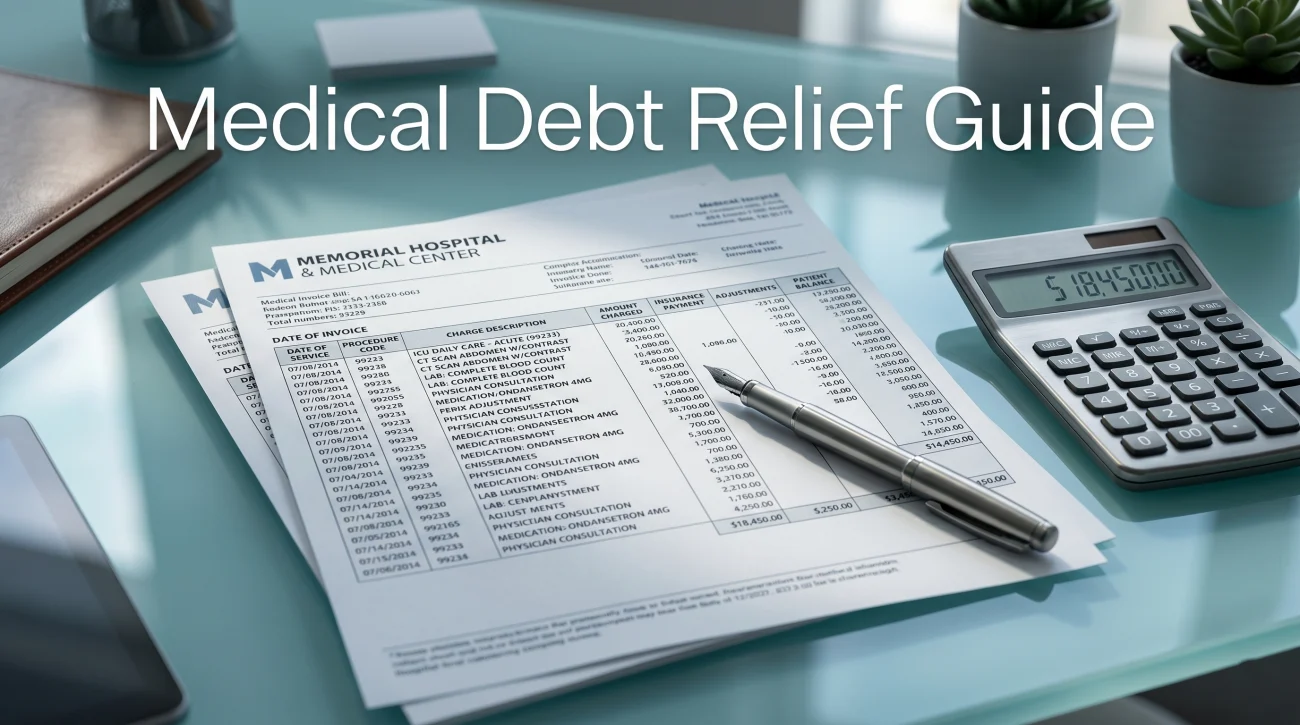
Medical debt is fundamentally different from credit card debt because most hospitals are required under their nonprofit status to offer financial assistance programs. The 2025 CFPB rule finalized the removal of medical debt from consumer credit reports, changing the leverage collectors have over you. Before paying any medical bill, always request an itemized statement with … Read more

Can Debt Collectors Email You? What’s Allowed and How to Opt Out

Can Debt Collectors Email You

Yes, debt collectors are permitted to email you. Industry regulations were updated in late 2021 to explicitly allow this communication channel. Collectors generally avoid sending emails to a work email address if they know it belongs to your employer, as it crosses a major compliance line. Every legitimate debt collection email must include a clear, … Read more

Wage Garnishment Limits by State: Which States Protect More Than Federal Law Requires

Wage Garnishment Limits By State

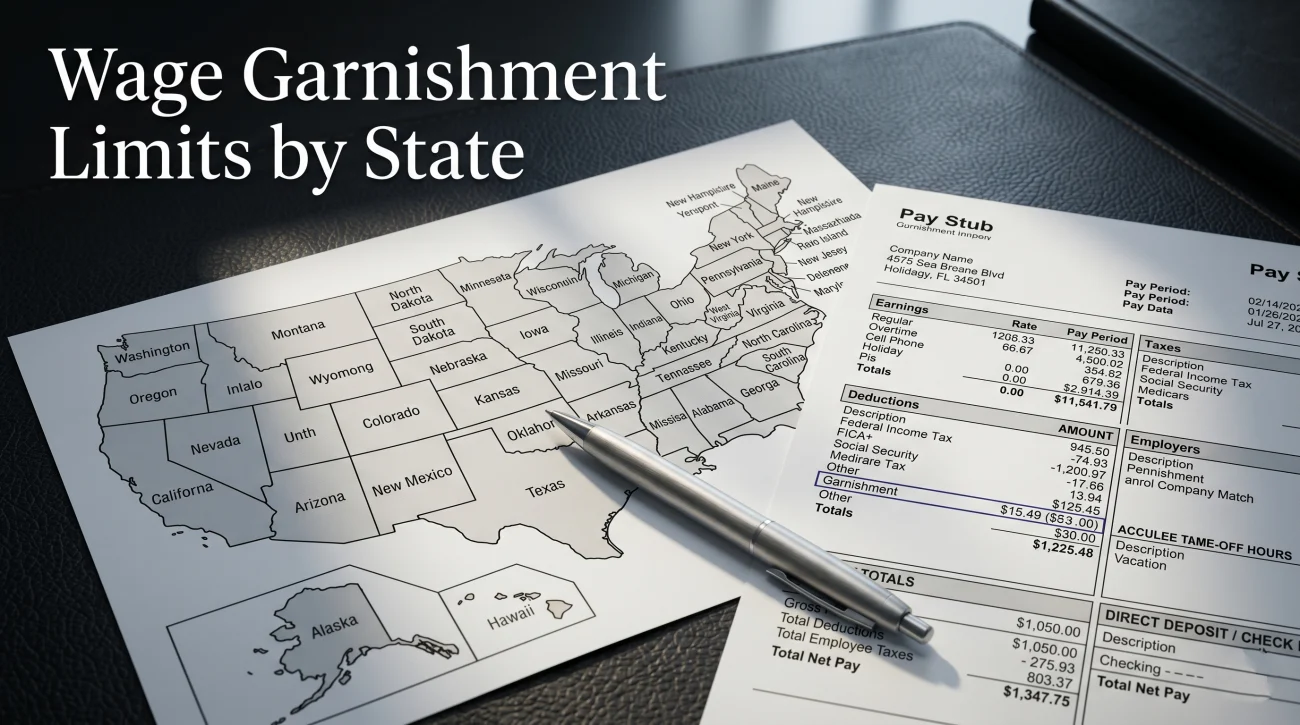
Federal law caps consumer wage garnishment at 25 percent of your disposable earnings, but many states have passed laws to lower that limit and protect more of your paycheck. When state laws conflict with federal laws regarding garnishment limits, your employer is legally required to use whichever calculation leaves you with more take-home pay. Four … Read more

Can Debt Collectors Text You? What the 2021 Rules Say and How to Make It Stop

Can Debt Collectors Text You

Yes, debt collectors can legally text you. The CFPB’s Regulation F explicitly permitted text messaging and email contact starting in late 2021. Every legitimate collection text must include a clear, simple way to opt out. Legitimate collectors will never ask you to pay via gift cards, cryptocurrency, or wire transfers via text message. If they … Read more

Debt Settlement vs Credit Counseling: Two Very Different Programs for Two Very Different Situations

Debt Settlement Vs Credit Counseling

Debt settlement and credit counseling are not interchangeable; they are designed for two entirely different levels of financial hardship. Credit counseling (Debt Management Plans) requires you to pay the full principal balance, but at a significantly reduced interest rate negotiated by a nonprofit agency. Debt settlement involves stopping your payments entirely so a for-profit company … Read more

How to Choose a Debt Settlement Company: What NDR, FDR, and ADR Actually Offer and the Red Flags to Avoid

How To Choose A Debt Settlement Company

Federal law prohibits legitimate debt relief organizations from charging fees before they actually secure a settlement. Your monthly deposits must go into a dedicated, FDIC-insured account that you control entirely. Industry accreditation from the ACDR or IAPDA is a non-negotiable filter when evaluating your options. Choosing between major firms like National Debt Relief or Freedom … Read more