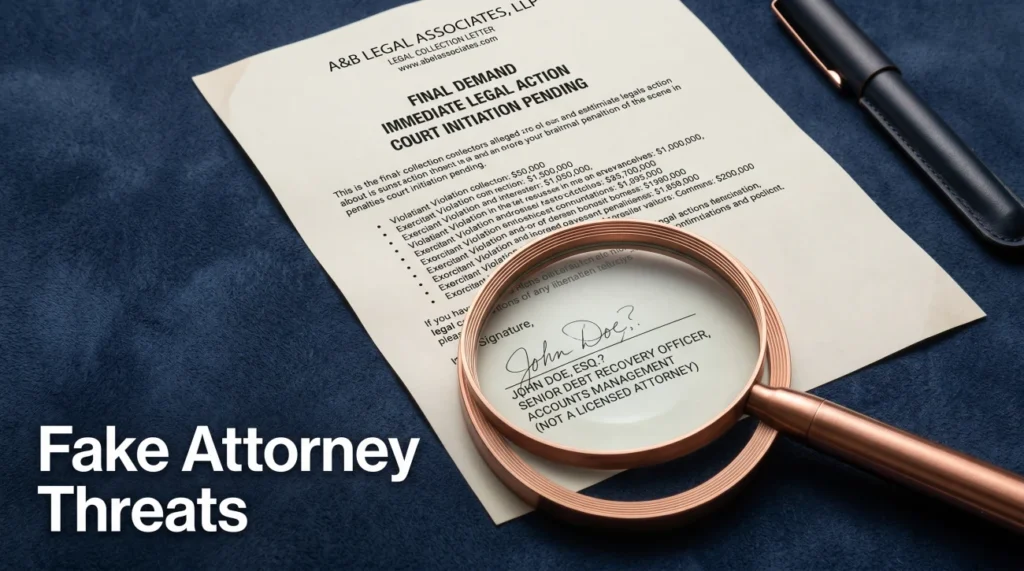
- Attorneys can legally collect debts, but a debt collector cannot falsely claim to be an attorney or imply a lawyer has reviewed your file if they have not.
- Sending a “meaningless attorney letter” where a lawyer’s name is stamped on a mass mailing without actual legal review is a violation of federal law.
- If a caller claims to be from a law firm, demand their state bar number. Legitimate legal staff will provide it immediately; impersonators will deflect.
When Collection Calls Take a Legal Tone
A letter arrives on heavy stock paper with “Law Offices of…” printed across the top, or a caller drops heavy hints about court dates. Your heart rate naturally goes up. In my twelve years inside third-party collection agencies, I watched exactly how this threat was deployed. The collection floor knows consumers ignore standard letters, but when an attorney seems to be involved, they pay. The pressure is highly intentional.
However, the line between a firm aggressively pursuing an account and a debt collector pretending to be lawyer is sharply defined by federal law. The Fair Debt Collection Practices Act is clear about misrepresentation. You need to know how to spot the difference between an actual law firm that has been hired to sue you and an agency trying to borrow legal authority they do not actually possess.
Yes, Attorneys Can Legally Collect Debts
The biggest misconception consumers have is assuming that any lawyer involved in collections must be a scam. This is not true. Attorneys absolutely can and do collect debts. There is nothing inherently illegal about a debt collector from law firm offices calling you to demand payment.
Many large, legitimate debt collection law firms exist. These firms are retained by original creditors or large debt buyers specifically because they have the infrastructure to file lawsuits at scale. When you see a letterhead and wonder, is a debt collection law firm legitimate, the answer in many cases is yes. Receiving a letter from a firm with a real attorney’s name in the header is not automatically a violation.
What matters under the law is not whether an attorney is involved, but whether the collector or the firm misrepresented their role, the status of your account, or the imminence of any legal proceedings. The violation happens when the presentation of the letter or the caller’s script implies a level of legal scrutiny that simply did not occur.
“During my time in the industry, I saw accounts transferred from standard agency floors directly to affiliated law firms. The moment that file transferred, the tone of the letters changed. But the firm actually had to have an attorney review the file before sending that letter. If they skipped that step and just used the letterhead to scare the consumer, they crossed the line into a federal violation.”
When an actual attorney is involved, it usually means the creditor has determined your account balance is high enough, and your timeline is fresh enough, to justify the cost of litigation. If you want to understand the broader legal framework governing these actions, you should review the core rules that dictate what collectors are legally allowed to do.
What the FDCPA Actually Prohibits
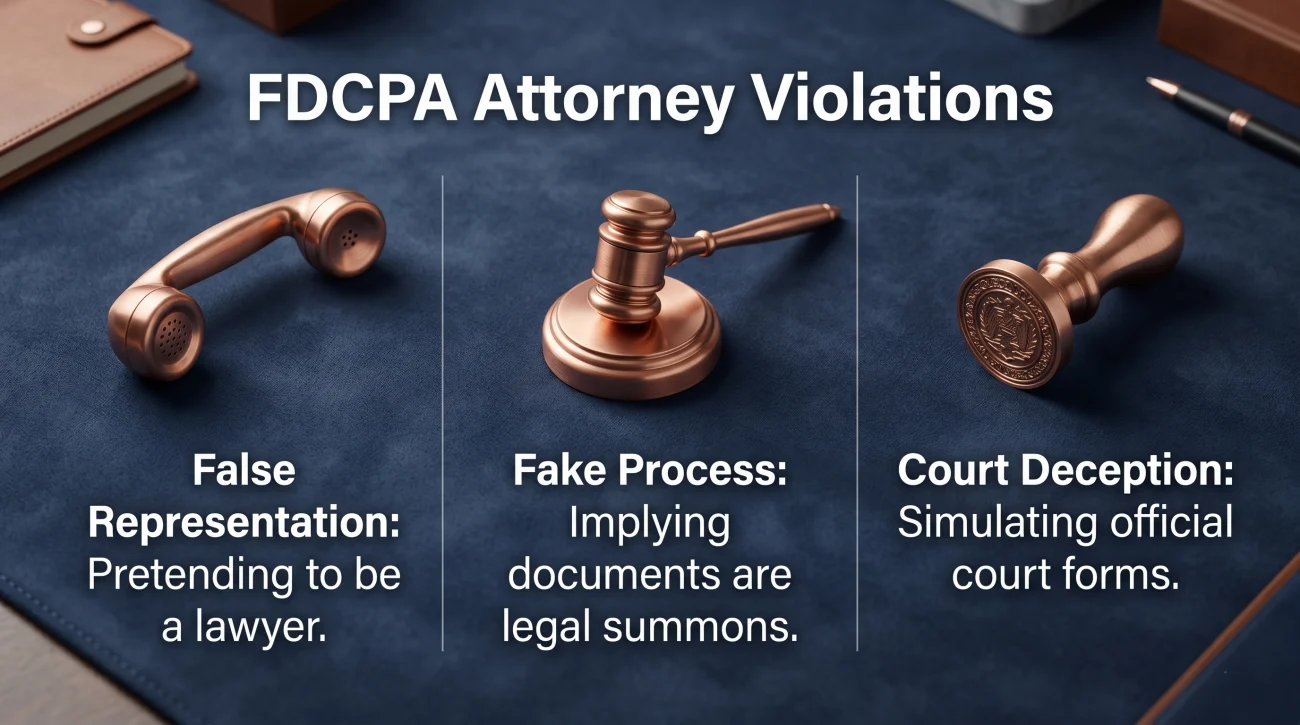
The Fair Debt Collection Practices Act sets strict boundaries on identity and misrepresentation. A collection agency posing as law firm personnel is stepping directly into a trap. Under Section 1692e of the FDCPA, a debt collector may not use any false, deceptive, or misleading representation or means in connection with the collection of any debt.
Specifically regarding attorneys, the law prohibits:
- The false representation or implication that any individual is an attorney or that any communication is from an attorney.
- The false representation or implication that documents are legal process.
- The use of any written communication which simulates or is falsely represented to be a document authorized, issued, or approved by any court.
This means if a caller states “I am an attorney representing the creditor” and they are actually just a floor collector reading a script, they have broken the law. When a debt collector said they are an attorney and they do not hold a law license, they have handed you a documentable violation.
Assuming the caller is telling the truth just because they sound authoritative and use legal jargon over the phone.
Calmly asking the caller for their state bar number and the exact legal name of their firm, then documenting their response.
The “Meaningless Attorney Letter” Violation
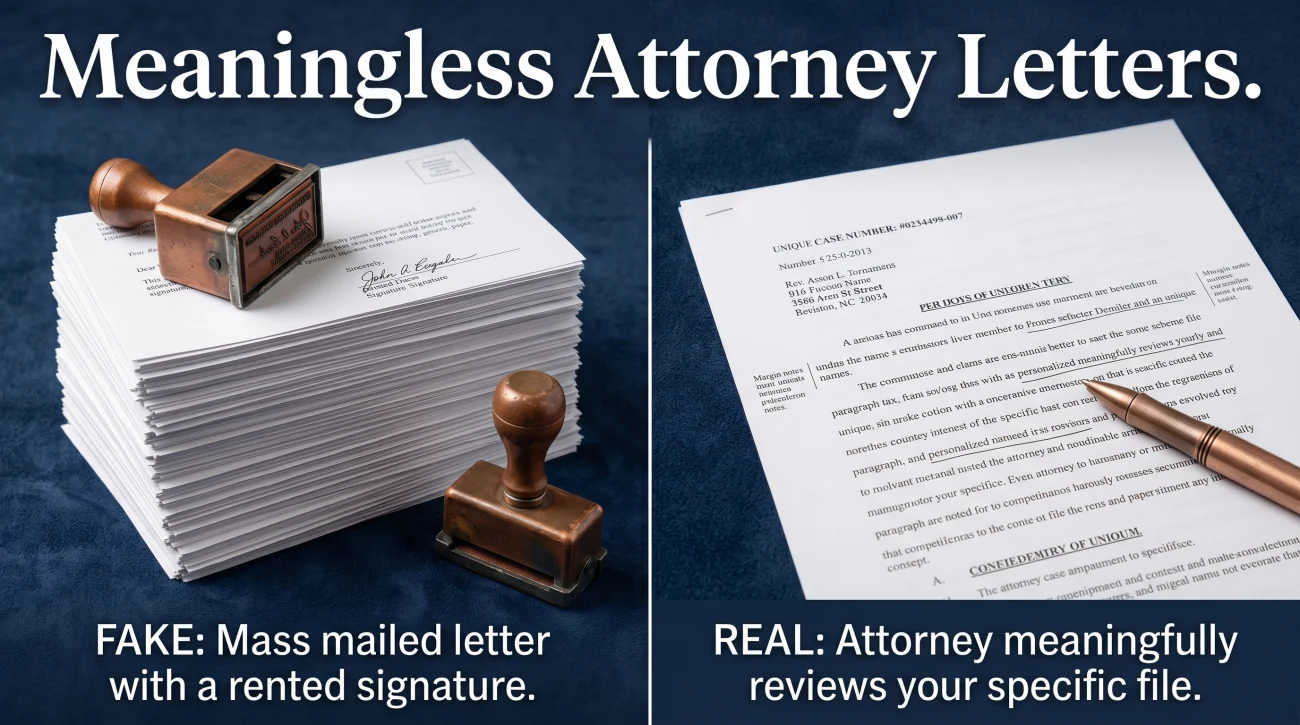
While pretending to be a lawyer over the phone is a clear violation, the deception often takes a more formal, paper-based route. One of the most specific patterns of abuse in this area involves a real attorney who is simply renting out their letterhead.
A collection attorney letter might arrive in your mailbox, signed by a named lawyer. But the violation occurs because that lawyer never actually looked at your file. This practice was so widespread that it went to the Supreme Court. In the case of Heintz v. Jenkins, courts established that an attorney sending a debt collection letter must have meaningful, professional involvement with the debtor’s file. They cannot just allow a collection agency to print their signature on a batch of ten thousand automated letters.
If an attorney’s name is on the letter, that attorney must have reviewed your account, assessed the validity of the debt, and made a professional judgment that sending the letter was appropriate. If they did not do this, the letter is deceptive. It falsely implies that a lawyer has evaluated your case and decided to pursue it, creating a false sense of urgency.
This is where consumers lose leverage. They see the attorney’s signature and panic, assuming a lawsuit has already been drafted. Understanding these tactics is critical when you are trying to determine which collector behaviors actually violate your federal rights.
How to Verify if the Collector Is Really an Attorney
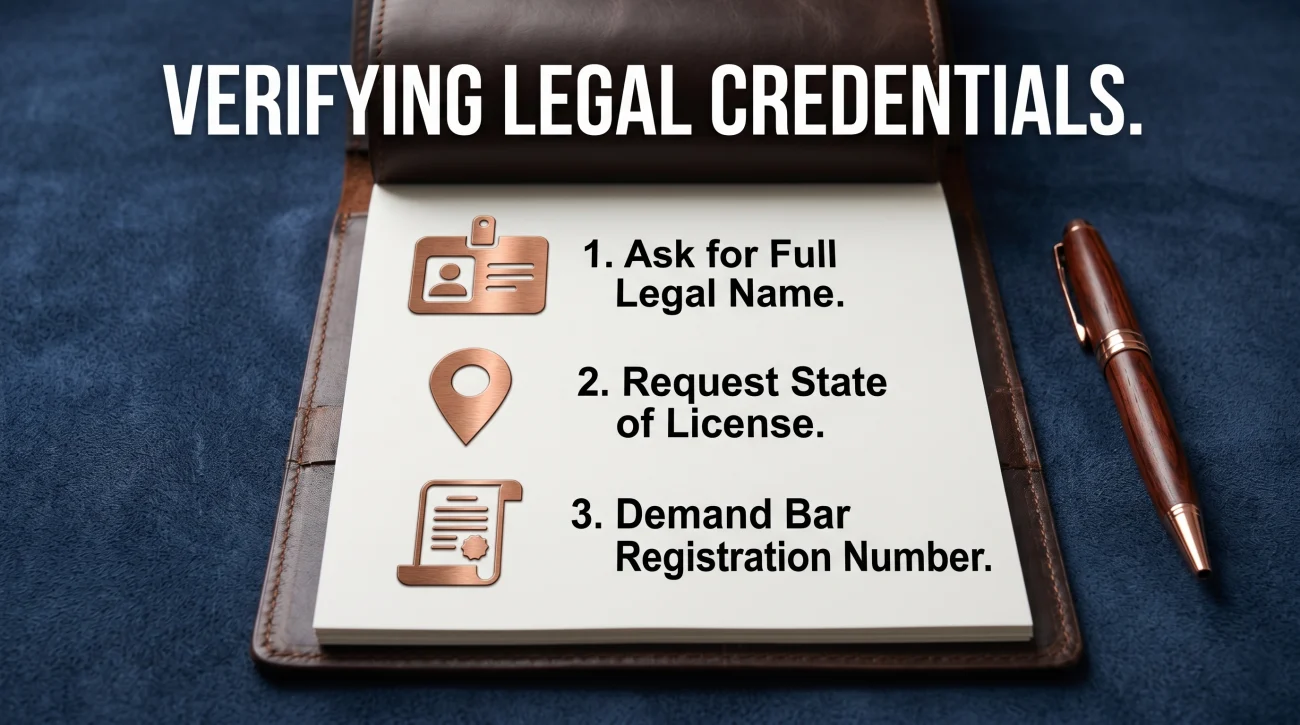
When you are targeted by these tactics, you need to know how to strip away the illusion. If you are asking yourself, is this debt collector really an attorney, you can find out quickly. Legitimate law firms are heavily regulated by state bar associations, and real attorneys are not shy about providing their credentials.
Here is a practical formula to use while on the phone with someone claiming legal authority:
Demand credentials + Document the refusal + End the call
If someone calls you and implies they are a lawyer, use a script like this to test their claim:
“Before we discuss this account, you stated you are calling from a law firm. Please provide me with your full name, the state where you are licensed to practice law, and your state bar registration number. I will need to verify this information before we continue.”
The Paralegal Gray Area: Often, the caller is not an attorney but a paralegal or legal assistant working for a real law firm. They are legally allowed to call you, but they cannot imply they are the lawyer handling your case. If you ask for their bar number, a legitimate legal assistant will clearly state, “I am a paralegal calling on behalf of Attorney Smith, whose bar number is X.” A scammer or an agency collector impersonating an attorney will usually deflect, become hostile, or suddenly backtrack. The moment they backtrack, note exactly what they said.
If you receive a letter and want to check its legitimacy, simply go to your state’s official bar association website and use the public “attorney search” tool. If the name does not exist, or the attorney has a history of disciplinary action for renting their letterhead, you have uncovered the bluff.
What a Real Attorney Communication Means for Your File
If you verify the credentials and the law firm is perfectly legitimate, the situation requires a different level of attention. A communication from an actual collection law firm typically means the original creditor or the debt buyer considers your account worth litigating. They have moved past the standard call center phase.
This does not mean a lawsuit has been filed today, but it means they are assessing your file to see if you are “suit-worthy.” Real collection law firms will actively pull your credit reports to look for active employment (for potential wage garnishment) and banking relationships (for bank levies). They are calculating whether they can actually collect money if they win a judgment against you.
Even if the firm is real, you should never assume the debt is still legally enforceable. Real law firms frequently send demand letters for accounts that are past the statute of limitations. Before acknowledging anything, you must verify the age of your debt.
When dealing with a real law firm, your response strategy must tighten up. A standard debt validation request is a good start, but when sending one to a law firm, you should explicitly demand proof of the chain of title and evidence that an attorney has meaningfully reviewed the original signed contract. This signals to the firm that you are not going to be an easy target.
If a legitimate firm is involved, ignoring the problem will likely result in a summons. If you ignore that summons, they will secure a default judgment against you, which strips away your defenses. You need to assess whether the threat they are making is actionable by looking into the signs of when a collector threatening legal action is bluffing versus when it is real. If the balance is high and the debt is recent, this is the stage where evaluating your defense with a professional becomes necessary rather than optional.
Signs the “Legal” Threat Is Actually a Bluff
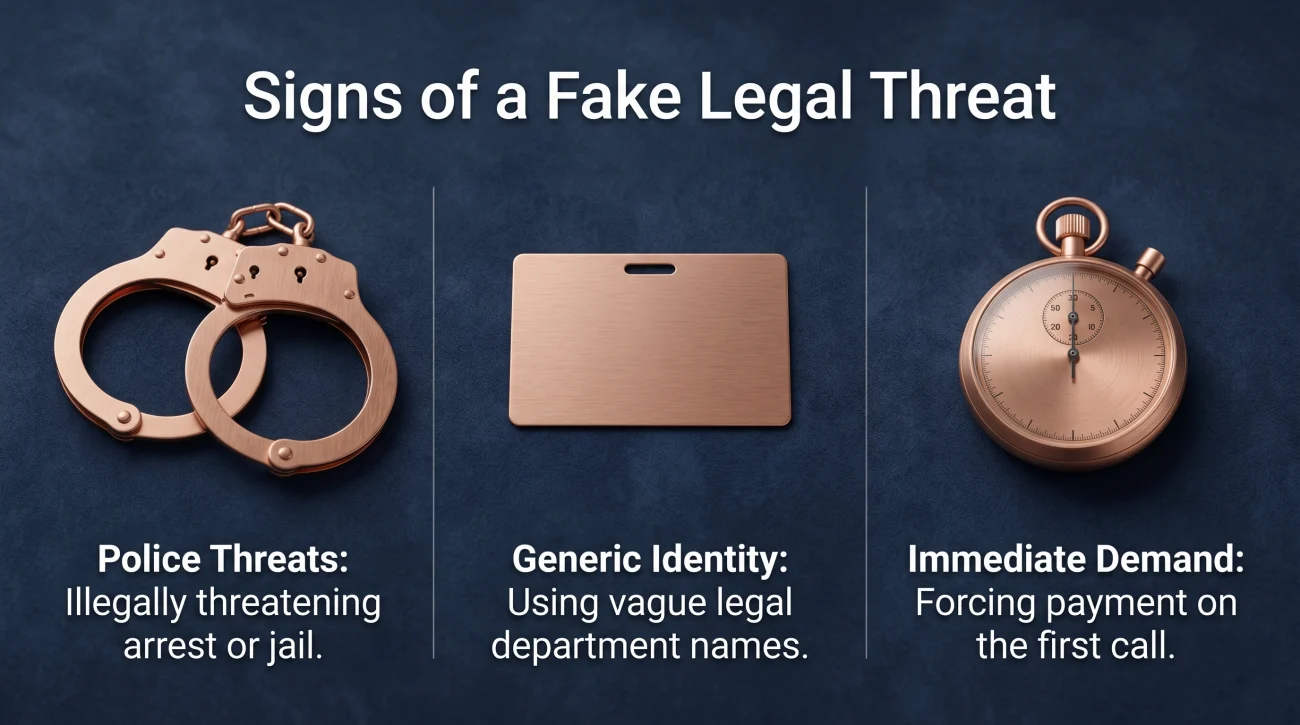
When a collector uses fake legal authority, they are banking on your lack of experience with the court system. The anxiety you feel about potential judgments or arrests is the exact emotional state they need you in to secure a payment.
Before you make a payment out of fear, look for these common red flags that the communication is a misrepresentation rather than a legitimate legal escalation:
- 📌 The letter has no specific attorney signature, using a generic title like “Legal Department” or “Litigation Division.”
- 📌 The caller combines the attorney claim with a threat that police are on their way, which is always illegal. (See why collectors use arrest threats).
- 📌 The firm representative cannot answer basic questions about the specifics of your account, proving no attorney actually reviewed your file.
- 📌 The threat of immediate legal action is made on the very first contact for a relatively small balance.
If you recognize these signs and document the interaction carefully, you have the foundation of an FDCPA complaint. Understanding the correct channels to report abusive collection practices (like the CFPB and your state attorney general) ensures your complaint creates a public record of their illegal behavior.
If the tactics they are using are aggressive, deceptive, and causing you distress, it is time to look at your options for stopping the abuse. You can start by reviewing what steps to take when a collector crosses the line into illegal harassment. If the law firm is verified as real and you believe a lawsuit is actually imminent, your priority shifts to evaluating your defense options against a formal complaint.
Final Thoughts: Do Not Let the Letterhead Intimidate You
The legal system is designed to be formal and intimidating, which makes it the perfect camouflage for an aggressive debt collector. But federal law is on your side when it comes to deception. A debt collector cannot put on a lawyer’s suit just to scare you into making a payment.
Every time you demand a bar number, every time you require written validation, and every time you refuse to be bullied by a generic “legal department” threat, you strip away their leverage. Keep your records detailed. Treat every communication as a business transaction, not a moral failing. If they are real attorneys, they will follow the legal process. If they are pretending, your documentation is the exact evidence you need to hold them accountable.
❓ FAQ
📞 Can a debt collector call and say they are a lawyer?
No, unless they actually hold a valid license to practice law. Falsely claiming to be an attorney on a phone call is a direct violation of the Fair Debt Collection Practices Act.
🏢 Is a debt collection law firm legitimate?
Yes, many legitimate law firms specialize in debt collection and are retained by creditors to file lawsuits. The existence of a collection law firm is not illegal; their actions must simply comply with the law.
✉️ What should I do if I get a collection attorney letter?
Do not ignore it. Read it carefully to see if it is a standard collection notice or an actual court summons. Request debt validation in writing immediately to force the firm to prove they have the right documentation.
⚖️ How do I know if this debt collector is really an attorney?
Ask for their full name and state bar registration number. You can then look them up on your state’s official bar association website to confirm their active legal status.
👮 Can a collection agency posing as a law firm have me arrested?
No. You cannot be arrested for unpaid civil debt like credit cards or medical bills. Any collector, whether they claim to be a lawyer or not, who threatens you with jail time is breaking federal law.
🏛️ Why would a debt collector use attorney letterhead?
They use it because it creates fear and urgency. Consumers are much more likely to respond to a letter that looks like it came from a lawyer than a letter from a standard collection agency.
🗣️ What happens if a debt collector said they are an attorney but they lied?
If you can document the lie, you have evidence of an FDCPA violation. You can file complaints with the CFPB or your state attorney general, and potentially sue the agency for statutory damages.
🚨 Does an attorney letter mean I am going to be sued immediately?
Not necessarily. Many law firms send initial demand letters to try and collect the debt voluntarily before spending the money to file a formal lawsuit in court.
🛑 How do I stop a debt collector pretending to be a lawyer?
Send a written cease and desist letter by certified mail. This legally requires them to stop contacting you, regardless of whether they are a real attorney or an agency.
📝 Is it illegal for a collector to send a meaningless attorney letter?
Yes. If an attorney’s name is on the letter, the law requires that the attorney actually reviewed your specific file and made a professional judgment. Mass-mailing letters with a rented signature is illegal.
The full FDCPA framework and the four areas where it matters most.
- Your legal rights when collectors call, write, or threaten to sue
- When they can call, what they cannot say, and how to make it stop
- How to identify FDCPA violations and what you can do with them
- Why the age of a debt determines what a collector can legally do
- Your right to demand proof before paying or acknowledging anything
Harassment is one thing. Lawsuits, garnishments, and frozen accounts are another.
- When collector behavior crosses the line the FDCPA was written to prevent
- What to do if a collector files suit after their calls have not worked
- What collectors can do to your wages once a judgment is entered
- How a bank levy works and which funds the law protects from seizure
- How to resolve the debt that collectors have been calling about
Disclosure: The content on this site reflects direct experience inside the debt collection industry and is grounded in federal law and regulation. It is informational in nature. Reading it does not constitute legal advice and does not create any professional relationship. If you are dealing with a lawsuit, a judgment, or a legal deadline, consult a licensed attorney in your state before acting.