Debt Collector Impersonating an Attorney: What Is and Isn’t Legal

Debt Collector Impersonating Attorney

Attorneys can legally collect debts, but a debt collector cannot falsely claim to be an attorney or imply a lawyer has reviewed your file if they have not. Sending a “meaningless attorney letter” where a lawyer’s name is stamped on a mass mailing without actual legal review is a violation of federal law. If a … Read more

Debt Collector Threatening to Sue You: When It’s a Bluff and When It’s Real

Debt Collector Threatening Lawsuit

A debt collector threatening a lawsuit without the actual intent or legal ability to file one is committing a federal violation under the FDCPA. Lawsuit threats are often a bluff for small balances (under $1,000) or very old debt, driven by the fact that court costs exceed the potential recovery. Threats are usually real when … Read more

Debt Collector Threatened Arrest: Why This Is Always Illegal (And What It Means for You)
Debt Collector Threatened Arrest

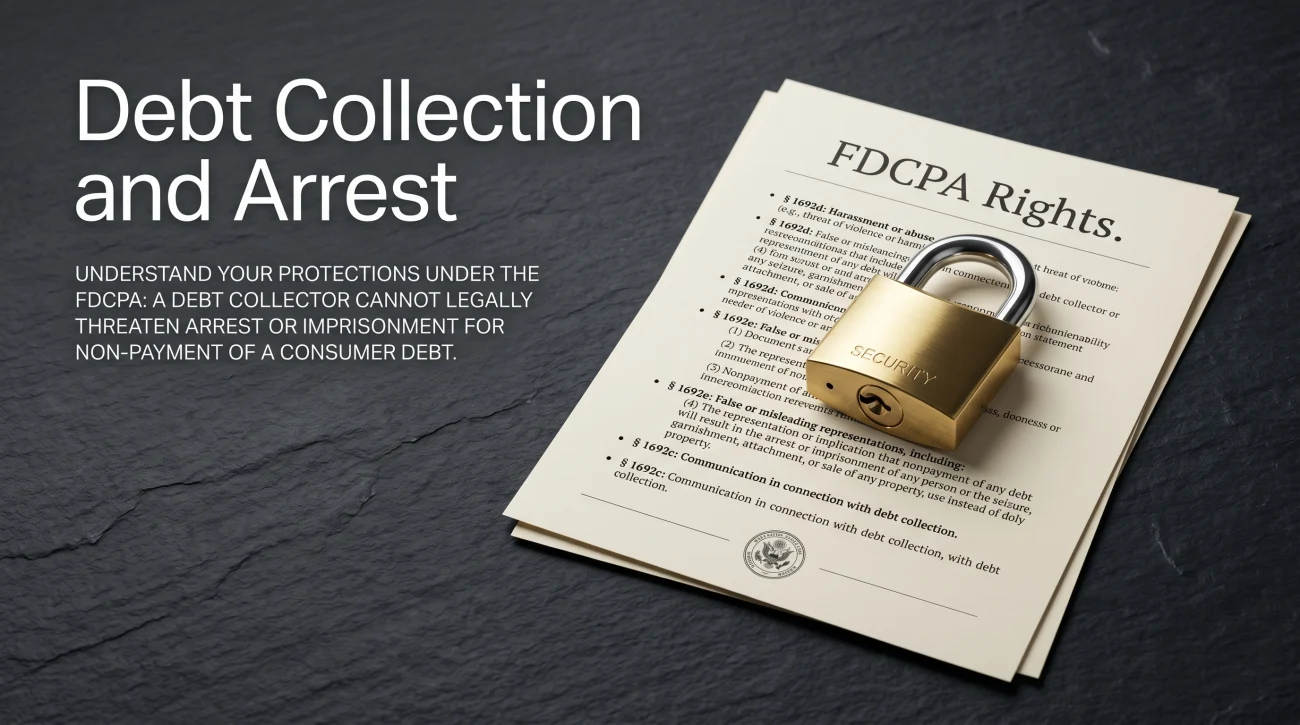
You cannot be sent to jail for failing to pay a civil consumer debt like a credit card or medical bill. Threatening criminal charges is an explicit violation of the Fair Debt Collection Practices Act (FDCPA). Legitimate agencies rarely make this threat. If you hear it, you are likely dealing with a scam or a … Read more
How Debt Settlement Actually Works: What Happens from Enrollment to Final Settlement

Debt Settlement Process

When you enroll in debt settlement, your money goes into an FDIC-insured escrow account in your own name, not the company’s bank account. You must intentionally stop paying your enrolled creditors to force accounts into delinquency, which is the only way to create leverage for negotiation. No settlement is finalized or paid out until you … Read more

Debt Collector Calling at Night or Early Morning: When It Crosses Into a Violation

Debt Collector Calling At Night

Federal law prohibits debt collectors from calling you before 8:00 a.m. or after 9:00 p.m. in your local time zone. A call placed outside of these hours is not a minor oversight. It is a documentable violation of the Fair Debt Collection Practices Act. Missed calls and voicemails left during restricted hours still count as … Read more

Responding to a Debt Collection Lawsuit Without an Attorney: What You Can Do Yourself

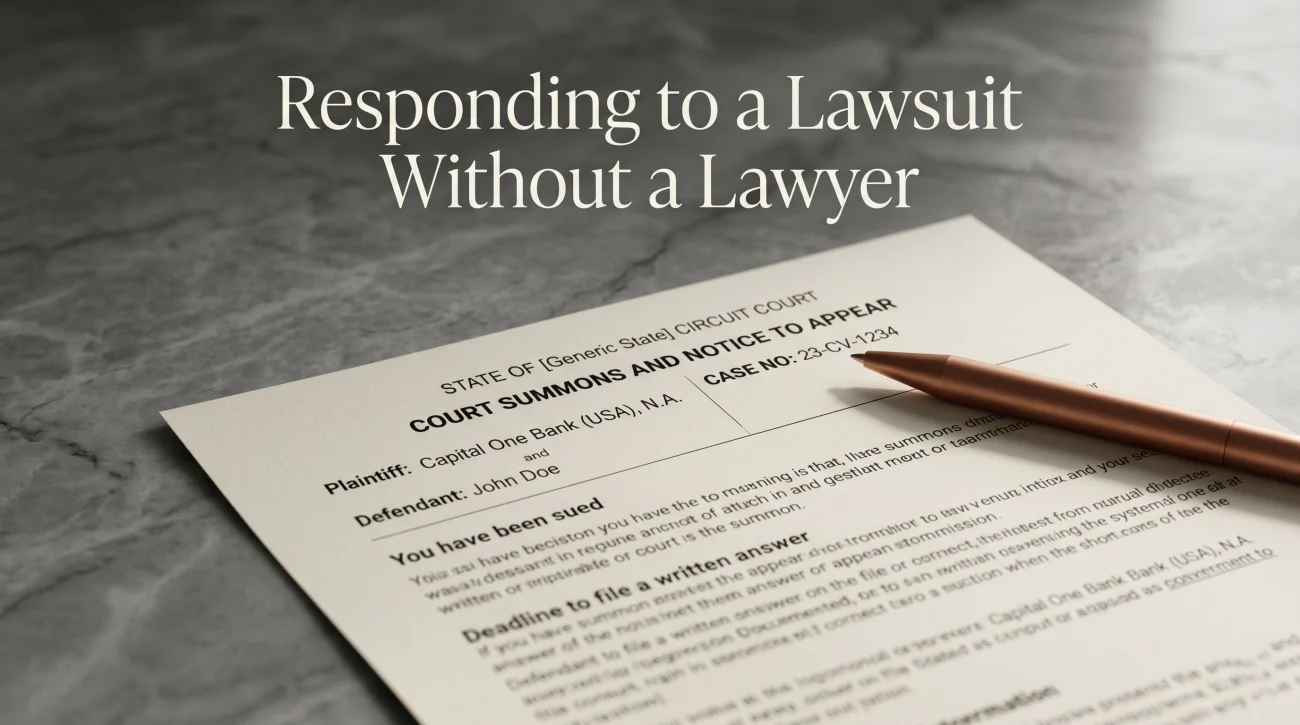
How To Respond To Debt Collection Lawsuit Without Attorney

Most defendants in debt collection cases represent themselves because they cannot afford an attorney. In standard debt buyer cases, this is a completely viable and effective path. Filing a basic written response prevents an automatic loss and forces the collector to prove their case with actual documentation. Self-representation works best in small claims courts, for … Read more

Debt Collector Voicemail Rules: What They’re Allowed to Leave (And What Violates the Law)

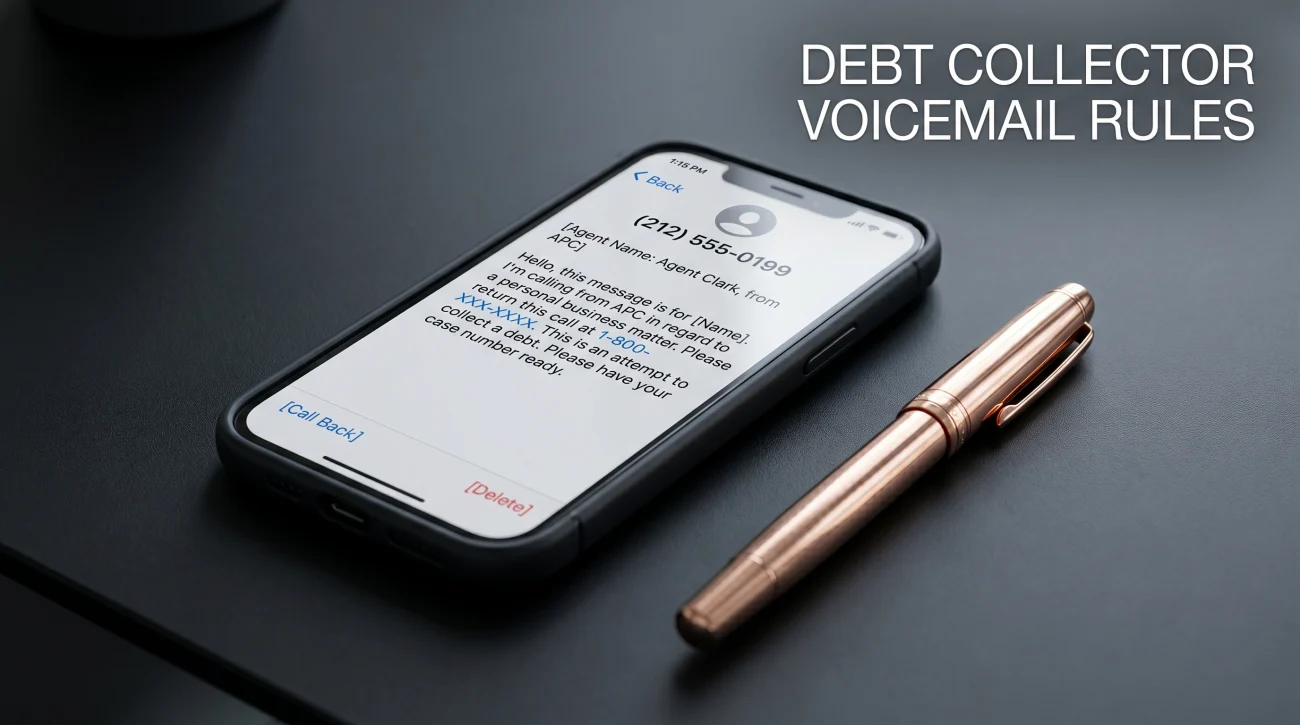
Debt Collector Voicemail Rules

A debt collector leaving a voicemail is bound by strict federal rules regarding what they must say and what they must keep secret. Every standard collection voicemail must include the “Mini-Miranda” disclosure, stating that the call is an attempt to collect a debt. If a collector leaves a detailed message and a third party hears … Read more

Debt Collector Calling From Different Numbers: Why They Do It and What You Can Do

Debt Collector Calling From Different Numbers

The “Neighbor” Illusion: Collectors use local area codes to trick you into thinking it’s a local business calling; this is a calculated data-driven tactic to increase answer rates. Beyond Blocking: Agencies cycle through clean VOIP numbers faster than you can block them. Real progress starts with moving the conversation from the phone to a written … Read more

Debt Collectors Calling Your Family: What They’re Allowed to Say (And What They’re Not)

Can Debt Collectors Call Your Family

Debt collectors are legally allowed to contact your family members exactly one time, and strictly for the purpose of acquiring your location or contact information. They are strictly prohibited from identifying themselves as debt collectors or mentioning that you owe a debt to anyone other than you or your spouse. While the legal justification is … Read more

Debt Collectors Calling Your Work: What They’re Allowed to Say (And What You Can Do About It)

Can Debt Collectors Call Your Work

A debt collector is legally permitted to call your workplace under federal law, but they must follow extremely strict rules regarding what they can say. Their primary goal in calling your job is rarely just to find you. It is a calculated tactic designed to use social pressure and the fear of your employer finding … Read more