How to Write an Answer to a Debt Collection Lawsuit: What to Include and What Protects You

How To Write Answer To Debt Collection Lawsuit

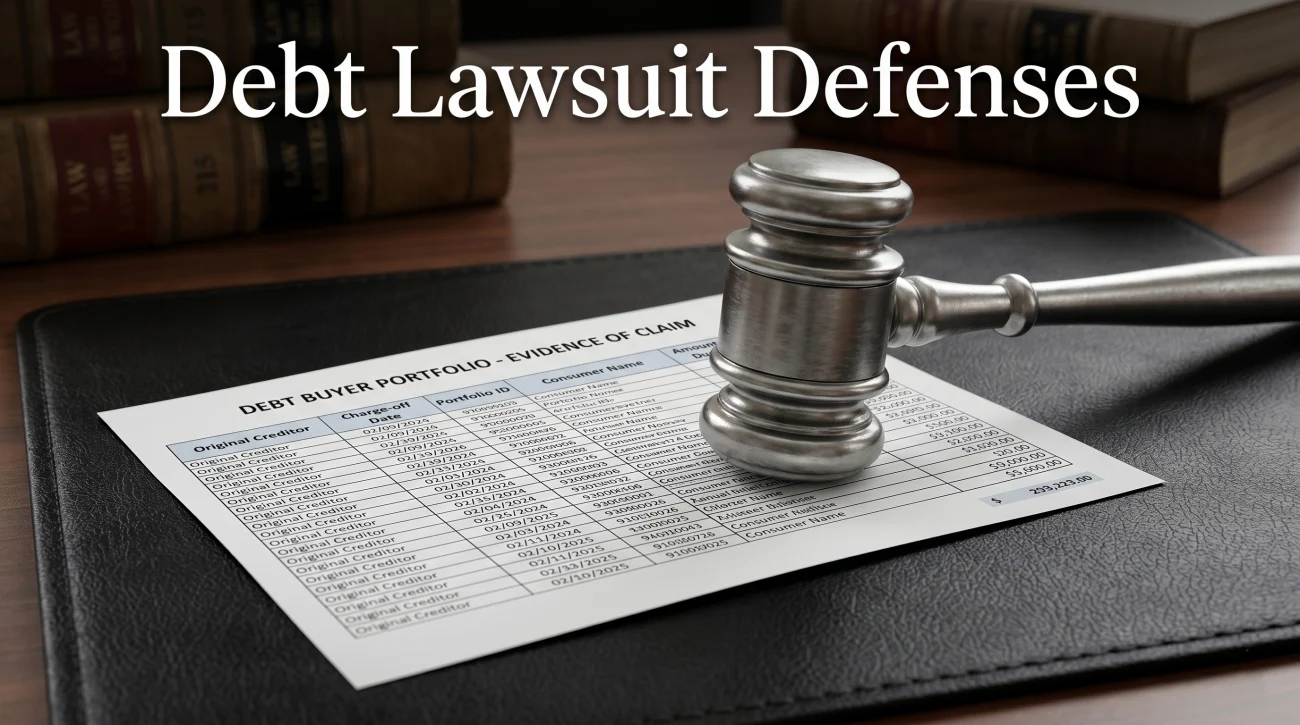
Your Answer is the legal document that formally addresses the collector’s claims and stops them from winning automatically. It does not need to be a complex legal brief. For every numbered paragraph in the collector’s Complaint, you have three valid response options: Admit, Deny, or state that you lack sufficient information to admit or deny. … Read more

Can Debt Collectors Call on Sundays? Yes, But Here is What Still Applies

Can Debt Collectors Call On Sunday

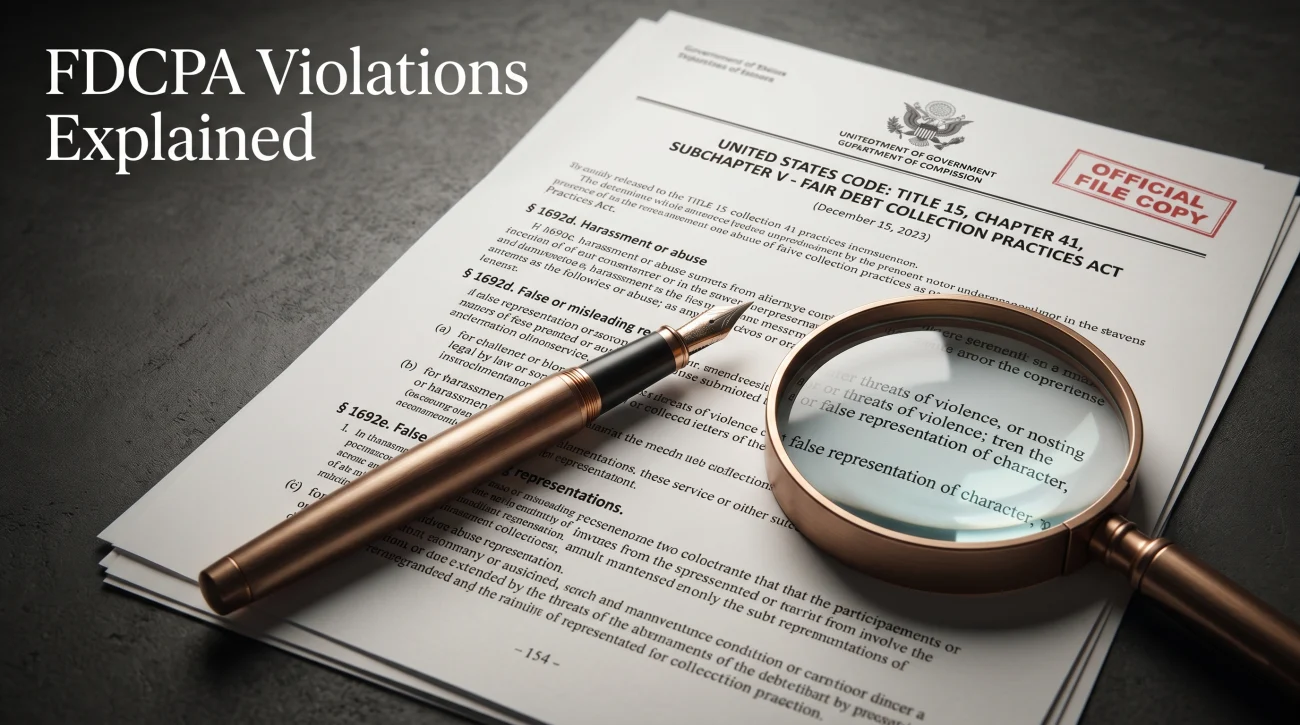
Debt collectors are legally allowed to call you on Sundays, Saturdays, and public holidays. While a single weekend call is legal, the Consumer Financial Protection Bureau notes that a pattern of concentrating calls on Sundays can be used as evidence of illegal harassment. Collection agencies staff weekend shifts specifically because they know consumers are more … Read more

How Does a Debt Management Plan Work: How Nonprofit Credit Counseling Actually Helps You Pay Off Debt

How Does A Debt Management Plan Work

A Debt Management Plan (DMP) is not a new loan and it does not settle your debt for less than you owe. You pay back 100 percent of the principal. The core benefit is a drastically reduced interest rate. Nonprofit agencies typically negotiate credit card rates from 20 to 30 percent down to 0 to … Read more

How Much of Your Wages Can Be Garnished? The 25% Rule and When It Doesn’t Apply

How Much Wages Can Be Garnished

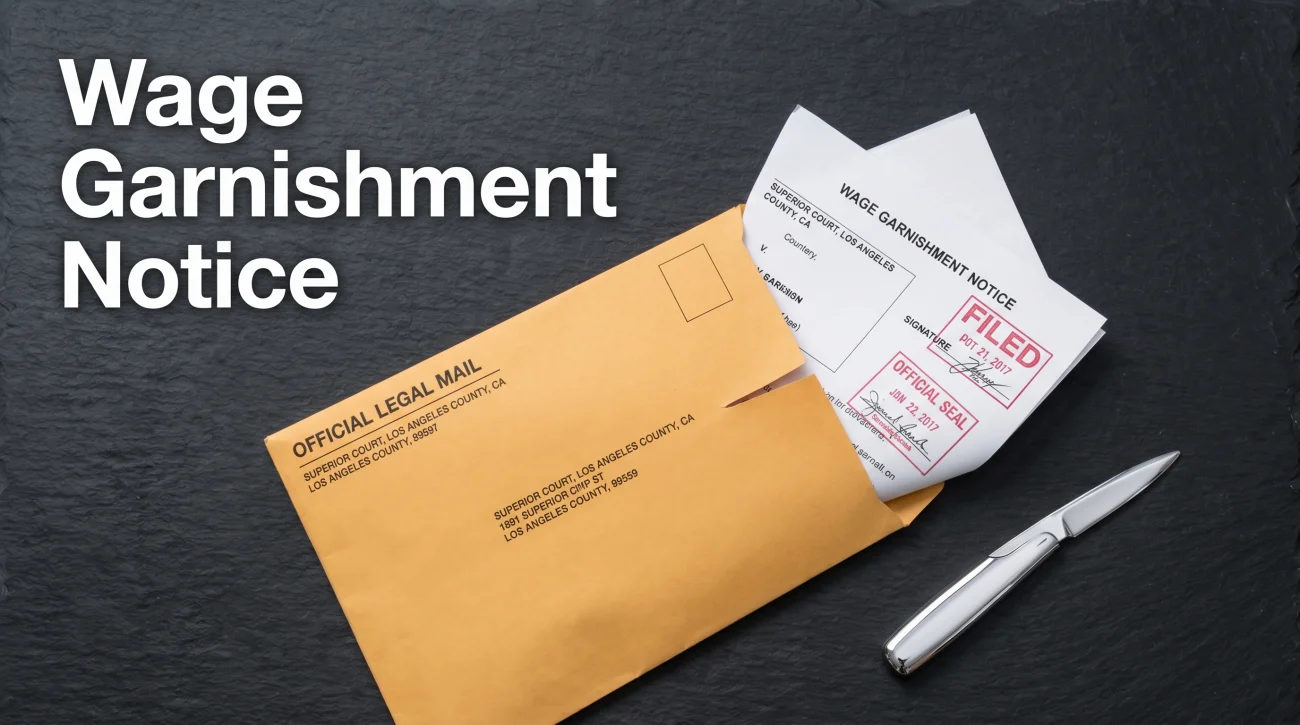
The amount garnished is not based on your final take-home pay. It is calculated using a specific legal definition called “disposable earnings,” which only excludes legally required tax deductions. Voluntary deductions like health insurance premiums and 401k contributions do not protect your wages. The court considers that money available for debt collection. For consumer debt, … Read more

What Is a Debt Collection Summons: The Two Documents You Received and What Each One Requires

What Is A Debt Collection Summons

The court papers you received are actually two separate documents stapled together: the Summons and the Complaint. The Summons is the court’s procedural notice. It dictates the exact deadline you have to respond. You must look here to find out how much time you have. The Complaint is the collector’s list of allegations. In cases … Read more

Debt Collectors Calling Your Family: What They’re Allowed to Say (And What They’re Not)

Can Debt Collectors Call Your Family

Debt collectors are legally allowed to contact your family members exactly one time, and strictly for the purpose of acquiring your location or contact information. They are strictly prohibited from identifying themselves as debt collectors or mentioning that you owe a debt to anyone other than you or your spouse. While the legal justification is … Read more

Debt Settlement vs Credit Counseling: Two Very Different Programs for Two Very Different Situations

Debt Settlement Vs Credit Counseling

Debt settlement and credit counseling are not interchangeable; they are designed for two entirely different levels of financial hardship. Credit counseling (Debt Management Plans) requires you to pay the full principal balance, but at a significantly reduced interest rate negotiated by a nonprofit agency. Debt settlement involves stopping your payments entirely so a for-profit company … Read more

Types of Wage Garnishment: Why the Debt Type Changes Everything About Your Options

Types Of Wage Garnishment

The type of debt you owe is the single most important factor in a wage garnishment, dictating how much warning you get and what percentage of your check is taken. Private creditors must sue you and win a court judgment before they can touch your paycheck, but government agencies can garnish your wages administratively without … Read more

Debt Collection Lawsuit Deadline: How to Find Your Exact Response Date Before You Miss It

Debt Collection Lawsuit Deadline

The exact number of days you have to respond is almost always printed directly on the summons document, not the complaint. Generic state tables found online are dangerous because your deadline changes based on your specific court type and how the papers were delivered. The clock starts ticking on the day you were officially served, … Read more

Debt Collectors Calling Your Work: What They’re Allowed to Say (And What You Can Do About It)

Can Debt Collectors Call Your Work

A debt collector is legally permitted to call your workplace under federal law, but they must follow extremely strict rules regarding what they can say. Their primary goal in calling your job is rarely just to find you. It is a calculated tactic designed to use social pressure and the fear of your employer finding … Read more

How to Choose a Debt Settlement Company: What NDR, FDR, and ADR Actually Offer and the Red Flags to Avoid

How To Choose A Debt Settlement Company

Federal law prohibits legitimate debt relief organizations from charging fees before they actually secure a settlement. Your monthly deposits must go into a dedicated, FDIC-insured account that you control entirely. Industry accreditation from the ACDR or IAPDA is a non-negotiable filter when evaluating your options. Choosing between major firms like National Debt Relief or Freedom … Read more

How Wage Garnishment Works: From Judgment to Paycheck Deduction

How Wage Garnishment Works

Wage garnishment is not a single event; it is a rigid legal process that starts long before the money leaves your paycheck. For consumer debts, a collector must win a lawsuit first. For government debts, they bypass the courts entirely. Your employer receives the legal order before you do. They have no legal choice but … Read more

How to Respond to a Debt Collection Lawsuit: The Answer and What It Actually Accomplishes

How To Respond To A Debt Collection Lawsuit

The Answer is the official legal document you file to contest a debt collection lawsuit and prevent an automatic loss. Filing an Answer forces the debt collector to prove they own the debt and the amount is accurate, which many debt buyers struggle to do. You must find the deadline on your summons, as you … Read more

Debt Collector Contact Rules: When, How, and Who They’re Actually Allowed to Reach

Debt Collector Contact Rules

Debt collectors are bound by strict federal rules under the FDCPA regarding when, where, and how often they can contact you. Every contact channel they use, from calling your workplace to texting your phone, is designed with a specific psychological goal in mind. You have the legal right to dictate how they communicate with you, … Read more

I Found Your Mother’s Phone Number Before I Finished My Coffee. Here Is What That Call Was Actually For.

Debt Collector Called My Family

Debt collectors can often find your relatives’ phone numbers in a matter of minutes using basic database searches. When a collector calls your family, the official reason is to verify your location, but the unspoken goal is to create social pressure. Under federal law, a debt collector cannot legally tell your parents or relatives that … Read more

What the Debt Collection Data Doesn’t Show: Six Things Every CFPB Report Leaves Out

What Debt Collection Industry Hides

The CFPB received approximately 207,800 debt collection complaints in 2024, but this number only captures what consumers actually know is wrong and take the time to report. The most consequential collection techniques, like manipulating a consumer into a statute of limitations reset, are completely invisible in regulatory complaint data. Compliance enforcement varies wildly across the … Read more